How to Excel in B2B Content Distribution for Digital Success
The digital age has transformed how businesses approach marketing, especially in the B2B sector. Effective content distribution is now a cornerstone of...

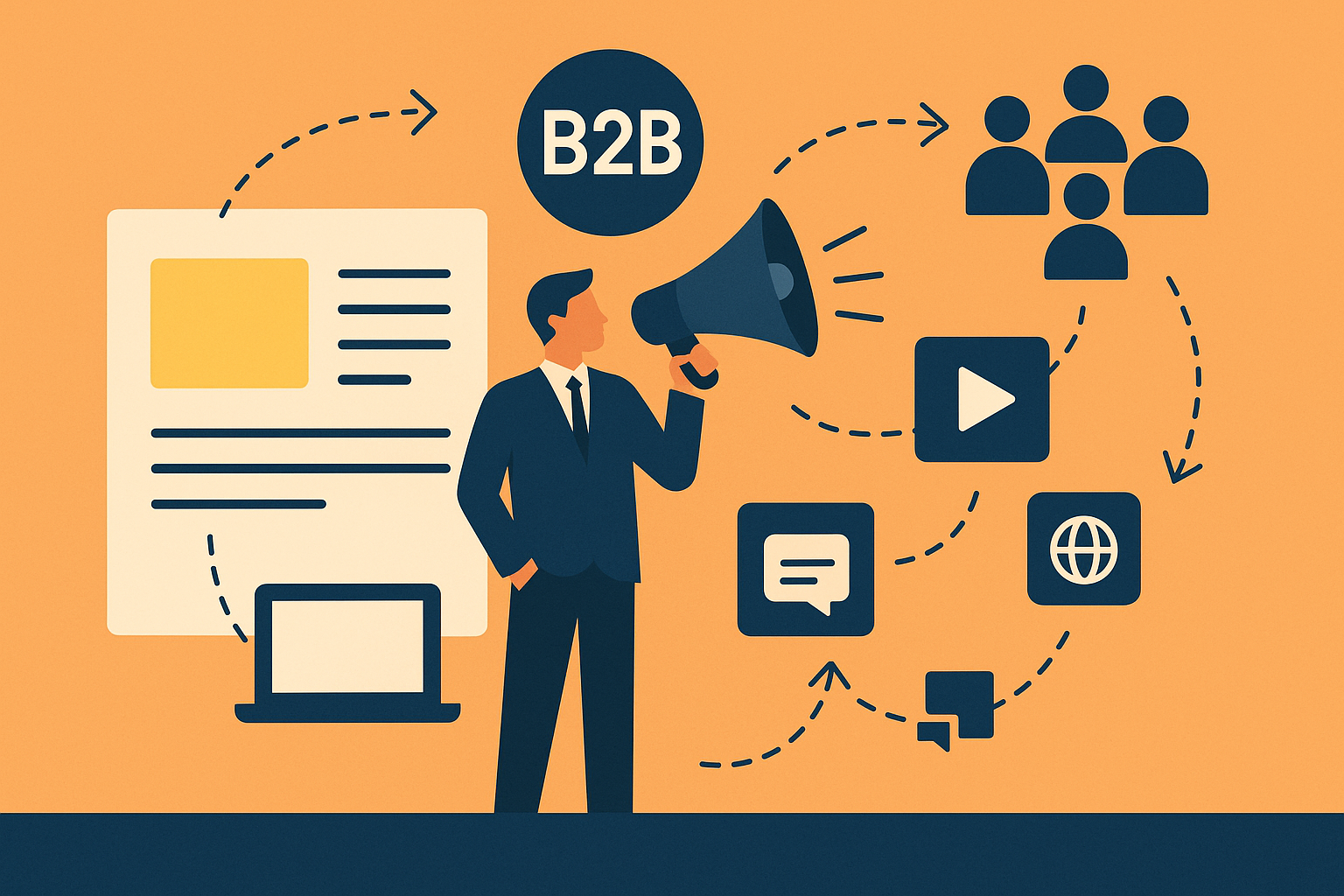
Discover effective strategies for B2B content distribution in the digital era. Learn how to maximize reach and engagement through various channels, optimize content for different platforms, and measure success to refine your approach.
📑 Table of Contents
- Understanding the B2B Content Distribution Landscape
- Strategic Planning for Content Distribution
- Selecting the Right Channels for Your Content
- Integrating SEO with Content Distribution
- Leveraging Automation and Analytics
- Creating Engaging and Valuable Content
- Building Relationships Through Content
Understanding the B2B Content Distribution Landscape
The digital age has transformed how businesses approach marketing, especially in the B2B sector. Effective content distribution is now a cornerstone of successful marketing strategies, leveraging various digital channels to enhance visibility and engagement. Understanding the landscape involves recognizing the channels available and the nature of your target audience. B2B content distribution is unique because it often targets decision-makers who require detailed, insightful, and practical content.
Strategic Planning for Content Distribution
Before diving into content distribution, a strategic plan is essential. This plan should align with your business goals and target audience needs. Start by defining clear objectives, such as generating leads, building brand awareness, or establishing thought leadership. From these goals, develop a content calendar that maps out what to distribute, when, and on which platforms. This strategic approach ensures that content reaches the right audience at the right time with the right message.
Selecting the Right Channels for Your Content
Choosing appropriate channels is crucial for effective B2B content distribution. The primary channels include:
- Email Marketing: Direct and personalized, email marketing allows for segmented content delivery to specific groups within your audience based on their preferences and behaviors.
- Social Media Platforms: LinkedIn, particularly, is invaluable for B2B marketing, providing a professional network where you can share industry-related content, join discussions, and connect with other businesses.
- Content Syndication Networks: These platforms distribute your content on other sites with larger or different audiences to increase reach and authority.
- Company Blog: A central hub for your content that improves SEO, engages readers, and drives traffic back to your main website.
Each channel has its strengths and should be chosen based on where your audience spends their time and the type of content you are distributing.
Integrating SEO with Content Distribution
Search Engine Optimization (SEO) is integral to ensuring your content is discoverable. Integrating SEO involves researching keywords that are relevant to your content and audience. Include these keywords strategically in your content, titles, descriptions, and tags. Additionally, optimizing your content for search includes ensuring website speed, mobile-friendliness, and using structured data where appropriate to enhance visibility in search engine results.
Leveraging Automation and Analytics
Automation tools streamline the distribution process, ensuring timely posting and consistency across channels. Tools like Hootsuite or Buffer can schedule posts across different social media platforms. Additionally, leveraging analytics is crucial to understanding the effectiveness of your content distribution strategies. Analytics provide insights into engagement rates, click-through rates, conversion rates, and overall performance of your content across different platforms. This data allows you to tweak your strategy and make informed decisions to enhance your content's impact.
Creating Engaging and Valuable Content
The core of your distribution strategy should focus on creating content that is both engaging and provides value to your target audience. This includes:
- Addressing Pain Points: Your content should solve problems or answer questions that are relevant to your audience.
- Educational Content: Especially in B2B, informational content that educates your audience about industry trends, skills, or services can position your brand as a thought leader.
- Case Studies and Whitepapers: These are crucial in B2B environments to showcase expertise and results.
- Interactive Content: Tools like quizzes, calculators, or interactive infographics can increase engagement and provide personalized value to users.
Furthermore, ensuring that your content is accessible and inclusive can broaden its reach and impact, catering to a diverse audience.
Building Relationships Through Content
Content distribution in the B2B sector is not only about reaching an audience but also about building relationships. Engage with your audience through regular updates, responding to comments, and participating in industry discussions. Hosting webinars and online workshops can also facilitate direct engagement, providing real-time interaction with your brand. These efforts humanize your brand, foster trust, and encourage loyalty among your customers.
In conclusion, B2B content distribution in the digital age requires a well-rounded approach that incorporates strategic planning, channel optimization, SEO integration, use of automation and analytics, creation of high-quality content, and relationship building. By focusing on these core areas, businesses can ensure their content not only reaches their target audience but also resonates and drives meaningful engagement.
Frequently Asked Questions
What are the key principles of effective B2B content distribution?
Effective B2B content distribution is rooted in understanding your audience, selecting the right channels, and consistently measuring performance. Key principles include targeting the appropriate audience segments, leveraging a mix of distribution channels (such as email, social media, and professional networks), and using analytics to track engagement and optimize strategies. Tailoring content to fit the specific needs and preferences of your audience, while maintaining a clear and consistent brand voice, also plays a crucial role.
How can you measure the success of your B2B content distribution efforts?
Measuring the success of B2B content distribution involves tracking various metrics such as reach, engagement, lead generation, and conversion rates. Key performance indicators (KPIs) might include website traffic, the number of downloads, social media shares, and the quality of leads generated. Using tools like web analytics, social media analytics, and CRM systems can help gather this data. Regularly reviewing these metrics allows businesses to understand the effectiveness of their content strategy and make informed adjustments.
What role does audience segmentation play in B2B content distribution?
Audience segmentation is critical in B2B content distribution because it ensures the delivery of relevant and personalized content to different segments of your target market. By understanding and categorizing the audience based on factors like industry, job role, and pain points, businesses can tailor their messages to meet the specific needs and interests of each group. This targeted approach not only increases the effectiveness of content distribution but also enhances engagement and conversion rates.
What are the most effective channels for B2B content distribution?
The most effective channels for B2B content distribution can vary based on your specific audience and industry. Generally, channels like LinkedIn, industry-specific forums, email newsletters, and company blogs are highly effective for B2B contexts. Choosing the right mix of channels depends on where your target audience spends their time and how they prefer to consume content. It's also important to consider integrating paid advertising to amplify reach and engagement on these platforms.
Sources and References
- 2021 B2B Content Marketing Benchmarks, Budgets, and Trends: Insights for Strategic Planning - This report from the Content Marketing Institute provides comprehensive benchmarks and trends in B2B content marketing, which supports the section of the article on strategic planning for content distribution. It offers data-driven insights into how B2B marketers tailor their content strategies and distribution tactics to effectively reach their target audience.
- What B2B Sales Teams Need to Understand About Buying Processes - This Harvard Business Review article explores the complexities of B2B buying processes, offering insights that are crucial for understanding the B2B content distribution landscape. It discusses how content can be tailored to influence B2B buyers at various stages of their purchasing journey, thus underlining the importance of selecting the right channels for content distribution.
- The Forrester Wave™: B2B Marketing Automation Platforms, Q4 2020 - This Forrester report evaluates the top B2B marketing automation platforms, providing valuable information for the section on leveraging automation in content distribution. It highlights how these platforms can enhance the efficiency and effectiveness of content distribution strategies in the digital age.
- Integrating SEO and Content Strategy - This academic paper from arXiv provides an in-depth analysis of the integration of SEO with content strategies, supporting the article's discussion on the same topic. It presents methodologies and case studies demonstrating how SEO can amplify the reach and impact of B2B content.
- Machine Learning in Automated Text Categorization - Published by Google Research, this paper discusses the application of machine learning in text categorization, which is relevant to the article's section on leveraging analytics for content distribution. It explains how machine learning can be used to analyze content performance and optimize distribution strategies for better engagement.
- The Digital-Led Recovery from COVID-19: Five Questions for CEOs - This McKinsey article provides insights into how digital strategies, including content distribution, are integral to business recovery and growth, particularly relevant to the article's discussion on the digital age's impact on B2B content distribution. It offers strategic advice on how businesses can adapt their content distribution to meet evolving market conditions and consumer expectations.