Maximize Your Reach: Smart B2B Content Distribution Strategies
Understanding the B2B Content Distribution Landscape Content distribution in a B2B context involves a strategic approach to delivering your content to the...

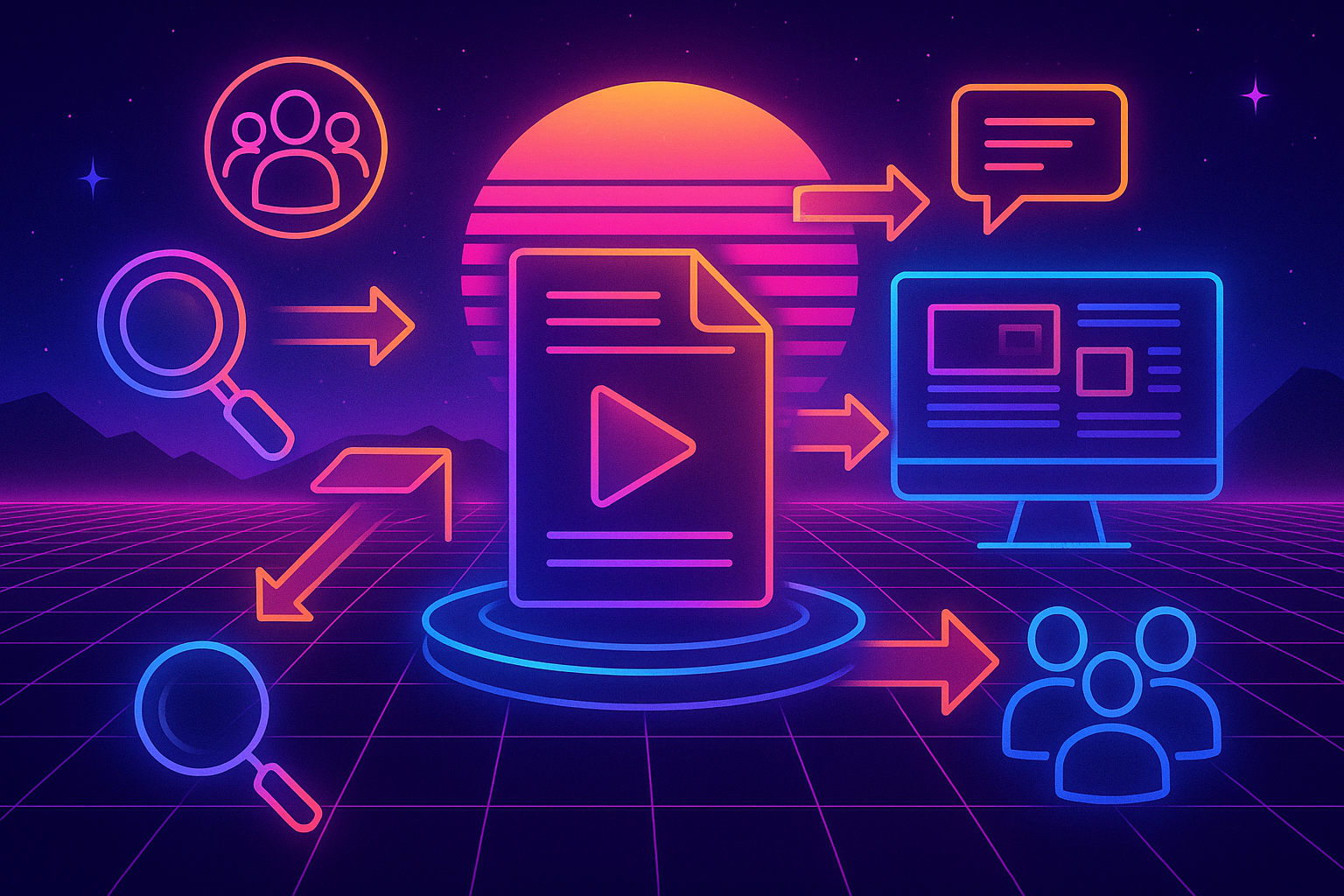
Discover proven strategies for maximizing your B2B content distribution across various channels. Learn how to tailor content, leverage partnerships, and measure impact to effectively reach and engage your target audience.
📑 Table of Contents
- Understanding the B2BContentDistribution Landscape
- Creating a Targeted Distribution Strategy
- Identify Your Target Audience
- Choose the Right Channels
- ContentOptimizationfor Each Channel
- LeveragingAutomationand Personalization
- Integrating SEO and Content Distribution
- Measuring Success and Adjusting Strategies
- Key Takeaways for B2B Content Distribution
Understanding the B2B Content Distribution Landscape
Content distribution in a B2B context involves a strategic approach to delivering your content to the right audience through the most effective channels. The landscape of B2B content distribution is complex, as it entails understanding both your audience's needs and the various platforms that can be used to reach them. For a successful B2B content distribution strategy, it's crucial to recognize that different content types and messages resonate through different channels, whether it be social media, email, blogs, or third-party publications.
Creating a Targeted Distribution Strategy
Identify Your Target Audience
Before deploying any content, identifying and understanding your target audience is paramount. This involves not just knowing who your potential customers are, but also understanding their content consumption habits. This information can be gathered through market research, customer interviews, and analysis of engagement metrics on existing content.
Choose the Right Channels
Selecting the right channels is about matching your content type with the platforms frequented by your audience. For B2B, LinkedIn often proves effective for professional and industry-related content, while a platform like Twitter might be better for quick updates and direct engagement with thoughts leaders and influencers.
Content Optimization for Each Channel
To maximize the impact of content across different channels, customization is key. This means adapting the tone, format, and delivery of your content to meet the expectations and norms of each platform. - Email Campaigns: Personalize communication and use segmentation to ensure that the content is relevant to each recipient. Subject lines should be compelling and the content within should provide direct value, encouraging further interaction with detailed reports or white papers. - Social Media: Different platforms cater to different content formats. LinkedIn favors in-depth articles and company news, while Instagram or Pinterest might be more suitable for infographics and visual content. - Webinars and Podcasts: These platforms offer a way to engage deeply with a topic and provide valuable insights through guest speakers or discussions. They are excellent for establishing thought leadership within an industry.
Leveraging Automation and Personalization
Automation tools can enhance the efficiency and effectiveness of content distribution. These tools can schedule posts at optimal times, repost evergreen content, and provide analytics to track performance. Moreover, personalization engines can help tailor the content to meet individual user preferences and behaviors, increasing relevance and engagement. - Segmentation: Use CRM data to segment your audience and tailor content according to the needs and past interactions of each segment. - Dynamic Content: Implement tools that adapt the content displayed on a webpage or in an email based on who is viewing it.
Integrating SEO and Content Distribution
SEO should be a foundational element of your B2B content distribution strategy. By ensuring that your content is optimized for search engines, you increase the organic visibility of your content, making it easier for your target audience to find it through search queries relevant to their needs. - Keyword Research: Perform keyword research to understand what your target audience is searching for and integrate these keywords into your content. - Backlink Strategy: Develop relationships with other businesses and blogs to get your content linked back, which enhances your domain authority and search rankings.
Measuring Success and Adjusting Strategies
To ensure the effectiveness of your content distribution strategies, continuous monitoring and adjustment based on performance metrics are necessary. - Analytics: Utilize tools to track engagement, click-through rates, conversion rates, and overall traffic. This data will provide insights into what types of content and which channels are performing best. - Feedback Loops: Implement mechanisms to gather feedback directly from your audience, such as surveys or direct communications, to understand how they perceive your content and what they want more of.
Key Takeaways for B2B Content Distribution
Effective B2B content distribution requires a deep understanding of your audience, a strategic selection of distribution channels, and the ability to optimize and personalize content for maximum engagement. Automation and SEO are powerful tools that, when used correctly, can significantly enhance the reach and impact of your content. Finally, continuous measurement and adaptation of your strategies based on real-world data and feedback will help maintain the relevance and effectiveness of your content distribution efforts, ensuring sustained success in your B2B marketing endeavors.
Frequently Asked Questions
What are the key factors to consider when choosing channels for B2B content distribution?
When selecting channels for B2B content distribution, consider your target audience's preferences, the nature of the content, and the specific goals of your campaign. It's essential to understand where your audience spends most of their time and how they consume information. Analyzing the engagement levels across different platforms and evaluating the alignment with your content type (e.g., text, video, infographics) will also help in making effective channel choices. Additionally, consider the integration capabilities of each channel to ensure a cohesive and seamless distribution strategy.
How can understanding the audience improve B2B content distribution?
Understanding the audience is crucial in tailoring the content to meet their needs, preferences, and challenges. By gaining insights into their industry role, pain points, and information consumption behaviors, businesses can create more targeted and relevant content that resonates with the audience. This relevance boosts engagement, enhances retention, and increases the likelihood of conversion. Furthermore, audience insights help in optimizing the content for the channels where the audience is most active, thus improving the overall effectiveness of the distribution strategy.
What are some effective strategies for multi-channel B2B content distribution?
Effective multi-channel B2B content distribution strategies include creating adaptable content that can be easily customized for different channels, utilizing automation tools to schedule and manage postings, and monitoring performance metrics to adjust strategies as needed. It's also beneficial to leverage cross-promotion techniques, ensuring that content shared on one channel drives traffic to other platforms. Engaging directly with the audience through comments and messages can further enhance the impact of distributed content. Lastly, continuously analyzing the outcomes from various channels will help refine the approach and optimize resource allocation.
Sources and References
- The Ultimate Guide to Content Distribution Strategies - This source from the Content Marketing Institute provides a comprehensive guide on various content distribution strategies, which supports the article's section on creating a targeted distribution strategy. It offers insights into how to effectively reach a B2B audience through tailored content distribution techniques.
- The Forrester Wave: B2B Marketing Automation Platforms, Q4 2020 - Forrester's report offers detailed analysis and evaluations of B2B marketing automation platforms, which are crucial for optimizing content distribution across different channels. This supports the article's discussion on using the right tools and platforms for effective content distribution.
- What B2B Sales Teams Need from Content Marketing - This Harvard Business Review article explores the specific needs of B2B sales teams from content marketing, aligning with the article's focus on understanding the target audience and optimizing content to meet their needs. It provides a strategic perspective on how content should be tailored for B2B interactions.
- Artificial Intelligence and Content Marketing - This research paper from arXiv provides insights into the application of artificial intelligence in content marketing, supporting the article's discussion on content optimization for each channel using AI technologies. It offers a deep dive into how AI can enhance content personalization and distribution efficiency.
- Google Webmaster Guidelines - Google's official documentation provides guidelines on how to make a website SEO-friendly, supporting the article's section on SEO optimization in content distribution. This source is essential for understanding how SEO practices can enhance the visibility and effectiveness of B2B content across digital channels.
- The B2B digital inflection point: How sales have changed during COVID-19 - McKinsey & Company's report discusses the shift in B2B sales and marketing strategies due to the COVID-19 pandemic, relevant to the article's exploration of adapting content distribution strategies in changing business environments. It provides data and analysis on how digital channels have become more pivotal in B2B marketing.