How to Create a Seamless Omnichannel Experience for B2B Customers
Omnichannel strategies in the business-to-business (B2B) sector are crucial for creating seamless and cohesive customer experiences across various touchpoints....

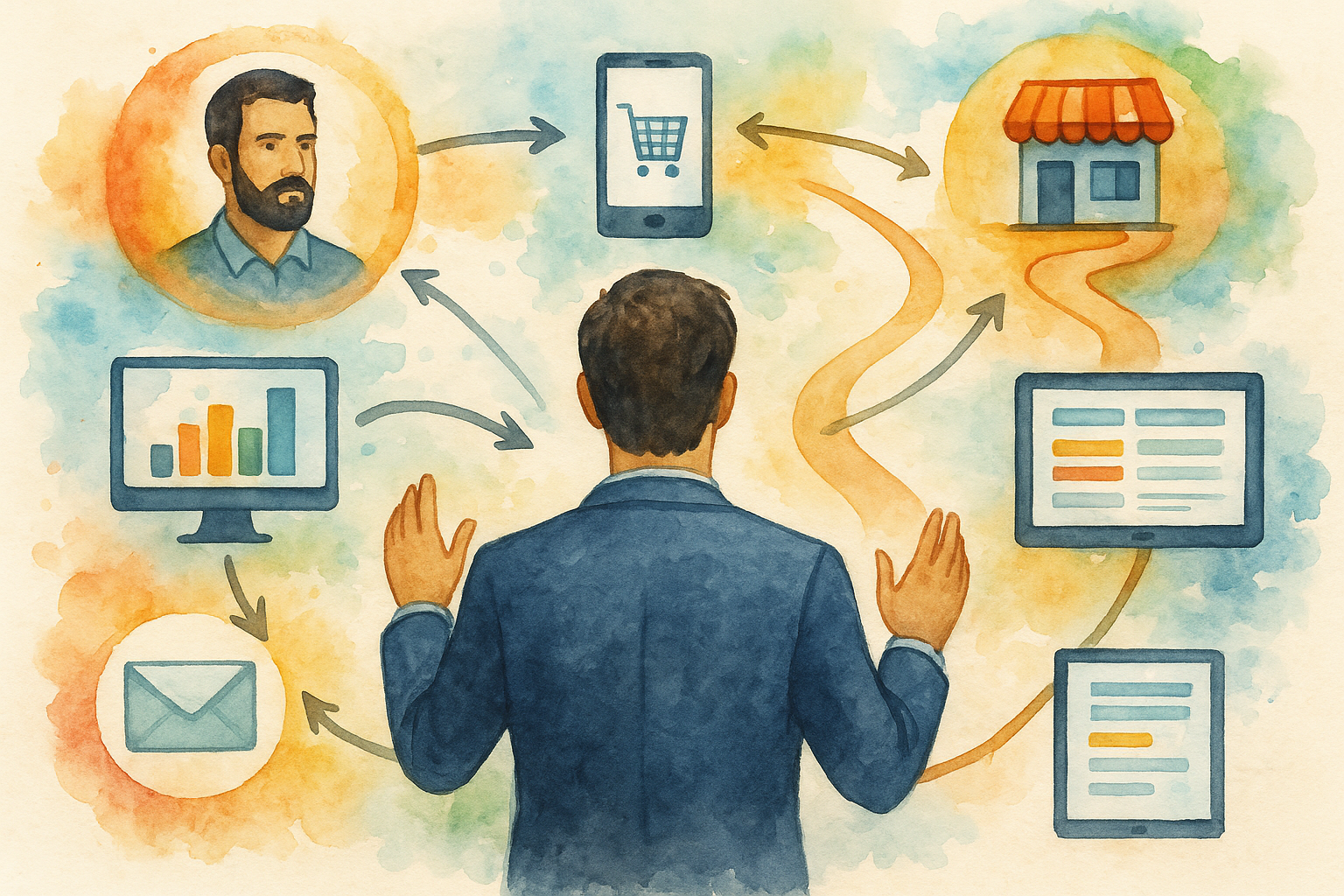
Discover how to enhance B2B customer engagement through an omnichannel strategy. Learn key tactics for seamless integration across platforms, ensuring consistent communication and a personalized experience that boosts loyalty and satisfaction.
📑 Table of Contents
- Understanding the Importance of Omnichannel Strategies in B2B Environments
- Mapping the B2B Customer Journey
- Integrating Technology for a Unified Customer Experience
- Leveraging Data to Enhance Customer Interactions
- Personalizing B2B Interactions Across Channels
- Training Teams to Deliver Consistent Customer Experiences
- Measuring Success and Optimizing Strategies
Understanding the Importance of Omnichannel Strategies in B2B Environments
Omnichannel strategies in the business-to-business (B2B) sector are crucial for creating seamless and cohesive customer experiences across various touchpoints. Unlike traditional models that operate in silos, an omnichannel approach integrates sales, marketing, and customer service, ensuring that the customer journey is consistent and efficient, regardless of the channel or platform.
Data shows that B2B companies with strong omnichannel engagement retain, on average, more than 89% of their customers compared to companies with weak omnichannel strategies. This emphasizes not only the relevance of omnichannel strategies but also their critical role in customer retention and satisfaction.
Mapping the B2B Customer Journey
Understanding the customer journey is the first step towards building an effective omnichannel strategy. B2B buying processes are often complex, involving multiple decision-makers and longer sales cycles. Mapping out each stage of this journey—from awareness and consideration to decision-making and post-purchase support—helps in identifying key touchpoints where omnichannel strategies can be implemented.
Actionable steps include conducting customer interviews, leveraging analytics to track interactions, and identifying pain points that can be addressed through better channel integration.
Integrating Technology for a Unified Customer Experience
Technology plays a pivotal role in enabling an omnichannel experience. Central to this is the integration of Customer Relationship Management (CRM) systems, Enterprise Resource Planning (ERP) software, and marketing automation tools. These systems must work in unison to provide a real-time, holistic view of customer interactions across all channels.
For instance, when a customer contacts customer service, the representative should have immediate access to the customer’s complete history, including past purchases, previous communications, and potential future needs. This level of integration is crucial for providing personalized and informed service, which is expected in the current B2B landscape.
Leveraging Data to Enhance Customer Interactions
Data is the cornerstone of any successful omnichannel strategy. By analyzing data collected from various channels, businesses can gain insights into customer behavior, preferences, and trends. These insights can then be used to optimize the customer journey and ensure that interactions are relevant and personalized.
Practical steps include setting up data analytics platforms to consolidate and analyze customer data, conducting A/B testing across different channels to determine what works best, and using predictive analytics to anticipate future customer behaviors and needs.
Personalizing B2B Interactions Across Channels
Personalization is not just a B2C affair; it’s equally important in B2B transactions. Customers expect interactions that are tailored to their specific business needs and contexts. This can be achieved by utilizing the data insights gathered to create personalized marketing messages, customized product recommendations, and tailored customer service interactions.
For example, if data shows that a particular client frequently orders certain products, automatic reminders about stock levels or new updates related to these products can be sent across different channels, ensuring the client is always informed and engaged.
Training Teams to Deliver Consistent Customer Experiences
Human resources are as important as technological ones in delivering an effective omnichannel experience. Employees across sales, marketing, and customer support need to be trained to think and operate with an omnichannel mindset.
Training programs should focus on teaching staff how to use the integrated technology platforms effectively, understanding the full spectrum of the customer journey, and delivering consistent messaging and service across all channels. Role-playing and regular training updates can help in keeping the teams well-prepared and agile in handling various customer interactions.
Measuring Success and Optimizing Strategies
Finally, it is crucial to continuously measure the effectiveness of omnichannel strategies and make necessary adjustments. Key performance indicators (KPIs) such as customer retention rates, customer satisfaction scores, and overall sales growth provide valuable feedback on the success of omnichannel initiatives.
Regular reviews of these KPIs, coupled with feedback from customers and team members, will help in fine-tuning strategies and rectifying any gaps in the omnichannel experience. Advanced tools like customer journey analytics and sentiment analysis can also provide deeper insights into the effectiveness of different touchpoints.
In conclusion, creating an effective omnichannel experience in the B2B sector involves understanding the customer journey, integrating technology, leveraging data for personalization, training teams, and continuously measuring and optimizing the strategy. This holistic approach not only enhances customer satisfaction and retention but also drives overall business growth. By keeping the customer’s needs and experiences at the forefront, businesses can navigate the complexities of B2B transactions and thrive in an increasingly competitive environment.
Frequently Asked Questions
What is an omnichannel experience in a B2B context?
An omnichannel experience in a B2B context refers to a seamless and consistent interaction across multiple channels and platforms that a business uses to engage with its customers. This approach integrates various methods of communication and sales, such as online, offline, mobile, and direct interactions, to provide a unified customer experience. The goal is to make the business interactions convenient, efficient, and cohesive, regardless of the channel or platform the customer chooses to use.
How can data enhance the omnichannel experience for B2B customers?
Data plays a crucial role in enhancing the omnichannel experience by allowing businesses to understand customer behaviors, preferences, and needs across different channels. By collecting and analyzing data from each touchpoint, companies can create a more personalized and targeted approach. This data-driven strategy enables businesses to deliver relevant content, anticipate customer needs, optimize interactions, and ensure consistency throughout the customer journey, which can lead to improved customer satisfaction and loyalty.
What are some effective strategies for creating a successful omnichannel experience?
Effective strategies for creating a successful omnichannel experience include integrating technology solutions that facilitate communication across channels, maintaining a consistent brand message and visual identity, and training staff to deliver uniform service. Additionally, leveraging customer data to tailor interactions and predict future behaviors can significantly enhance the experience. Regularly reviewing and optimizing each channel based on performance and feedback is also crucial to ensure the strategy remains effective and responsive to customer needs.
How can businesses track and measure the success of their omnichannel strategies?
Businesses can track and measure the success of their omnichannel strategies by using key performance indicators (KPIs) such as customer satisfaction scores, customer retention rates, and the Net Promoter Score (NPS). Additionally, analyzing data from sales, customer feedback, and digital analytics can provide insights into how effectively different channels are contributing to the overall customer journey. Regular assessment and refinement based on these metrics help businesses adjust their strategies to better meet customer expectations and drive business growth.
Sources and References
- The State Of Omnichannel In B2B Sales - Forrester Research - This report from Forrester provides an in-depth analysis of current omnichannel strategies in B2B environments, supporting the article's discussion on the importance and implementation of these strategies. It offers data and case studies that illustrate how integrating multiple channels enhances customer interactions.
- The B2B Elements of Value - Harvard Business Review - This article discusses key elements that add value to B2B customer interactions, aligning with the article's focus on personalizing interactions across channels. It provides a framework for understanding what B2B customers value most, which is crucial for effective omnichannel strategies.
- Designing the Perfect Journey for B2B Customers - McKinsey & Company - McKinsey's insights on mapping the B2B customer journey align perfectly with the article's section on this topic. The source offers strategies and examples on how to map these journeys effectively, emphasizing the role of digital integration.
- Integrating AI and Machine Learning in B2B Customer Experience - arXiv - This academic paper discusses the integration of AI and machine learning technologies in enhancing B2B customer experiences, directly supporting the article's section on leveraging technology for a unified customer experience. It provides technical insights and potential applications in omnichannel strategies.
- Guide to Customer Journey Mapping - Salesforce - Salesforce offers a comprehensive guide on customer journey mapping, which is crucial for understanding and implementing effective omnichannel strategies in B2B settings. This resource is practical for businesses looking to enhance their customer interactions through detailed journey mapping.
- How to Use Data to Drive Your Content Strategy - Content Marketing Institute - This article provides insights on how to leverage data to enhance content strategies across various channels, which is essential for personalizing B2B interactions as discussed in the article. It offers practical tips on data utilization for improving engagement and customer satisfaction.