Boost Your B2B Sales with Effective Customer Advocacy Strategies
Customer advocacy involves transforming satisfied clients into active promoters of your business. In B2B sectors, where sales cycles can be lengthy and...

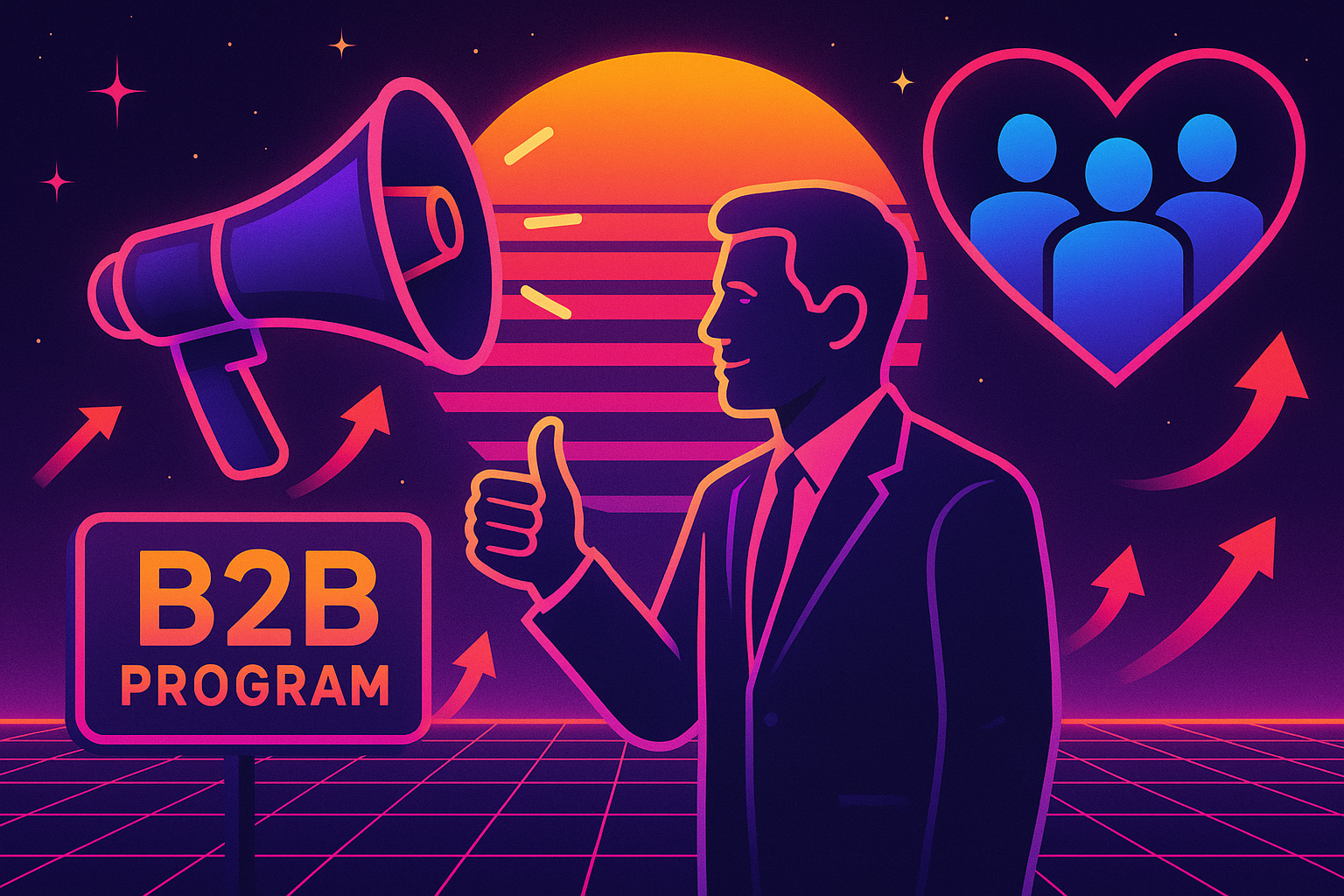
Discover how to craft a B2B marketing strategy centered on customer advocacy. Learn to leverage client success stories, engage with key influencers, and harness feedback to build trust and drive sales. Unlock the power of brand champions in your market.
📑 Table of Contents
- Understanding Customer Advocacy in B2BMarketing
- Identifying Potential Customer Advocates
- Engaging Through Personalized Communication
- Creating a Formal Customer Advocacy Program
- Developing Advocacy Pathways
- Leveraging Technology to Support Advocacy
- Integrating with Marketing Channels
- Training and Supporting Your Advocates
- Recognizing and Rewarding Advocates
- Maintaining Long-Term Engagement
- Creating a Feedback Loop
- Measuring the Success of Your Advocacy Program
- Adjusting Strategies Based on Analytics
Understanding Customer Advocacy in B2B Marketing
Customer advocacy involves transforming satisfied clients into active promoters of your business. In B2B sectors, where sales cycles can be lengthy and decisions highly consultative, leveraging customer advocacy can dramatically influence trust and purchasing decisions. The strategy hinges on cultivating deep, authentic relationships with your existing customers, encouraging them to share positive experiences and endorse your products or services organically.
Identifying Potential Customer Advocates
The first step in building a robust customer advocacy program is identifying which customers could serve as advocates. Look for clients who have seen significant success with your product or service, are engaged and satisfied, or frequently share feedback. Tools such as Net Promoter Score (NPS) surveys help measure customer satisfaction and potential advocacy by asking how likely customers are to recommend your business to others.
Engaging Through Personalized Communication
Once potential advocates are identified, personalize your communications. Acknowledge their specific use case and success with your product. Personalized emails, exclusive events, and direct phone calls are effective ways to deepen relationships. Learn more at huggingface.co AI research
Creating a Formal Customer Advocacy Program
Formalizing your approach allows you to manage and scale customer advocacy effectively. Define clear objectives for the program such as increasing brand awareness, generating leads, or enhancing customer retention. Structure the program to offer incentives for participation, which can range from exclusive access to products, features, or industry insights to more formal rewards such as discounts or promotional items.
Developing Advocacy Pathways
Create specific pathways or actions you want your advocates to take. These might include writing testimonials, participating in case studies, speaking at events, or engaging in online forums. Each pathway should align with both your strategic goals and the interests of your advocates.
Leveraging Technology to Support Advocacy
Utilize technology to facilitate and enhance your advocacy efforts. Customer relationship management (CRM) systems can help track interactions and engagement levels, while dedicated advocacy platforms like Influitive allow you to create a community where advocates can engage, share their stories, and participate in challenges.
Integrating with Marketing Channels
Ensure that your advocacy program is integrated with other marketing channels. Advocates should be able to easily share their stories on social media, through email newsletters, or even at live events. This integration helps amplify their voices and increases the reach of their advocacy.
Training and Supporting Your Advocates
Supporting your advocates is crucial to the success of your program. Offer training sessions or resources that help them understand your products better and equip them with the necessary tools to advocate effectively. Regular updates about product developments or company news can also help keep them engaged and informed.
Recognizing and Rewarding Advocates
Recognition is a powerful motivator. Regularly acknowledge the contributions of your advocates, possibly through public recognition, awards, or personal thank-you messages. Rewards can be tiered based on the level of advocacy, providing an incentive for deeper engagement.
Maintaining Long-Term Engagement
Customer advocacy isn't a one-time event but a long-term marketing strategy. Maintain engagement by continuously monitoring the health of relationships through regular check-ins and satisfaction surveys. Update your advocacy program based on feedback and changing market conditions to keep it fresh and relevant.
Creating a Feedback Loop
Implement a feedback loop where advocates can share their experiences and suggestions for improving your products or services. This not only helps in product development but also makes advocates feel valued and listened to, strengthening their loyalty and ongoing commitment.
Measuring the Success of Your Advocacy Program
To gauge the effectiveness of your customer advocacy program, track metrics such as engagement rates, the number of active advocates, the influence on lead generation, and ultimately, the impact on sales. Tools like analytics platforms can provide insights into how advocacy is directly affecting business outcomes.
Adjusting Strategies Based on Analytics
Use data-driven insights to refine your strategy continually. Analyze which aspects of the program are working well and which areas need adjustment. Regular assessment against your goals will help you optimize the program and ensure it continues to deliver value over time.
Implementing a B2B marketing strategy for customer advocacy is a powerful way to enhance brand reputation, build trust, and drive sales. By investing in relationships, acknowledging the contributions of your advocates, and continuously seeking feedback, you build a community of supporters who will actively promote your brand in the industry.
Frequently Asked Questions
What are the key elements of a B2B marketing strategy for customer advocacy?
The key elements of a successful B2B marketing strategy for customer advocacy include identifying potential advocates, engaging them through personalized communication, providing value through exclusive content or experiences, and measuring the impact of advocacy on your business goals. It's also crucial to maintain transparency and foster trust by keeping advocates informed about how their input is being used to shape products or services.
How can a business identify and recruit customer advocates?
Businesses can identify potential customer advocates by analyzing customer satisfaction metrics, looking for frequent users of their products or services, and monitoring social media for highly engaged customers. Recruitment can then be approached by directly reaching out to these customers, offering them a position in the advocacy program, and explaining the benefits and expectations associated with their participation.
What incentives can be effective in a customer advocacy program?
Effective incentives for a customer advocacy program can range from exclusive access to products, services, or information, to recognition in community forums or through company communications. Other incentives might include special discounts, free upgrades, or participation in advisory boards. The key is to align incentives with the interests and values of your advocates, ensuring they feel genuinely appreciated and valued.
How should the success of a customer advocacy program be measured?
The success of a customer advocacy program should be measured by both qualitative and quantitative metrics. Quantitative measures might include an increase in referral rates, upsell rates, or overall customer lifetime value. Qualitative feedback can be gathered through surveys or interviews, assessing advocate satisfaction and the perceived value of the program. Regular assessment helps ensure the program remains aligned with broader business goals.
Sources and References
- The B2B Customer Advocacy Journey - Forrester - This report from Forrester explores the stages of developing customer advocacy in B2B environments, providing a foundational understanding and strategic insights that align with the discussion on identifying and nurturing potential customer advocates.
- Building a Customer-Centric Culture - Harvard Business Review - This article offers insights into creating a culture that supports customer advocacy, which is crucial for engaging customers through personalized communication and developing effective advocacy pathways as discussed in the article.
- The New Battleground for Marketing-led Growth - McKinsey & Company - McKinsey's analysis provides data and strategies on how B2B companies can leverage marketing techniques, including customer advocacy, to drive growth, supporting the article's sections on creating and implementing a formal customer advocacy program.
- How to Build an Advocacy Program - Content Marketing Institute - This guide offers practical steps and examples for setting up a customer advocacy program in a B2B context, directly supporting the article's discussion on the same topic and providing real-world applications and examples.
- Analyzing the Impact of Customer Advocacy on Corporate Marketing Success - This academic paper from arXiv provides empirical research findings on the effectiveness of customer advocacy programs in B2B marketing, offering evidence that strengthens the article's advocacy on these programs.
- Why Customer Advocacy Builds Success in B2B Marketing - Salesforce - Salesforce article discusses how customer advocacy builds long-term success in B2B sectors, providing insights and expert opinions that back the article's emphasis on the importance of customer advocacy in B2B marketing strategies.