How to Create a Seamless B2B Omnichannel Marketing Experience
In the realm of B2B marketing, an omnichannel approach is not just a strategy but a comprehensive method to engage with your business customers across multiple...

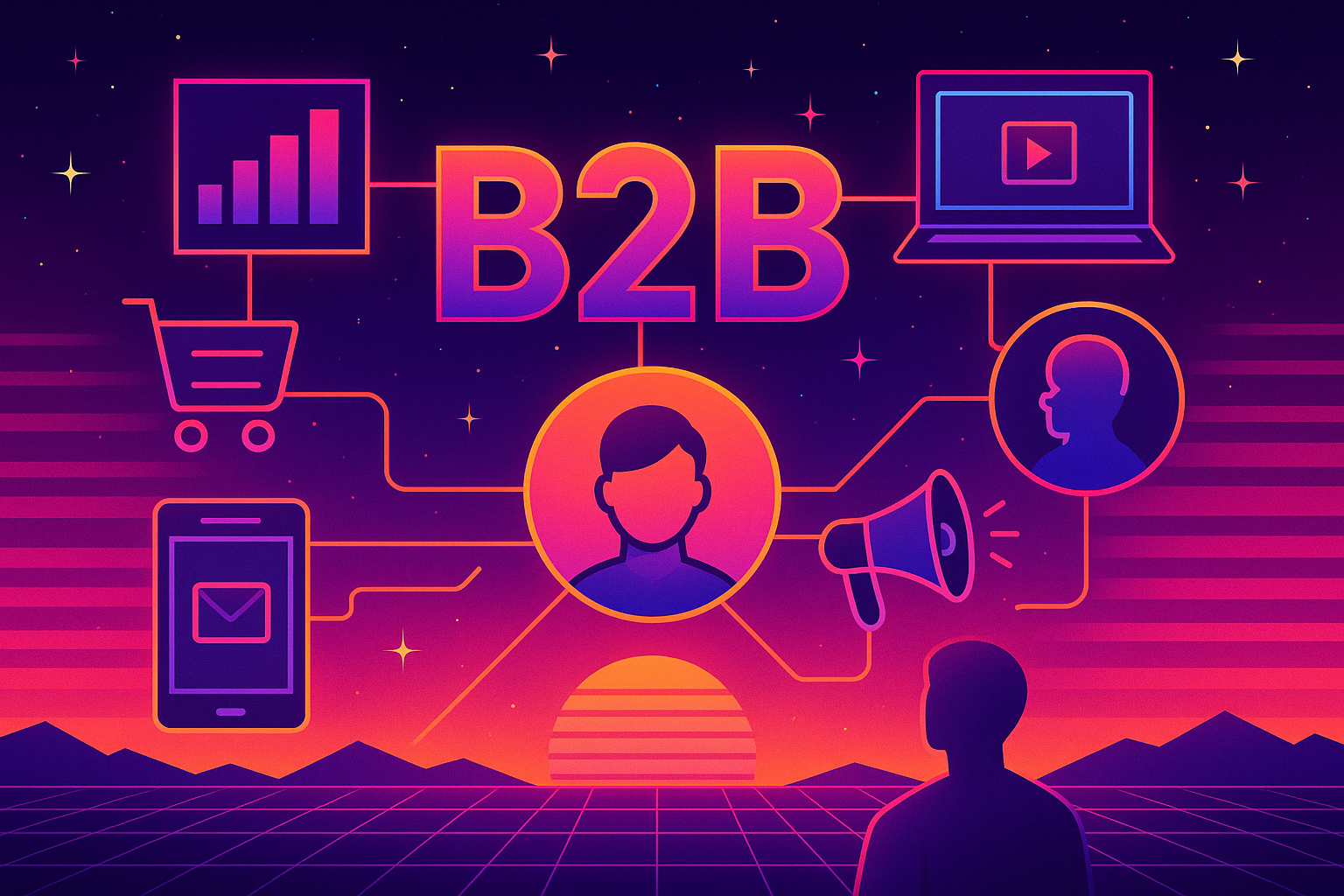
Discover how to craft a seamless B2B omnichannel marketing experience that boosts engagement and sales. Learn about integrating digital and traditional channels, personalizing customer interactions, and leveraging data for cohesive strategies.
📑 Table of Contents
- Understanding the Essence of B2B OmnichannelMarketing
- Strategic Planning for Omnichannel Success
- Aligning Team and Technology
- Creating Content That Connects
- Personalization at Scale
- Leveraging Technology for Enhanced Interaction
- Integration Across Platforms
- Measuring Omnichannel Effectiveness
- Customer Feedback and Continuous Improvement
- Overcoming Challenges in Omnichannel B2B Marketing
- Ensuring Data Security and Privacy
- Practical Takeaway: Implementing a Winning Omnichannel Strategy
Understanding the Essence of B2B Omnichannel Marketing
In the realm of B2B marketing, an omnichannel approach is not just a strategy but a comprehensive method to engage with your business customers across multiple platforms seamlessly. This approach ensures that regardless of the channel — whether it’s email, social media, or face-to-face interactions — the experience is consistent and reflects the brand’s core values and messages. Understanding the essence of B2B omnichannel marketing involves recognizing that each touchpoint with a customer is an opportunity to build a relationship and reinforce your brand’s value proposition.
Strategic Planning for Omnichannel Success
To implement an effective B2B omnichannel strategy, it begins with meticulous strategic planning. This includes defining clear objectives such as increasing customer retention, improving customer satisfaction, or boosting cross-channel sales. It's crucial to understand your audience deeply — what channels they frequent, their business needs, and how they prefer to consume content. This insight allows you to create a tailored, engaging content strategy that speaks directly to your audience across all channels.
Aligning Team and Technology
Ensure that your marketing, sales, and customer service teams are aligned with your omnichannel strategy. This alignment is crucial for maintaining a consistent message and brand experience. Furthermore, investing in the right technology stack — such as CRM systems and marketing automation tools — can help in tracking customer interactions across channels and delivering personalized content effectively.
Creating Content That Connects
Content is the backbone of any marketing strategy. In an omnichannel approach, it's vital to create content that not only informs but also engages and converts. Developing content that can be easily adapted across different platforms while maintaining a consistent tone and message is key. This might include whitepapers, blog posts, videos, and infographics that address specific customer pain points and offer solutions.
Personalization at Scale
Utilizing data analytics to personalize content can significantly enhance the effectiveness of your omnichannel strategy. By analyzing customer data, you can create targeted messages that resonate deeply with different segments of your audience, thereby increasing the relevance and impact of your communications.
Leveraging Technology for Enhanced Interaction
The right technology is pivotal in executing a successful omnichannel strategy. Tools such as CRM systems help in collecting and managing customer data across multiple touchpoints. Marketing automation platforms enable the delivery of tailored messages at optimal times. Additionally, AI and machine learning can be leveraged to predict customer behaviors and preferences, thereby refining your marketing efforts.
Integration Across Platforms
An integrated technology stack ensures that data flows seamlessly between tools, providing a unified view of customer interactions. This integration is essential for delivering a consistent and personalized customer experience across all channels.
Measuring Omnichannel Effectiveness
To ensure the success of your omnichannel strategy, it's critical to measure its effectiveness regularly. Key performance indicators (KPIs) such as customer engagement rates, conversion rates, and ROI from different channels help in assessing the performance and identifying areas for improvement. Regular audits and adjustments based on these metrics are essential to refine strategies and achieve desired outcomes.
Customer Feedback and Continuous Improvement
Actively seeking and analyzing customer feedback is vital in the omnichannel world. Feedback helps in understanding customer satisfaction and identifying pain points in the omnichannel experience. Continuous improvement based on this feedback ensures that the strategy remains relevant and effective in meeting customer needs.
Overcoming Challenges in Omnichannel B2B Marketing
While the benefits of a seamless omnichannel experience are clear, several challenges can impede its success. These include data silos, lack of cross-departmental collaboration, and technological limitations. Addressing these challenges head-on involves ensuring data integration, promoting a culture of collaboration across teams, and staying updated with advancements in technology to support your strategy.
Ensuring Data Security and Privacy
With the extensive use of data in omnichannel marketing, ensuring the security and privacy of customer information is paramount. Adhering to regulatory requirements and using secure systems to manage data helps in building trust with your customers and protecting your brand’s reputation.
Practical Takeaway: Implementing a Winning Omnichannel Strategy
To build a successful B2B omnichannel marketing experience, start with a solid understanding of your customer and market. Align your teams and technology to deliver a consistent brand message across all channels. Invest in creating high-quality, personalized content and leverage technology to enhance customer interactions. Measure your strategy’s effectiveness regularly and be prepared to adapt based on feedback and evolving market conditions. By addressing the challenges head-on and focusing on continuous improvement, your business can achieve a seamless and effective omnichannel presence.
Frequently Asked Questions
What is Omnichannel Marketing?
Omnichannel marketing refers to a multi-channel sales approach that provides the customer with an integrated shopping experience. The customer can be shopping online from a desktop or mobile device, by telephone, or in a brick-and-mortar store, but the experience will be seamless. It involves understanding the customer's journey across all channels and deploying a consistent, personalized strategy that reflects their interactions and preferences.
How does Omnichannel Marketing enhance customer experience?
Omnichannel marketing enhances the customer experience by providing a consistent, unified interface and message across all channels. This strategy ensures that whether a customer interacts with a brand online, in person, or through a customer service representative, the experience is consistent and fluid. This seamlessness not only improves customer satisfaction and loyalty but also increases the efficiency of the marketing efforts by utilizing data gathered from various channels to offer more personalized engagement.
What are the key components of a successful Omnichannel Marketing strategy?
A successful omnichannel marketing strategy typically includes several key components: comprehensive customer data integration, consistent branding and messaging across all channels, personalized customer interactions based on insights from data analytics, and a robust technological infrastructure to support seamless experiences. Additionally, it's crucial to continuously monitor and optimize the strategy based on customer feedback and changing behaviors to maintain relevance and effectiveness.
Sources and References
- The secret to making it in the digital sales world - This McKinsey report provides insights into the importance of omnichannel strategies in B2B environments. It supports the article's discussion on strategic planning for omnichannel success by highlighting how companies can integrate digital and traditional marketing methods to enhance customer experiences.
- The State of Digital Business 2018-2020 - Forrester's research outlines current trends and future predictions for digital businesses, including the adoption of omnichannel strategies. This source is used in the article to underscore the alignment of team and technology in creating a seamless omnichannel experience.
- The New Rules of Talent Management for Digital and Remote Teams - Harvard Business Review article that discusses modern strategies for managing digital and remote teams effectively. It supports the article's section on aligning team and technology by providing insights into the organizational changes necessary for successful omnichannel marketing.
- Personalization at Scale: How to Get Big and Stay Nimble - This article from the Content Marketing Institute offers practical advice on scaling content personalization, a key topic in the article under the section 'Personalization at Scale'. It provides strategies for B2B marketers to tailor content effectively across different channels.
- Machine Learning in B2B Sales and Marketing - A research paper from Google that explores the application of machine learning in enhancing B2B sales and marketing strategies. This source supports the discussion on using AI to enhance personalization and customer engagement in omnichannel marketing.
- State of the Connected Customer - Salesforce research report that provides data on customer expectations and behaviors in a digital-first world. It supports the article's emphasis on creating content that connects and personalizes customer interactions across various channels.