How to Build B2B Marketing Funnels That Boost Conversion Rates
The marketing funnel is a strategic model used to guide potential customers through different stages of engagement, from initial awareness to final purchase....

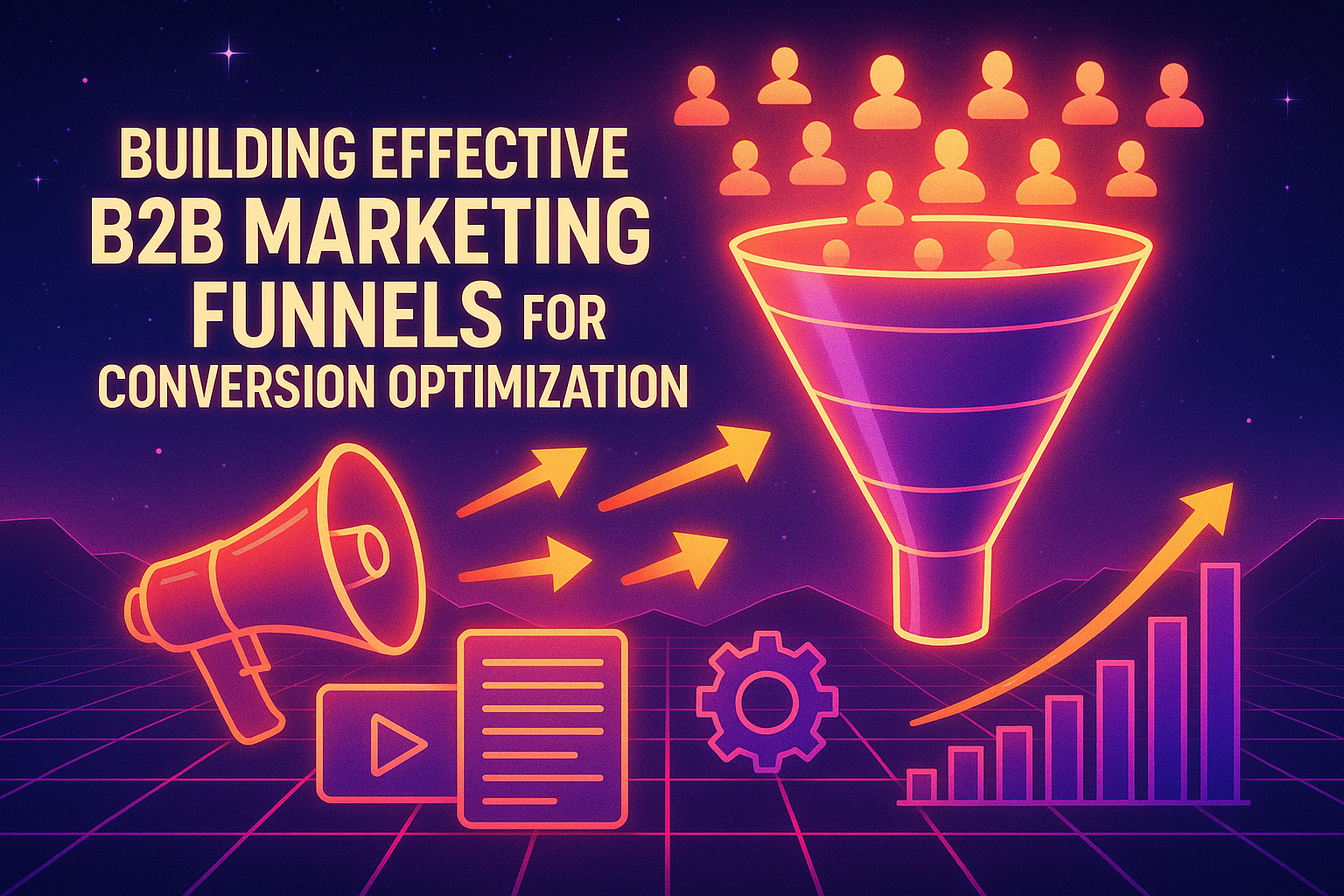
Discover how to craft B2B marketing funnels that boost conversion rates. This article covers strategic funnel stages, effective content, and analytics tools to optimize your approach and increase ROI. Dive in to transform your B2B marketing efforts!
📑 Table of Contents
- Understanding the Anatomy of a B2BMarketingFunnel
- Optimizing Top-of-Funnel Strategies to Capture Quality Leads
- Leveraging Mid-Funnel Tactics to Nurture Leads
- Implementing Bottom-of-Funnel Activities for Conversion
- Integrating Analytics to Measure Funnel Effectiveness
- Continuously Refining Strategies Based on Feedback and Trends
- Practical Takeaways for Building and Optimizing Your B2B Marketing Funnel
Understanding the Anatomy of a B2B Marketing Funnel
The marketing funnel is a strategic model used to guide potential customers through different stages of engagement, from initial awareness to final purchase. In the context of B2B marketing, understanding this funnel's structure is crucial as it often involves longer decision cycles and multiple stakeholders. The key stages—awareness, interest, consideration, intent, evaluation, and purchase—need to be carefully managed to ensure that potential clients progress towards a sale.
Effective B2B marketing funnels are characterized by tailored content and interactions designed to meet the specific needs of businesses at each stage. This targeted approach not only increases the likelihood of conversion but also builds a strong foundation for future customer loyalty and advocacy.
Optimizing Top-of-Funnel Strategies to Capture Quality Leads
At the top of the funnel, the primary goal is to generate awareness and capture leads. Strategies here need to focus on reaching a broad audience while also ensuring the quality of leads through precise targeting. Content marketing, SEO, and strategic use of social media platforms are fundamental in achieving these objectives. High-quality, informative content that addresses specific industry pain points or introduces innovative solutions can draw the right attention and engage the right audience.
Using tools like Google Analytics and social media insights can help marketers understand which topics and formats resonate most with their target demographic, enabling them to refine their content strategy continuously.
Leveraging Mid-Funnel Tactics to Nurture Leads
Once leads are captured, the focus shifts to nurturing these potential clients through the middle of the funnel. This stage is critical as it's where the relationship is built. Email marketing campaigns, targeted content, and personalized communication play vital roles. Segmenting your email list based on user activity and engagement can help in delivering more personalized and relevant messages, which significantly increases the chances of moving leads further down the funnel.
Furthermore, case studies, webinars, and detailed guides can serve as excellent tools for educating leads and addressing common questions or concerns that may arise during the decision-making process.
Implementing Bottom-of-Funnel Activities for Conversion
In the final stages of the funnel, the strategy should focus on conversion optimization. Here, the content and interactions should be highly personalized and geared towards closing a sale. Demonstrations, free trials, and consultations can be effective in giving potential clients a firsthand experience of what is being offered, thereby reducing any remaining hesitations.
Additionally, employing CRM systems to track interactions and tailor future communications can help maintain the momentum built through the funnel and convert leads into customers efficiently.
Integrating Analytics to Measure Funnel Effectiveness
Without a robust framework for measuring the effectiveness of different strategies at each stage of the funnel, optimization is challenging. Key performance indicators (KPIs) such as lead conversion rates, click-through rates, and customer acquisition costs are essential metrics to monitor. These indicators help in understanding which tactics are working and which are not, providing a basis for ongoing adjustments and improvements.
Tools like Google Analytics and specialized CRM software offer comprehensive data analysis capabilities that allow marketers to track these metrics accurately. Regularly reviewing this data ensures that the marketing funnel remains effective and continues to evolve with changing market dynamics.
Continuously Refining Strategies Based on Feedback and Trends
The most successful B2B marketing funnels are dynamic, adapting to new trends and feedback. Staying attuned to changes in the market, technological advancements, and feedback from both clients and sales teams can provide invaluable insights into how the funnel can be improved.
For instance, adopting new technologies like AI for better data analysis and personalization or revising content strategies to align with emerging industry trends can significantly enhance the effectiveness of the funnel. Regular training sessions for the marketing and sales teams also help in keeping everyone updated on the latest strategies and tools, ensuring that the funnel operates smoothly and efficiently.
Practical Takeaways for Building and Optimizing Your B2B Marketing Funnel
To build and optimize an effective B2B marketing funnel, focus on understanding each stage of the customer journey and tailor your strategies to meet the specific needs and behaviors of potential clients. Employ a mix of content marketing, personalized communication, and robust analytics to guide and nurture leads effectively towards conversion. Always be ready to adapt and refine your strategies based on performance data and market feedback to stay ahead in the competitive B2B landscape.
Remember, the key to a successful B2B marketing funnel is not just in attracting leads but in effectively nurturing and converting them into loyal customers.
Frequently Asked Questions
What are the key components of an effective B2B marketing funnel?
An effective B2B marketing funnel typically includes the following key components: awareness, interest, consideration, and conversion. Each stage serves a specific purpose: 1. Awareness: Attract potential leads through content marketing, ads, or social media. 2. Interest: Engage your audience with informative and relevant content that establishes your credibility. 3. Consideration: Nurture leads with targeted marketing, such as email campaigns or personalized demos. 4. Conversion: Convert leads into customers by emphasizing the value of your product or service and offering compelling calls to action.
How can content marketing be optimized for different stages of the B2B funnel?
Content marketing should be tailored to address the needs and questions of the audience at each stage of the B2B funnel: 1. Awareness: Create educational and broad content like blog posts, infographics, and videos to attract a wide audience. 2. Interest: Offer more detailed content such as case studies, eBooks, or webinars that showcase your expertise. 3. Consideration: Provide content like product comparisons, detailed guides, or free trials that help leads evaluate your offerings. 4. Conversion: Use persuasive content such as testimonials, reviews, and strong call-to-action prompts that encourage final decision-making. By aligning content strategy with the funnel stages, businesses can effectively guide leads towards conversion.
What strategies can be used to ensure leads move smoothly through a B2B marketing funnel?
To ensure smooth progression of leads through a B2B marketing funnel, consider the following strategies: 1. Lead Scoring: Implement a lead scoring system to prioritize and respond to leads based on their engagement level and likelihood to convert. 2. Personalization: Tailor communication and content to meet the specific needs and interests of leads at each stage of the funnel. 3. Multi-Channel Approach: Engage leads across multiple platforms (email, social media, webinars) to maintain interest and visibility. 4. Continuous Nurturing: Regularly provide valuable information and support to leads, even after they move past the initial stages of the funnel. These strategies help maintain momentum and improve the efficiency of the marketing funnel.
Sources and References
- The B2B Revenue Waterfall - This Forrester report provides a deep dive into the structure and stages of B2B marketing funnels, aligning closely with the discussion on understanding the anatomy of a B2B marketing funnel. It offers data-driven insights into how companies can optimize each stage for better conversion rates.
- Effective Content Strategies for the Top of the Funnel - This article from Content Marketing Institute outlines various content strategies that attract quality leads, supporting the section on optimizing top-of-funnel strategies. It includes case studies and expert advice on using content to generate interest and capture leads.
- Nurturing Leads in the Middle of the Funnel - Harvard Business Review provides an in-depth analysis of mid-funnel tactics, which is essential for the article's section on leveraging mid-funnel tactics to nurture leads. The source discusses psychological triggers and content personalization strategies that help in moving leads down the funnel.
- The B2B Digital Inflection Point: How Sales Have Changed During COVID-19 - McKinsey's report offers insights into how digital strategies at the bottom of the funnel have evolved, particularly in response to global events like COVID-19, which aligns with the discussion on implementing bottom-of-funnel activities for conversion.
- Integrating Machine Learning into B2B Marketing Funnels - This research paper from Google explores the use of AI and machine learning in optimizing B2B marketing funnels, providing a technical foundation for the article's section on integrating analytics to measure funnel effectiveness.
- State of Marketing Report - Salesforce's comprehensive report provides data and trends on current B2B marketing practices, including funnel optimization and lead nurturing strategies. This source is valuable for validating the effectiveness of various strategies discussed throughout the article.