How to Build a Cohesive B2B Content Distribution Strategy That Delivers
Understanding the Landscape of B2B Content Distribution B2B content distribution involves more than simply crafting compelling content; it's about...

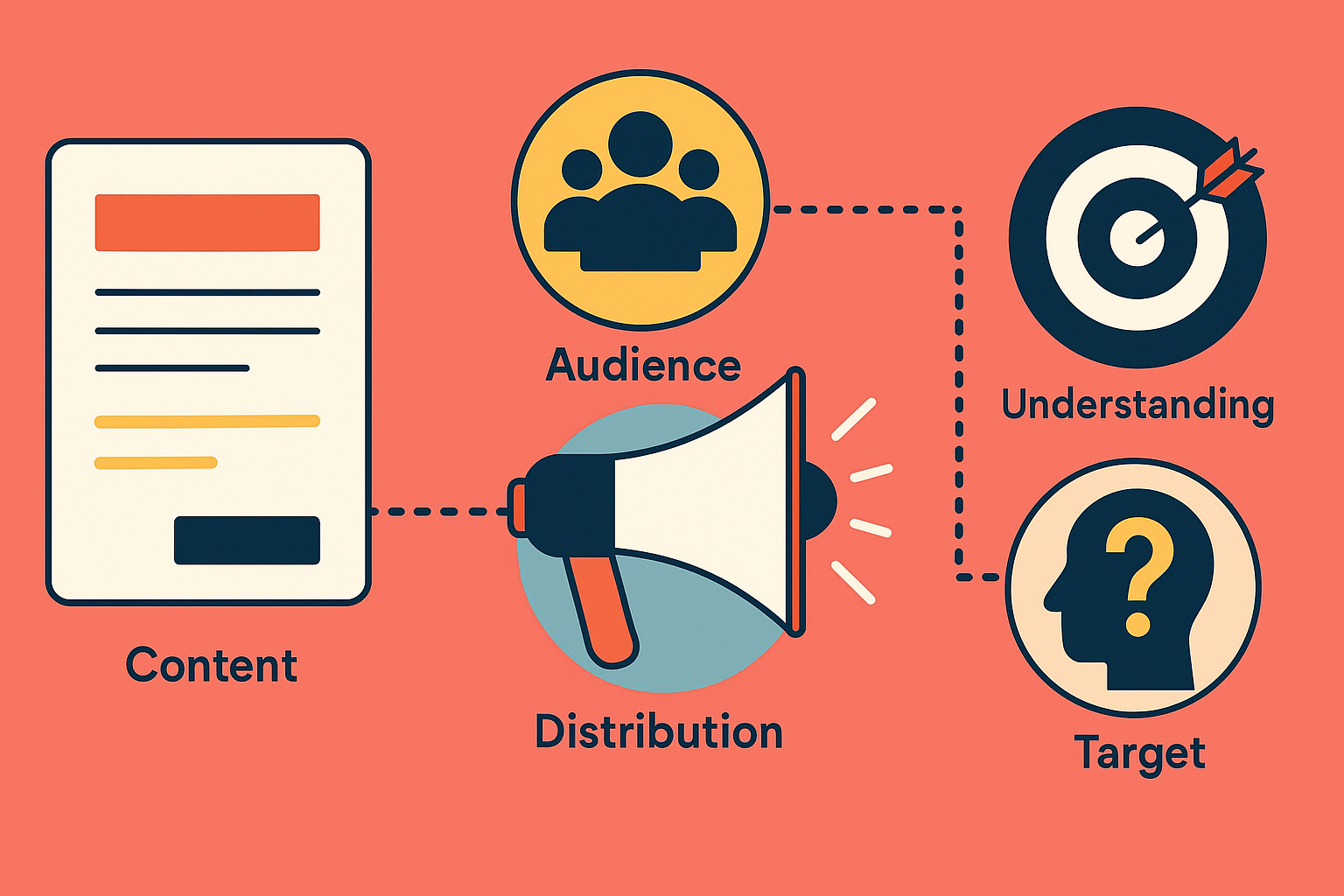
Discover how to craft a cohesive B2B content distribution strategy that boosts visibility and engagement. Learn to align content with audience needs, leverage multiple channels effectively, and measure success for continuous improvement.
📑 Table of Contents
- Understanding the Landscape of B2BContentDistribution
- Defining Your Target Audience and Their Needs
- Content Creation Aligned with Audience Expectations
- Strategic Content Placement and Timing
- LeveragingAutomationand Cross-Promotion
- Measuring Success and Optimizing Strategies
- Practical Takeaway: Building a Sustainable B2B Content Distribution Machine
Understanding the Landscape of B2B Content Distribution
B2B content distribution involves more than simply crafting compelling content; it's about strategically placing this content where it will reach and resonate with the intended audience. The first step in creating a cohesive strategy is to understand the landscape of B2B content distribution, which includes recognizing the diverse channels available—social media, email, blogs, partner platforms, and more—and the unique audience each channel attracts. Effective distribution requires an alignment of content with the platform's strengths and the preferences of its users. For instance, LinkedIn is renowned for professional networking and industry insights, making it an ideal platform for thought leadership articles and company news. Understanding these nuances allows a business to tailor content effectively to each channel.
Defining Your Target Audience and Their Needs
Before deploying any content, it's crucial to have a clear understanding of who the target audience is and what they need. This involves creating detailed buyer personas that outline typical audience members' job roles, industries, pain points, and information consumption habits. Surveys, interviews, and analytics tools can provide insights into the types of content your audience prefers and the problems they are looking to solve. With this data, businesses can create content that is not only relevant but also compelling enough to engage and convert their target demographic.
Content Creation Aligned with Audience Expectations
Once the audience’s preferences are understood, the next step is creating content that aligns with these expectations. This content should not only address the audience's needs but also reflect the brand’s voice and values. Whether it's informative blog posts, in-depth white papers, or engaging videos, the content must be of high quality and relevant to the audience's interests. Moreover, it's important to consider the content format preferred by the target audience. Some audiences might prefer detailed reports and data analysis, while others might engage more with dynamic video content or concise infographics.
Strategic Content Placement and Timing
Effective distribution is also about timing and placement. Knowing when your audience is most active on various channels and understanding the best times to post can significantly increase content visibility and engagement. Tools that analyze user activity and engagement rates can offer valuable insights into the optimal times for posting. Additionally, consider the context in which the content is viewed. For instance, content intended for top-of-funnel prospects should be more accessible and general, while content for bottom-of-funnel prospects can be more detailed and product-specific.
Leveraging Automation and Cross-Promotion
To streamline the content distribution process and ensure a consistent presence across multiple channels, automation tools are invaluable. These tools can schedule posts, track engagement, and even provide analytics to measure the effectiveness of different types of content on various platforms. Cross-promotion is another effective strategy. For example, a white paper promoted via email can also be broken down into a series of blog posts or infographics. This not only extends the life of the original content but also tailors it for different platforms and audience segments.
Measuring Success and Optimizing Strategies
No B2B content distribution strategy is complete without mechanisms for measuring success and areas for optimization. Key performance indicators (KPIs) such as engagement rate, click-through rate, lead generation, and conversion rate are essential metrics to track. These metrics help in understanding what types of content and which distribution channels are most effective at reaching and engaging the target audience. Regularly reviewing these metrics allows businesses to refine their strategies, improve content quality, and better align with audience expectations. Tools that provide real-time data and analytics can help in making informed decisions that enhance content distribution efforts.
Practical Takeaway: Building a Sustainable B2B Content Distribution Machine
The key to a successful B2B content distribution strategy lies in continuous learning and adaptation. By understanding the distribution landscape, defining the target audience, creating aligned content, strategically placing and timing content, leveraging automation, and measuring outcomes, businesses can build a robust distribution framework that drives engagement and conversions. To maintain relevance and effectiveness, continually revisit and refine your strategy based on feedback and analytics. This not only helps in keeping up with changing market dynamics but also ensures that the content distribution efforts are contributing positively to the overall business objectives.
Frequently Asked Questions
What are the key elements of a successful B2B content distribution strategy?
A successful B2B content distribution strategy should include a deep understanding of the target audience, the selection of appropriate distribution channels, consistent messaging that aligns with the brand’s values, and continuous measurement and optimization of content performance. Integrating these elements ensures that the content reaches the right audience, engages them effectively, and achieves the desired business outcomes.
How can understanding your audience improve your content distribution strategy?
Understanding your audience is crucial as it helps tailor your content to meet the specific needs, preferences, and behaviors of your target groups. This knowledge enables businesses to choose the most effective distribution channels and content formats, create more personalized and relevant messages, and ultimately, drive higher engagement and conversions. Audience insights should guide not only the creation of content but also its distribution to maximize reach and impact.
What are the best practices for measuring the effectiveness of a content distribution strategy?
Best practices for measuring the effectiveness of a content distribution strategy include setting clear, measurable objectives, using analytics tools to track performance metrics such as engagement rates, lead generation, and conversion rates, and regularly reviewing these metrics to assess the impact of the content. Additionally, it’s important to conduct A/B testing to compare different strategies and continuously refine your approach based on data-driven insights.
Sources and References
- Content Distribution Strategies for B2B Marketers - This source from the Content Marketing Institute provides a comprehensive overview of effective content distribution strategies tailored for B2B markets. It supports the article's discussion on strategic content placement and timing by offering real-world examples and expert recommendations.
- Building a B2B Content Marketing Strategy - Harvard Business Review's detailed exploration of B2B content marketing strategies lends credence to our article's sections on defining target audiences and aligning content creation with audience expectations. It discusses how deep understanding of the target market enhances content effectiveness.
- The Forrester Wave: B2B Marketing Automation Platforms - This Forrester report is crucial for understanding the role of automation in B2B content distribution, as discussed in our article. It evaluates different platforms and how they can be leveraged for efficient content distribution and cross-promotion.
- Artificial Intelligence and Content Marketing - This research paper from arXiv provides an academic perspective on the use of AI in content marketing, supporting the article's discussion on leveraging AI for enhancing B2B content distribution strategies.
- The B2B Digital Inflection Point - McKinsey's insights on the digital transformation in B2B marketing provide a solid foundation for understanding the landscape of B2B content distribution, which is a key theme in our article. The report highlights how digital channels have transformed traditional B2B marketing and distribution practices.
- How to Develop a B2B Content Marketing Strategy - Salesforce offers a practical guide that complements our article by detailing steps to develop a B2B content marketing strategy, focusing on audience understanding and strategic content placement.