How to Boost Your B2B Sales With a Proven Content Distribution Strategy
In the realm of business-to-business (B2B) marketing, content distribution is as critical as content creation. Distributing content effectively means ensuring...

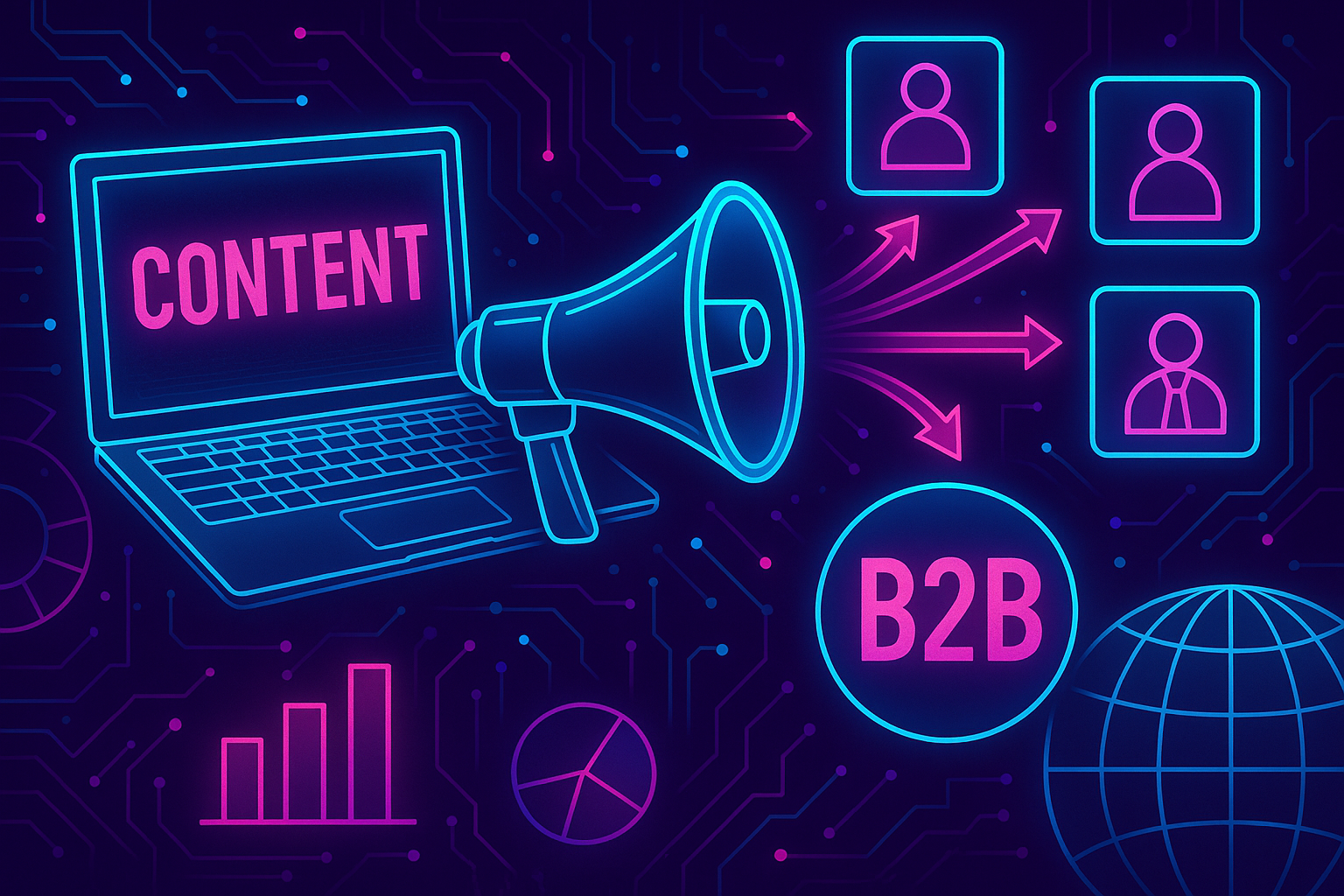
Discover the essentials of crafting a successful B2B content distribution strategy. Learn to identify your audience, choose the right channels, and measure impact effectively. Unlock the secrets to boosting your content's reach and engagement.
📑 Table of Contents
- Understanding the Landscape of B2B Content Distribution
- Developing a Targeted Content Plan
- Choosing the Right Channels for Distribution
- IntegratingSEOand Content Syndication
- Leveraging Data for Optimized Distribution
- Building Relationships Through Content
- Practical Takeaway
Understanding the Landscape of B2B Content Distribution
In the realm of business-to-business (B2B) marketing, content distribution is as critical as content creation. Distributing content effectively means ensuring that the right materials reach the right audience at the right time, maximizing both engagement and return on investment. It's essential to understand that B2B content distribution isn't just about spreading information; it's about strategically positioning your content to influence decision-makers and industry leaders.
An effective B2B content distribution strategy leverages multiple channels and techniques to engage with a business audience. This includes understanding the unique challenges and opportunities in B2B scenarios, such as longer sales cycles, multiple decision-makers, and the need for detailed, informative content that supports business decisions.
Developing a Targeted Content Plan
Before distributing content, it's crucial to have a well-thought-out plan that aligns with your business objectives and audience needs. This begins with persona development and market segmentation. Creating detailed buyer personas helps understand the challenges, pain points, and information consumption habits of your target audience. Once you know who you are targeting, tailor your content to address their specific needs and preferences. Learn more at Google documentation
Additionally, a content audit can be immensely beneficial. Assess your existing content to determine what has performed well in the past and identify gaps that new content can fill. This audit not only helps in refining the content strategy but also ensures that all content is purposeful and aligned with your audience’s needs.
Choosing the Right Channels for Distribution
The channels you choose for distributing your B2B content can significantly impact its effectiveness. Common channels include:
- Email Marketing: Direct and personalized, email is a channel that allows for detailed metrics tracking and segmentation.
- Social Media: Platforms like LinkedIn are particularly effective for B2B markets, allowing for targeted content distribution and networking.
- Blogs and Articles: These are excellent for establishing thought leadership and providing detailed, useful content to your audience.
- Webinars and Virtual Events: These platforms offer real-time engagement and can help in demonstrating your industry expertise.
It's important to not just select channels based on popularity but to choose based on where your audience is most active and receptive.
Integrating SEO and Content Syndication
Search Engine Optimization (SEO) remains a cornerstone of any digital content strategy. For B2B businesses, focusing on industry-specific keywords and creating high-quality content that addresses the queries of your audience can drive organic traffic to your site.
Content syndication is another powerful technique in B2B contexts. By partnering with established platforms or industry blogs, you can extend the reach of your content to new, relevant audiences. This not only increases visibility but also enhances credibility through association with respected industry voices.
Leveraging Data for Optimized Distribution
Data analytics play a crucial role in refining and optimizing content distribution strategies. By regularly analyzing how different types of content perform across various channels, you can gain insights into what resonates with your audience. Metrics to focus on include:
- Engagement Rates: Look at likes, shares, comments, and time spent on page.
- Conversion Rates: Track how many leads or sales each piece of content generates.
- Bounce Rates: High bounce rates can indicate that the content is not relevant or engaging to the audience.
Using these insights, adjust your strategy, refine your content, and even experiment with new distribution channels to see how they perform.
Building Relationships Through Content
A successful B2B content distribution strategy does more than just disseminate information; it builds and nurtures relationships. Consider developing exclusive content for segments of your audience or personalized experiences for key accounts. Engage with your audience through comments or direct messages to foster a sense of community and loyalty.
Furthermore, integrating customer feedback into your content creation process can help in producing materials that are even more aligned with your audience’s expectations and needs. This approach not only improves content effectiveness but also strengthens customer relationships.
Practical Takeaway
To implement a successful B2B content distribution strategy, start by deeply understanding your audience and tailoring your content plan to meet their specific needs. Choose the right channels based on where your audience is most active, integrate SEO practices, and leverage data analytics to continually refine your approach. Remember, the goal of your content is not just to inform but also to engage and build lasting relationships with other businesses.
By focusing on these strategic elements and continuously adapting to feedback and results, your B2B content distribution efforts can yield significant benefits, driving both engagement and business growth.
Frequently Asked Questions
What are the key components of a successful B2B content distribution strategy?
A successful B2B content distribution strategy typically includes understanding your target audience, selecting the right distribution channels, creating high-quality and relevant content, and consistently analyzing and optimizing the strategy based on performance metrics. It's essential to align your content with the audience's needs and preferences and to use a mix of owned, earned, and paid media to maximize reach and engagement.
How can businesses identify the most effective distribution channels for their content?
Identifying the most effective distribution channels involves analyzing your target audience's behavior and preferences, understanding where they spend their time online, and what type of content they consume. Businesses should also consider the nature of the content and the goals of the distribution campaign. Testing different channels and measuring the performance of content across these channels can also provide insights into what works best for reaching your specific audience.
What role does audience segmentation play in content distribution?
Audience segmentation plays a crucial role in content distribution by allowing businesses to tailor their content to meet the specific needs, challenges, and interests of different groups within their target audience. By segmenting the audience based on factors like industry, job role, company size, or stage in the buying cycle, businesses can create more targeted and relevant content that resonates with each segment, thereby increasing the effectiveness of their content distribution efforts.
Sources and References
- Effective B2B Content Distribution Strategies - This source from the Content Marketing Institute provides an in-depth exploration of current strategies in B2B content distribution. It supports the article's discussion on choosing the right channels and developing targeted content plans by offering industry-backed tactics and case studies.
- The Forrester Wave: B2B Marketing Automation Platforms - This Forrester report is crucial for understanding how automated tools can aid in the distribution of B2B content. It provides data and expert analysis that validate the integration of SEO and content syndication discussed in the article.
- How to Create a B2B Content Strategy - Harvard Business Review offers a strategic overview on crafting content strategies specifically for B2B audiences. This supports the article's section on developing a targeted content plan by highlighting the importance of understanding audience needs and preferences.
- Analysis of Content Marketing Strategies in B2B Systems - This academic paper from arXiv provides a comprehensive analysis of content marketing strategies within B2B frameworks. It supports the article's insights on leveraging data for optimized distribution by discussing the effectiveness of various content types and distribution methods in B2B settings.
- McKinsey Insights on Marketing and Sales - McKinsey's collection of insights and articles offers valuable information on the latest trends and strategies in B2B marketing, supporting the article's discussion on choosing the right channels for distribution with data-driven analysis and recommendations.
- Google's Webmaster Guidelines - Google's official documentation provides foundational SEO guidelines that are crucial for integrating SEO effectively in content distribution strategies. This supports the article's section on integrating SEO with practical, authoritative advice directly from the primary search engine used worldwide.