How Predictive Analytics Can Boost Your B2B Marketing Strategy
Understanding Predictive Analytics in B2B Marketing Predictive analytics harnesses statistical techniques and machine learning models to analyze current and...

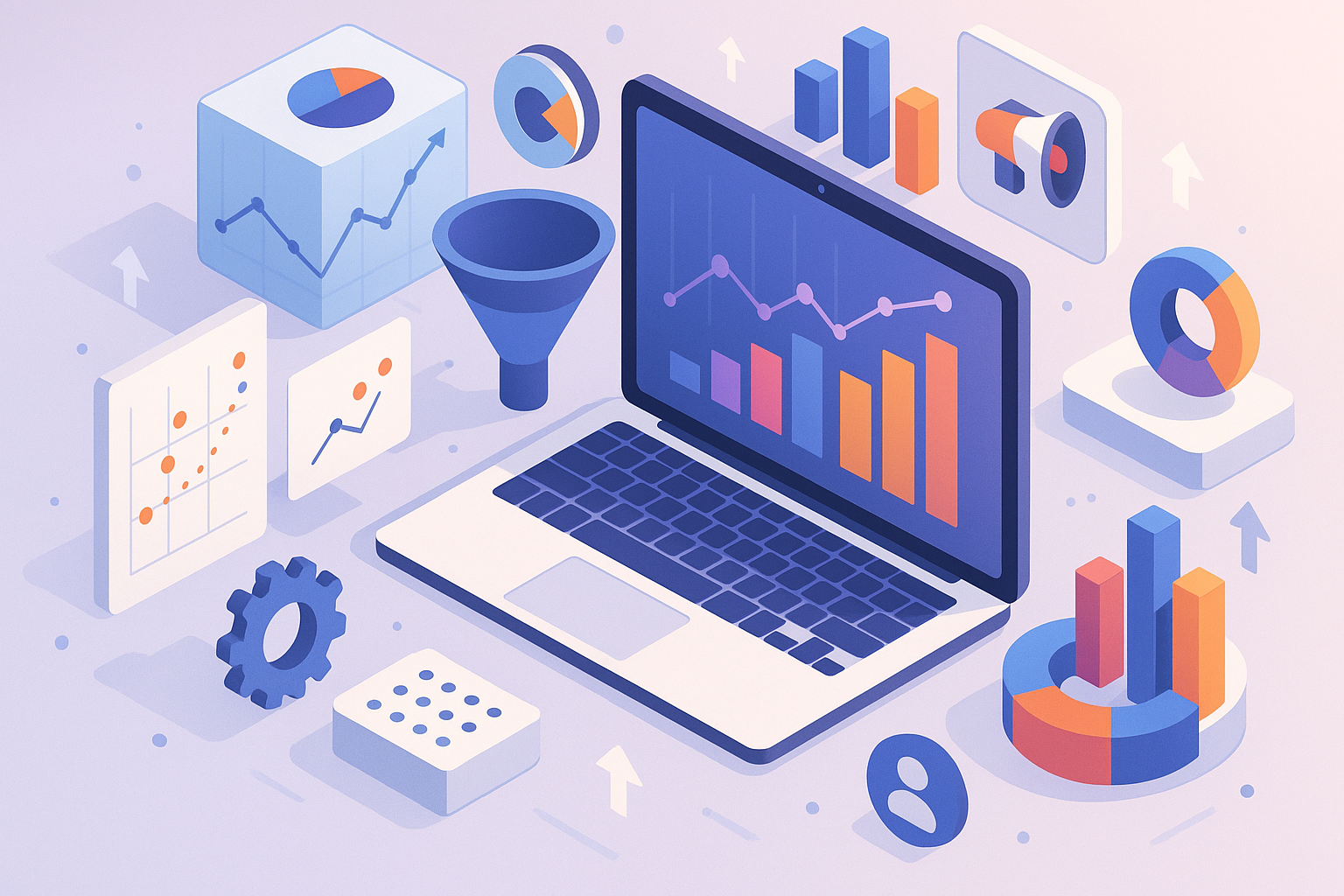
Discover how predictive analytics revolutionizes B2B marketing by enabling precise targeting and heightened customer engagement. This article explores key strategies, tools, and case studies to harness data for improved decision-making and increased ROI.
📑 Table of Contents
- Understanding Predictive Analytics in B2BMarketing
- The Role of Data in Predictive Analytics
- Data Sources for Predictive Modeling
- Ensuring Data Quality
- Developing Predictive Models for B2B Marketing
- Choosing the RightAlgorithm
- Applications of Predictive Analytics in B2B Marketing
- Enhancing Lead Scoring with Predictive Analytics
- Personalization of Marketing Campaigns
- Integrating Predictive Analytics into Marketing Strategies
- Building Cross-Functional Teams
- Continuous Learning and Improvement
- Measuring the Success of Predictive Analytics in Marketing
- Key Performance Indicators (KPIs)
- Overcoming Challenges in Predictive Analytics
- Addressing Data Privacy
- Managing Change and Expectations
- Practical Takeaways for Leveraging Predictive Analytics
Understanding Predictive Analytics in B2B Marketing
Predictive analytics harnesses statistical techniques and machine learning models to analyze current and historical data, foreseeing future behaviors, outcomes, and trends. In the realm of B2B marketing, this approach transforms how companies target leads, personalize campaigns, and optimize resources. It involves collecting data, applying models, and interpreting results to guide decision-making processes effectively.
The Role of Data in Predictive Analytics
The foundation of predictive analytics is robust data collection and management. For B2B marketers, understanding and organizing data is crucial. This includes demographic information, engagement metrics, transaction histories, and more. To optimize predictive analytics, data must be cleansed and validated to ensure accuracy and relevance.
Data Sources for Predictive Modeling
B2B marketers typically gather data from various sources including CRM systems, website analytics, social media interactions, and email campaigns. Integrating these data points creates a comprehensive view of customer behaviors and preferences.
Ensuring Data Quality
Maintaining high data quality is essential. This involves regular audits to check for inaccuracies, inconsistencies, and outdated information. High-quality data leads to more reliable predictions and, consequently, more effective marketing strategies.
Developing Predictive Models for B2B Marketing
Predictive modeling involves selecting the appropriate algorithms to process data and make forecasts. Common models in B2B marketing include logistic regression, decision trees, and neural networks, each offering different strengths depending on the specific marketing objectives.
Choosing the Right Algorithm
The choice of algorithm depends on the marketing goal, whether it’s lead scoring, customer segmentation, or churn prediction. Logistic regression might be ideal for binary outcomes such as predicting whether a lead will convert, while decision trees can help in segmenting customers based on various criteria.
Applications of Predictive Analytics in B2B Marketing
Predictive analytics can revolutionize various aspects of B2B marketing. Key applications include lead scoring, personalized marketing, and customer lifecycle management.
Enhancing Lead Scoring with Predictive Analytics
Predictive analytics refines lead scoring by predicting which prospects are likely to convert, allowing marketers to prioritize high-quality leads. This approach uses historical conversion data and lead behaviors to score leads more accurately.
Personalization of Marketing Campaigns
By predicting customer preferences and behaviors, B2B marketers can tailor messages and offers to meet the unique needs of each segment. This level of personalization increases the effectiveness of marketing campaigns and enhances customer engagement.
Integrating Predictive Analytics into Marketing Strategies
Successful integration of predictive analytics into marketing strategies involves aligning business goals with predictive capabilities. This requires collaboration across departments, clear strategy formulation, and continuous refinement of predictive models.
Building Cross-Functional Teams
Effective predictive analytics initiatives require a team that includes data scientists, marketing professionals, and IT support to manage data, develop models, and implement findings into marketing practices.
Continuous Learning and Improvement
Predictive models are not set-and-forget tools. They require ongoing evaluation and adjustment based on new data and changing market conditions. Regularly updating models ensures they remain accurate and relevant.
Measuring the Success of Predictive Analytics in Marketing
To truly gauge the impact of predictive analytics, B2B marketers must measure performance against key metrics. This includes conversion rates, customer acquisition costs, and overall return on investment (ROI).
Key Performance Indicators (KPIs)
Selecting the right KPIs is crucial. For predictive analytics, relevant KPIs might include lead conversion rate improvements, increases in customer lifetime value, and enhanced campaign response rates. These indicators help quantify the effectiveness of predictive strategies.
Overcoming Challenges in Predictive Analytics
While predictive analytics can offer substantial benefits, it also comes with challenges such as data privacy concerns, integration complexities, and the need for continuous model tuning.
Addressing Data Privacy
With increasing scrutiny on data usage, B2B marketers must navigate privacy laws and ethical considerations carefully. Ensuring compliance with regulations like GDPR is essential for maintaining customer trust and legal integrity.
Managing Change and Expectations
Implementing predictive analytics can be disruptive. It requires managing expectations and fostering an organizational culture that embraces data-driven decision making. Clear communication and training are vital to ensure smooth adoption.
Practical Takeaways for Leveraging Predictive Analytics
Predictive analytics in B2B marketing is not just about implementing sophisticated models but also about integrating insights seamlessly into marketing strategies. Start by ensuring your data is robust and your goals are clear. Select models that align with your business objectives, and continuously refine your approach based on performance metrics. Embrace the power of predictive analytics to stay ahead in the competitive B2B landscape, making informed decisions that drive success.
Frequently Asked Questions
What is predictive analytics in the context of B2B marketing?
Predictive analytics in B2B marketing involves using data, statistical algorithms, and machine learning techniques to identify the likelihood of future outcomes based on historical data. The goal is to go beyond knowing what has happened to provide the best assessment of what will happen in the future. This approach helps marketers to anticipate needs, understand customer behaviors, and make informed decisions about strategic marketing efforts to enhance business growth.
How can predictive analytics improve lead generation in B2B marketing?
Predictive analytics can significantly enhance lead generation efforts in B2B marketing by analyzing existing customer data to predict who might be interested in a product or service. By identifying patterns and trends in the data, businesses can target potential clients who display similar behaviors or characteristics to their best existing customers. This targeted approach not only increases the efficiency of lead generation campaigns but also improves the quality of the leads, potentially leading to higher conversion rates and better ROI.
What are the key data sources for predictive analytics in B2B marketing?
Key data sources for predictive analytics in B2B marketing include customer relationship management (CRM) systems, marketing automation platforms, business interaction data, transactional data, and external sources such as market trends and demographic information. Collecting and integrating data from these diverse sources can provide a comprehensive view of customer behaviors and preferences, which is crucial for developing accurate predictive models.
Sources and References
- How B2B Digital Leaders Drive Five Times More Revenue Growth Than Their Peers - This McKinsey report discusses the impact of advanced digital practices, including predictive analytics, in B2B marketing. It provides empirical evidence supporting the effectiveness of predictive models in driving revenue growth, directly correlating with the article's discussion on developing predictive models for B2B marketing success.
- Predictive Analytics in Business-to-Business Marketing - This research paper from arxiv.org explores various predictive analytics models and their application in B2B settings. It offers a deep dive into the methodologies that can be employed in predictive modeling, aligning with the article's section on developing predictive models.
- The Power of Predictive Analytics in B2B Sales - Harvard Business Review article that outlines how predictive analytics can transform B2B sales strategies. It provides insights into the role of data and predictive analytics in crafting effective marketing strategies, reinforcing the article's discussion on the role of data in predictive analytics.
- The Forrester Wave: Predictive Marketing Analytics for B2B Marketers - Forrester's analysis offers a comprehensive evaluation of predictive marketing analytics tools, highlighting their impact on B2B marketing. This source supports the article's exploration of data sources for predictive modeling by detailing the features and benefits of various analytics tools.
- Using Predictive Analytics in Marketing - Salesforce provides a practical guide on implementing predictive analytics in marketing strategies. This source is particularly relevant to the article's section on ensuring data quality, as it discusses how data quality impacts the success of predictive models in marketing.
- Machine Learning and Cloud Computing: Harnessing Predictive Analytics - This technical paper from Google Research discusses the integration of machine learning and cloud computing to enhance predictive analytics capabilities. It supports the article's content on AI and machine learning technologies in developing predictive models for B2B marketing.