Craft a Winning B2B Marketing Playbook for Tactical Success
Defining the Scope and Goals of a B2B Marketing Playbook Before diving into the tactical execution of a B2B marketing playbook, it's crucial to define its...

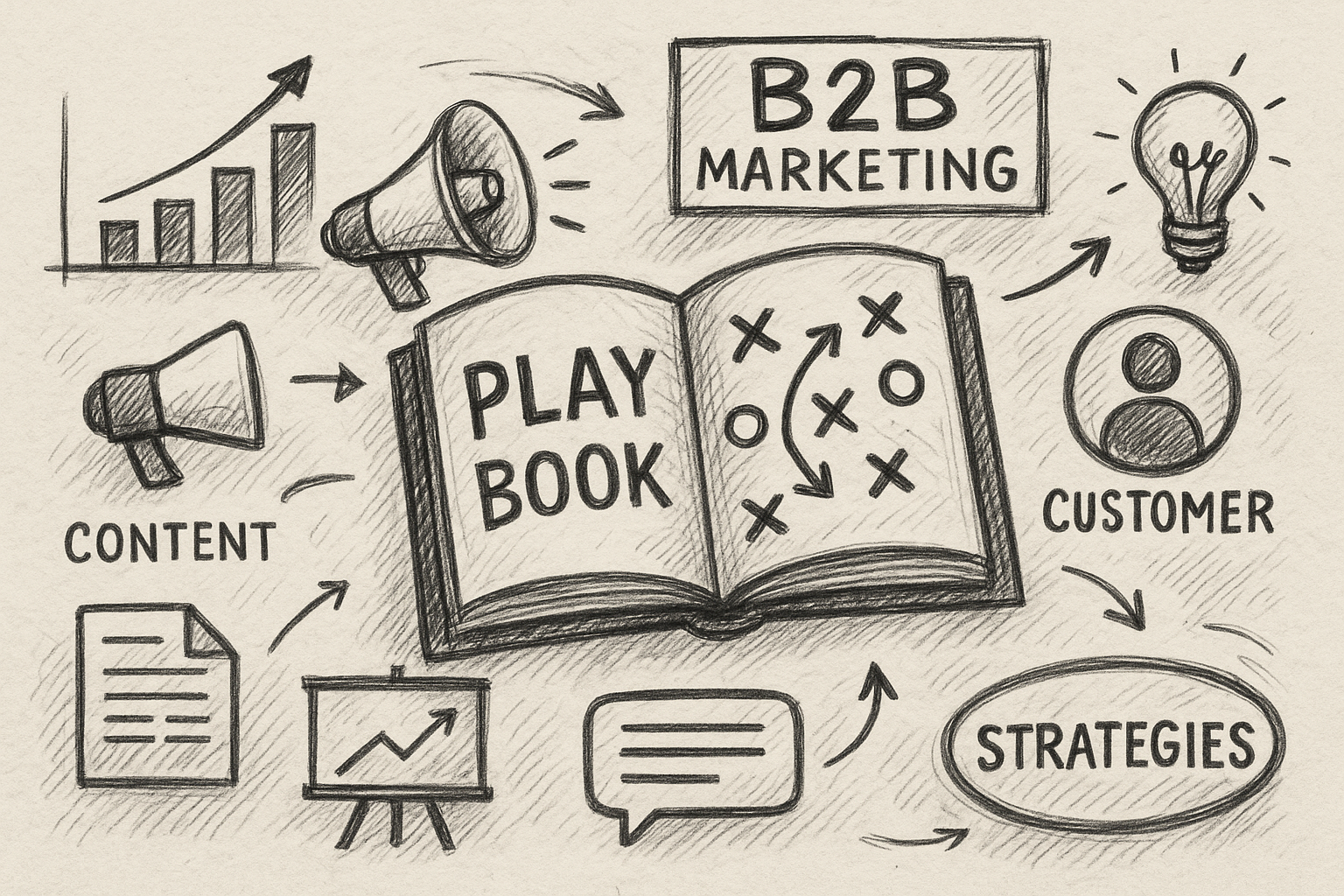
Discover how to craft a B2B marketing playbook that drives results. Learn key strategies for segmentation, content creation, and lead generation. This guide provides actionable insights for tactical execution to elevate your business growth.
📑 Table of Contents
- Defining the Scope and Goals of a B2BMarketingPlaybook
- Developing a Robust Customer Profile
- Utilizing Data to Refine Personas
- Mapping the Customer Journey
- Integrating Touchpoints and Channels
- Strategies for Content Creation and Distribution
- Focusing on Value-Driven Content
- Leveraging Technology for MarketingAutomation
- Optimizing Campaigns with Analytics
- Continuous Learning and Adaptation
- Implementing a Feedback Loop
- Practical Takeaways for Building a B2B Marketing Playbook
Defining the Scope and Goals of a B2B Marketing Playbook
Before diving into the tactical execution of a B2B marketing playbook, it's crucial to define its scope and goals. A playbook should serve as a comprehensive guide for your marketing team, detailing strategies, tactics, and processes to achieve specific business objectives. Start by identifying key business goals such as increasing market share, enhancing brand awareness, or generating qualified leads. Align these goals with your overall business strategy to ensure your marketing efforts are both strategic and targeted.
Developing a Robust Customer Profile
Understanding your target audience is the cornerstone of any effective marketing playbook. Develop detailed customer profiles or personas by gathering data on your existing customers and researching your target market. This should include demographic information, industry sectors, job roles, pain points, and buying behaviors. Utilizing tools like surveys, interviews, and data analytics platforms can provide insights that help tailor your marketing strategies to the needs and preferences of your audience.
Utilizing Data to Refine Personas
Leverage data from CRM systems, website analytics, and social media interactions to refine your customer personas over time. This dynamic approach ensures your strategies remain relevant as market conditions and customer behaviors evolve.
Mapping the Customer Journey
A critical component of your playbook is a detailed map of the customer journey, outlining each touchpoint where prospects interact with your brand. This map should include stages like awareness, consideration, decision, and advocacy. For each stage, identify the most effective marketing channels and tactics, whether it’s content marketing, email campaigns, social media, or direct outreach. Understanding the customer journey allows you to craft more personalized and effective marketing messages.
Integrating Touchpoints and Channels
Ensure that your playbook integrates multiple channels and touchpoints seamlessly. Multi-channel marketing strategies enhance the customer experience, providing consistent and relevant content across all platforms. This integration helps in nurturing leads effectively through the sales funnel.
Strategies for Content Creation and Distribution
Content is a key driver in B2B marketing. Your playbook should outline a content strategy that supports each stage of the customer journey. Develop a content calendar that details what types of content to publish, on which platforms, and at what frequency. Prioritize high-quality, engaging content that addresses the specific needs and pain points of your target audience.
Focusing on Value-Driven Content
The content you create should provide real value to your prospects, helping to establish your brand as a thought leader in your industry. Use insights from customer data to create targeted content that resonates with your audience, such as whitepapers, case studies, blogs, and video tutorials.
Leveraging Technology for Marketing Automation
Marketing automation is a powerful tool for streamlining your marketing processes and improving efficiency. Your playbook should specify which aspects of your marketing strategy will benefit from automation, such as lead nurturing emails, social media posting, or ad campaigns. Choose a robust marketing automation platform that integrates well with your other business systems and provides comprehensive analytics.
Optimizing Campaigns with Analytics
Use the data from your marketing automation tools to continually optimize your campaigns. Analyzing performance metrics such as click-through rates, conversion rates, and ROI allows you to refine your strategies and improve outcomes over time.
Continuous Learning and Adaptation
The digital marketing landscape is constantly evolving, so your B2B marketing playbook should include a strategy for ongoing learning and adaptation. Regularly review industry trends, emerging technologies, and competitive strategies to keep your playbook relevant. Encourage feedback from your team and incorporate these insights into your marketing approach.
Implementing a Feedback Loop
Establish a systematic feedback loop where marketing outcomes are regularly evaluated against your playbook’s strategies. This not only helps in identifying areas for improvement but also fosters a culture of continuous improvement within your marketing team.
Practical Takeaways for Building a B2B Marketing Playbook
Creating a comprehensive B2B marketing playbook requires a structured approach, centered around deep knowledge of your target audience and clear business objectives. By focusing on customer profiles, journey mapping, content strategy, technology integration, and continuous adaptation, you can develop a playbook that not only guides your marketing team but also drives meaningful business results. Remember, the most effective playbooks are dynamic tools that evolve with your business and the market environment, ensuring sustained success in your marketing efforts.
Frequently Asked Questions
What are the key components of a successful B2B marketing playbook?
A successful B2B marketing playbook should include a well-defined target audience, clear marketing objectives, a comprehensive list of marketing tactics and channels, content strategy guidelines, a timeline for execution, and metrics for measuring success. Additionally, it should provide details on team roles and responsibilities, budget allocations, and any tools or technologies needed to implement the strategies efficiently.
How can a B2B marketing playbook improve customer engagement?
A B2B marketing playbook can enhance customer engagement by providing a structured approach to deliver consistent, relevant, and valuable content to the target audience. By aligning marketing strategies with customer needs and preferences, businesses can create more meaningful interactions, foster loyalty, and ultimately drive higher conversion rates. The playbook ensures that all marketing efforts are cohesive and tailored to nurture customer relationships at every stage of the buyer's journey.
What strategies should be included in a B2B marketing playbook to ensure it remains effective over time?
To ensure long-term effectiveness, a B2B marketing playbook should include strategies that focus on adaptability and continuous improvement. This includes regular analysis of market trends and customer feedback, periodic updates to marketing tactics and tools, and ongoing training for team members. Additionally, incorporating a mix of both proven methods and innovative approaches can help businesses stay competitive and responsive to changing market dynamics.
Sources and References
- The B2B Marketing Playbook by McKinsey & Company - This source provides a comprehensive framework for creating and implementing B2B marketing strategies, which is essential for understanding the structural foundation of a B2B marketing playbook. It offers insights into how companies can define their scope and goals effectively.
- Designing a Customer-Centric Organization by Harvard Business Review - This article discusses the importance of developing robust customer profiles and organizing business structures around customer needs, directly supporting the section on developing customer profiles in the marketing playbook.
- Utilizing Data to Refine Personas in B2B Marketing: An Analytical Approach - This academic paper provides a detailed analysis of how data can be used to refine customer personas, offering empirical evidence and methodologies that are critical for the persona development section of a B2B marketing playbook.
- The B2B Customer Journey Mapping Basics by Forrester - This report outlines fundamental techniques and strategies for mapping the customer journey in a B2B context, providing essential guidance for the playbook section dedicated to this topic.
- How to Integrate Touchpoints and Channels in Your Content Strategy by Content Marketing Institute - This article offers practical advice on integrating various communication touchpoints and channels into a cohesive marketing strategy, which is crucial for the tactical execution part of a B2B marketing playbook.
- State of the Connected Customer by Salesforce - This research report provides insights into customer expectations and behaviors in the digital age, supporting the playbook's sections on customer profiling and journey mapping with up-to-date data and trends.