How B2B Marketers Can Maximize Content Distribution for Better Results
Understanding the B2B Content Distribution Landscape In the realm of B2B marketing, content distribution is as critical as the content itself. The right...

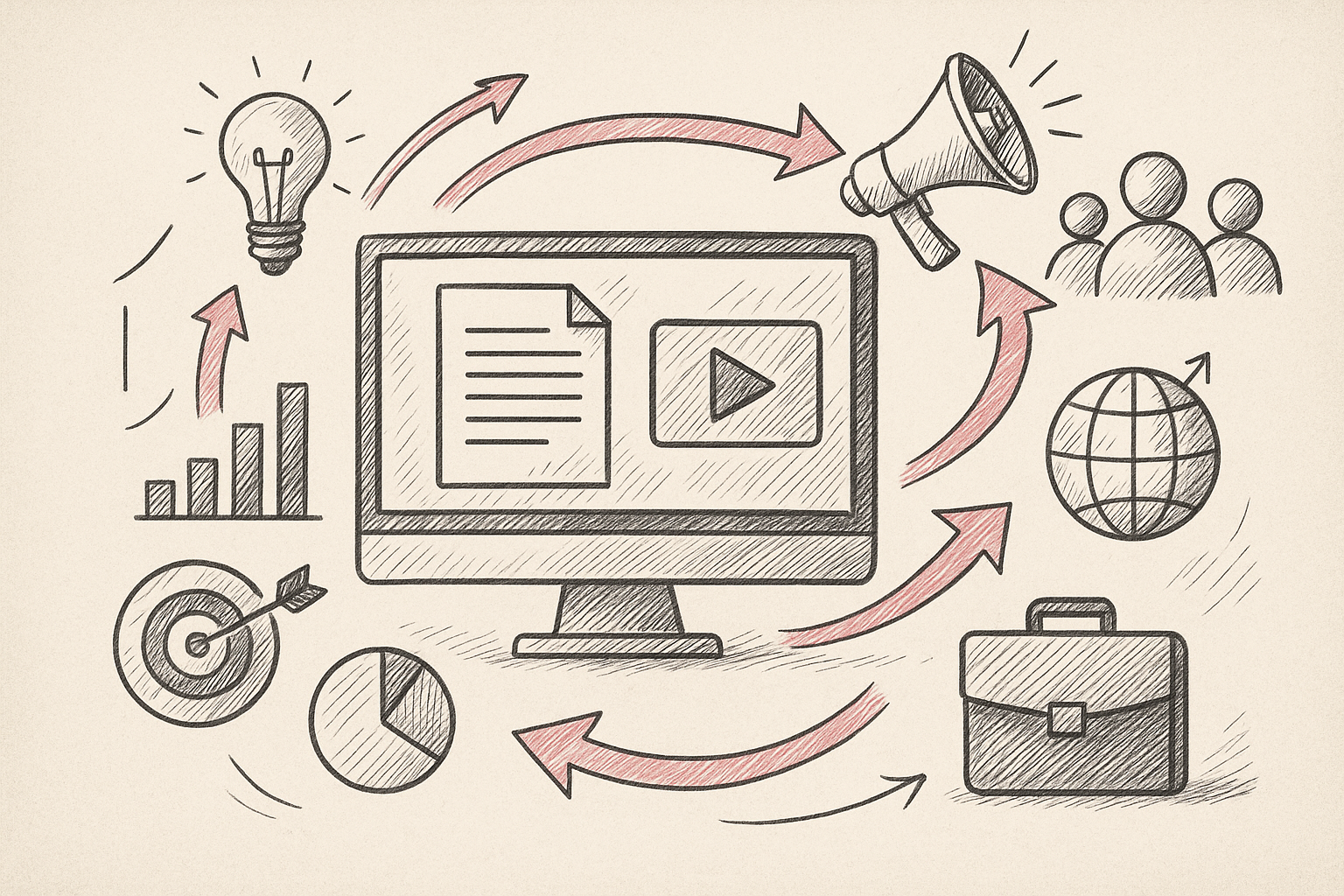
Discover strategies to amplify your B2B content reach and engagement. This article explores effective channels, personalization tactics, and metrics for assessing performance to ensure your content not only reaches but resonates with your target audience.
📑 Table of Contents
- Understanding the B2B Content Distribution Landscape
- Aligning Content with Business Goals
- Optimizing Content for Different Channels
- Leveraging Automation andAIfor Efficient Distribution
- Measuring Success and Optimizing Strategies
- Building Relationships through Consistent Value Delivery
- Actionable Takeaways for Long-Term Success
Understanding the B2B Content Distribution Landscape
In the realm of B2B marketing, content distribution is as critical as the content itself. The right distribution strategy ensures that high-quality content reaches the appropriate audience, enhances brand visibility, and drives business growth. The core of effective content distribution lies in understanding the channels that hold the most potential for your target audience. B2B audiences typically seek detailed, informative content that can assist in decision-making or problem-solving. Channels such as LinkedIn, industry-specific forums, email newsletters, and webinars are particularly potent for B2B contexts due to their professional focus and capability to segment audiences based on professional criteria.
Aligning Content with Business Goals
Before initiating content distribution, align your content strategy with clear business objectives. Whether the goal is lead generation, brand awareness, or customer education, each piece of content should have a purpose that directly contributes to these overarching business goals. This alignment ensures that the content not only resonates with the target audience but also drives them towards a specific business outcome. For instance, whitepapers and case studies are effective for lead generation as they provide in-depth information that can lead to informed decision-making. On the other hand, blogs and articles might be more suited for building thought leadership and brand awareness.
Optimizing Content for Different Channels
Each distribution channel has unique characteristics and audience expectations, necessitating content optimization to maximize its effectiveness. Here's how content can be tailored for a few key B2B distribution channels: - LinkedIn: Opt for professional, insightful content that includes industry analyses, trend discussions, and case studies. Utilize LinkedIn articles and posts to share this content and engage directly with comments to foster community interaction. - Email Newsletters: Segment your audience and personalize content to increase relevance and engagement. Regular newsletters with curated content that addresses the latest industry challenges or innovations can be particularly effective. - Webinars: Provide deep dives into topics that matter to your audience. Interactive elements, such as Q&A sessions, can help in directly addressing audience queries, making the webinars more engaging and useful.
Leveraging Automation and AI for Efficient Distribution
Automation tools and AI can significantly enhance the efficiency and effectiveness of content distribution. Automation platforms can help in scheduling posts across different time zones to maximize reach and engagement. AI can be used to analyze customer data and predict the best times for content distribution, or even personalize content for different segments of your audience. For example, AI-driven analytics tools can analyze which types of content perform best on which platforms and at what times, allowing marketers to optimize their content strategy continuously.
Measuring Success and Optimizing Strategies
The only way to truly understand the effectiveness of a content distribution strategy is through rigorous measurement and analysis. Key performance indicators (KPIs) such as engagement rates, lead generation numbers, and conversion rates are essential metrics to track. - Engagement Rates: Look at likes, shares, comments, and time spent on page to gauge how engaging your content is. - Lead Generation: Track how many leads are generated through each piece of content and the subsequent conversion rates. - Conversion Rates: Measure how effectively content moves leads through the sales funnel. Regular analysis of these metrics provides insights that can be used to refine and optimize the content strategy continuously. Use A/B testing to experiment with different headlines, formats, and visuals to see what resonates best with your audience.
Building Relationships through Consistent Value Delivery
Beyond mere distribution, the goal of B2B content marketing is to build and maintain strong relationships with your audience by consistently delivering value. This involves not only understanding and addressing the current needs of your audience but also anticipating future challenges they might face. Engagement doesn’t end after distributing content. Follow up through emails or social media interactions to gather feedback and continue the conversation. Such interactions can provide valuable insights into your audience’s evolving needs and preferences, allowing you to tailor your content more effectively.
Actionable Takeaways for Long-Term Success
- Know Your Audience: Deeply understand the needs and preferences of your B2B audience. Tailor your content and distribution strategy to meet these needs. - Align with Business Goals: Ensure every piece of content serves a specific business objective. This alignment keeps your content strategy focused and effective. - Optimize for Channels: Customize content for the nuances of each distribution channel. What works on LinkedIn might not work in an email newsletter. - Leverage Technology: Use automation and AI to enhance the efficiency and effectiveness of your distribution efforts. - Measure and Optimize: Regularly track KPIs and adjust your strategies based on data-driven insights. - Build Relationships: Focus on long-term engagement by continuously delivering value and interacting with your audience. By following these principles, B2B marketers can ensure their content distribution strategies remain robust, relevant, and aligned with business objectives, driving sustained marketing success.
Frequently Asked Questions
What are the key elements of an effective content distribution strategy for B2B marketing?
An effective content distribution strategy in B2B marketing should focus on identifying the right channels that reach your target audience, timing your content releases to align with business cycles, and leveraging diverse formats to engage different segments. Key elements include understanding your audience's preferences, using data-driven insights to tailor content, and consistently evaluating and adapting your strategy based on performance metrics and audience feedback.
How can businesses identify the most appropriate channels for content distribution?
Businesses can identify the most appropriate channels for content distribution by analyzing their target audience's online behavior, preferences, and the platforms where they are most active. This involves looking at industry trends, competitor strategies, and leveraging analytics tools to gain insights into where their content is likely to have the most impact. Experimentation and feedback are also crucial in refining channel selection over time.
What role does audience segmentation play in content distribution?
Audience segmentation plays a critical role in content distribution by allowing businesses to tailor their messages and content formats to meet the specific needs and preferences of different groups within their target market. Effective segmentation ensures that content is relevant and engaging, thereby increasing the likelihood of conversion. It also helps in optimizing resource allocation by focusing efforts on the most lucrative segments.
Sources and References
- The Forrester Wave: B2B Marketing Automation Platforms, Q4 2020 - This report from Forrester provides an in-depth analysis of B2B marketing automation platforms, highlighting how automation and AI can enhance content distribution efficiency. It supports the article's discussion on leveraging automation and AI for efficient distribution.
- Content Distribution Strategies for B2B Marketers - This article from the Content Marketing Institute offers practical strategies for distributing content across various channels, supporting the article's section on optimizing content for different channels and aligning content with business goals.
- What B2B Sales Teams Need from Content Marketing - Harvard Business Review discusses the alignment of content marketing with sales objectives in B2B contexts, providing insights that reinforce the article's focus on aligning content with business goals.
- Analyzing the Impact of Content Marketing on B2B Engagement - This academic paper from arXiv.org presents research findings on how content marketing influences B2B audience engagement, offering empirical data that supports the article's discussion on measuring success and optimizing strategies.
- The B2B digital inflection point: How sales have changed during COVID-19 - McKinsey & Company provides analysis on the shift in B2B sales and marketing strategies during the pandemic, including the role of digital content distribution, which is pertinent to understanding the B2B content distribution landscape discussed in the article.
- Using AI to Enhance Content Marketing Strategies - This blog post from Salesforce's developer portal explains how AI can be used to tailor and optimize content for different marketing channels, directly supporting the article's section on leveraging AI for content optimization.