How B2B Marketers Can Boost Engagement Through Content Distribution
Understanding Your Audience for Tailored B2B Content Distribution The foundation of effective B2B content distribution is a deep understanding of your target...

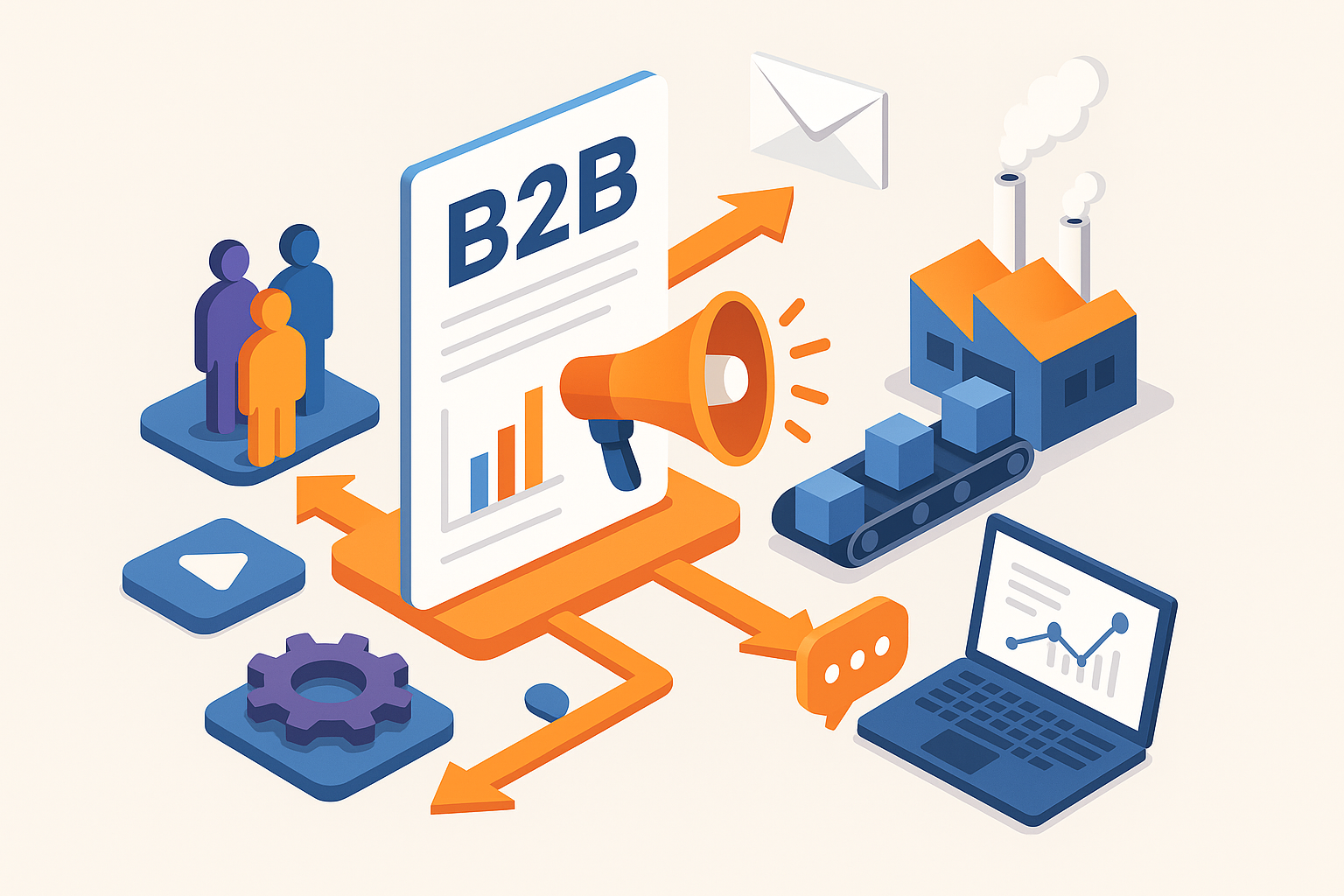
Discover proven strategies for B2B content distribution that enhance reach and engagement. Learn about leveraging networks, optimizing channels, and measuring impact to ensure your content consistently delivers value and drives growth.
📑 Table of Contents
- Understanding Your Audience for Tailored B2BContentDistribution
- Creating High-Impact Content That Resonates
- Optimizing Content for Multi-Channel Distribution
- LeveragingAutomationfor Efficient Distribution
- Building Relationships Through Strategic Partnerships
- Measuring Success and Adapting Strategies
- Practical Takeaways for B2B Content Distributors
Understanding Your Audience for Tailored B2B Content Distribution
The foundation of effective B2B content distribution is a deep understanding of your target audience. Begin by identifying who the decision-makers and influencers in your target companies are. What are their roles, pain points, and preferred content consumption methods? For instance, C-level executives might prefer brief and data-heavy whitepapers or executive summaries, whereas technical specialists might favor detailed case studies or technical guides. Furthermore, consider the channels that your audience frequents. While LinkedIn is often a key platform for B2B interactions, other platforms like Twitter, industry-specific forums, or even YouTube might hold significant sway depending on your audience's sector and preferences. Tailoring your content distribution to these preferences ensures higher engagement and conversion rates.
Creating High-Impact Content That Resonates
The effectiveness of your distribution strategy is only as potent as the content itself. High-impact content in the B2B realm solves problems, educates, and offers substantial value. Ensure that every piece of content, whether an article, video, or whitepaper, addresses specific industry issues or pain points with actionable solutions. To maintain relevance and authority, incorporate data-driven insights and case studies that demonstrate real-world applications of your solutions. This approach not only boosts the credibility of your content but also enhances its shareability among industry professionals who seek proven strategies and results.
Optimizing Content for Multi-Channel Distribution
In today's digital landscape, your content needs to be adaptable across various channels. This means creating content that can be easily repurposed. For instance, a comprehensive industry report can be broken down into blog posts, infographics, podcasts, and even a series of social media posts. Ensure your content is optimized for each channel. This includes formatting articles for easy reading on mobile devices, creating video subtitles for viewers who watch without sound, and using eye-catching visuals for social media posts. Each piece of content should direct the audience towards a clear call to action, such as signing up for a webinar, downloading a whitepaper, or contacting your sales team.
Leveraging Automation for Efficient Distribution
Automation tools can significantly enhance the efficiency and consistency of your content distribution. These tools can help schedule posts across different time zones to ensure maximum visibility and engagement. They can also provide analytics that tracks the performance of each piece of content across every channel, allowing for real-time adjustments to your strategy. Moreover, automation can help personalize content delivery based on user behavior and preferences, which is crucial in building relationships in the B2B sector. Personalized emails that address a recipient by name and reference their specific interests can dramatically increase open and conversion rates.
Building Relationships Through Strategic Partnerships
Collaborating with other businesses or influential industry figures can amplify your content's reach and credibility. Look for partnership opportunities with businesses that offer complementary services or products. Joint webinars, co-authored whitepapers, and shared case studies are effective ways to leverage partnerships for content distribution. Additionally, engaging with thought leaders and industry influencers can help your content gain significant traction. Influencers can extend your content's reach to their followers, who are likely to be your target audience, thereby enhancing both visibility and trust in your brand.
Measuring Success and Adapting Strategies
To ensure your content distribution strategy remains effective, it’s essential to continuously measure its performance and adapt based on the results. Key performance indicators (KPIs) such as engagement rates, lead generation numbers, and conversion rates can provide valuable insights into what works and what doesn't. Use analytics tools to track how different types of content perform on various channels. This data not only helps in refining your content strategy but also in optimizing your distribution efforts to focus more on high-performing channels and formats.
Practical Takeaways for B2B Content Distributors
Remember that effective B2B content distribution is not a set-it-and-forget-it process. It requires ongoing adjustments and optimizations based on audience behavior and market trends. Stay proactive by: - Continuously updating your understanding of your target audience’s preferences and behaviors. - Creating versatile, high-value content that addresses specific industry needs. - Utilizing automation tools for more personalized and timely content delivery. - Fostering strategic partnerships to expand your content’s reach and credibility. - Regularly measuring the impact of your distribution strategies and adapting as necessary. By implementing these strategies, you can ensure that your B2B content distribution efforts are as effective and impactful as possible.
Frequently Asked Questions
What are the key elements of an effective B2B content distribution strategy?
An effective B2B content distribution strategy should focus on identifying the right channels that align with the target audience's preferences and industry norms. This includes leveraging a mix of owned, earned, and paid media. Key elements include understanding the audience deeply, creating high-quality and relevant content, employing SEO best practices, using email marketing effectively, and measuring performance to refine the strategy continuously.
How can I tailor my content distribution to different segments of my audience?
Tailoring content distribution involves segmenting your audience based on various criteria such as industry, job role, pain points, and where they are in the buying cycle. Once segmented, customize your content to meet the specific needs and preferences of each group. Utilize targeted delivery methods, like personalized email campaigns, industry-specific publications, or specialized online communities, to ensure your content reaches and resonates with the intended segments.
What metrics should I track to evaluate the success of my B2B content distribution?
To effectively evaluate the success of your B2B content distribution, focus on metrics that reflect engagement, reach, and conversion. These include website traffic, time spent on page, click-through rates, social media shares, lead generation numbers, and actual sales conversions. Tracking these metrics will provide insights into how well your content is performing and which channels are most effective, helping you optimize future distribution efforts.
Sources and References
- The Forrester Wave: B2B Content Platforms Q2 2021 - This Forrester report evaluates top B2B content distribution platforms, providing insights into how different technologies aid in effectively distributing tailored content across various channels. It supports the section on leveraging automation for efficient distribution by detailing specific platforms' capabilities and performance.
- 2021 B2B Content Marketing Benchmarks, Budgets, and Trends - This comprehensive report from the Content Marketing Institute offers data and trends on how B2B marketers tailor content to their audience and the impact of strategic content creation. It underpins discussions on creating high-impact content that resonates with a B2B audience and optimizing content for multi-channel distribution.
- Building Strong Partnerships in a Remote World - Harvard Business Review article that explores the dynamics of building and maintaining strategic partnerships in a remote or digital environment. This source is particularly relevant to the section on building relationships through strategic partnerships, offering strategies and real-world examples.
- Artificial Intelligence and Its Role in Near Real-Time Content Distribution - A research paper hosted on arXiv providing in-depth analysis on how AI technologies are being integrated into content distribution networks to enhance efficiency and personalization. This supports the article's discussion on leveraging AI for content distribution within the B2B sector.
- A Technology Blueprint for Personalization at Scale - McKinsey & Company's insights on how businesses can scale their content personalization efforts effectively. This source validates the article's points on optimizing content for multi-channel distribution by using technology to personalize content at scale.
- Google Marketing Platform - Official documentation and insights on using Google's marketing tools for effective content distribution. This supports the article's sections on optimizing content for multi-channel distribution by illustrating how to leverage Google's suite of tools to enhance content reach and engagement.
- What is B2B Marketing? - A foundational article by Salesforce explaining the core principles and strategies of B2B marketing, including audience understanding and content distribution. This provides a broad overview that supports the entire narrative of the article, especially the section on understanding your audience for tailored B2B content distribution.