How B2B Content Distribution Boosts Your Brand's Reach
In business-to-business (B2B) markets, content distribution isn't just about spreading information; it's about reaching the right audience with the right...

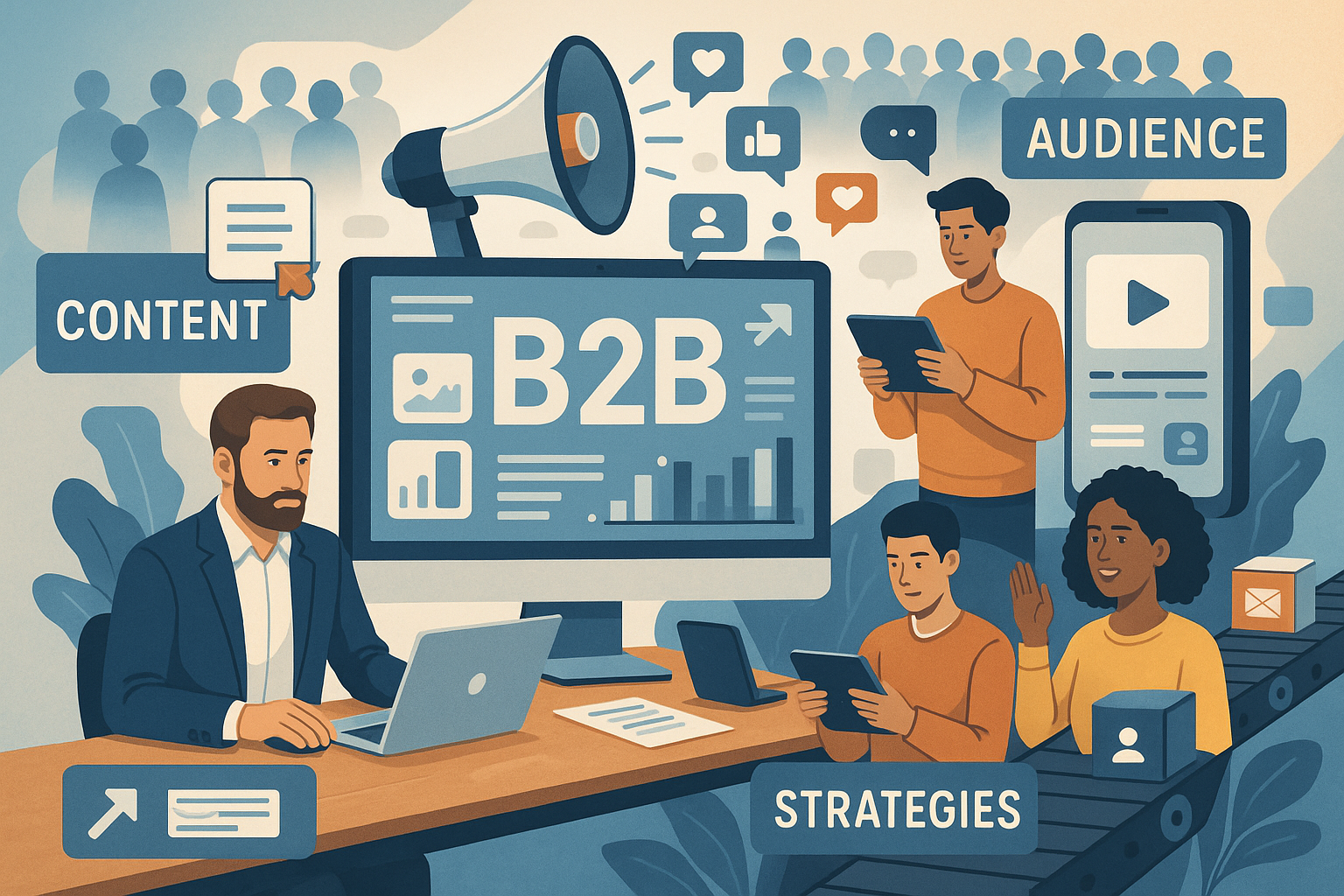
Learn to amplify your B2B content's reach with proven distribution strategies. This article explores diverse channels, integration techniques, and analytics-driven decisions to enhance your visibility and engagement. Dive into methods that bridge content with your target audience effectively.
📑 Table of Contents
- Understanding the B2BContentDistribution Landscape
- Optimizing Content for Different Channels
- Email Marketing
- Social Media Platforms
- Webinars and Virtual Events
- LeveragingSEOfor Increased Visibility
- Integrating Paid Media into Your Strategy
- Measuring Success and Adjusting Strategies
- Building Relationships through Consistent Engagement
- Practical Takeaway
Understanding the B2B Content Distribution Landscape
In business-to-business (B2B) markets, content distribution isn't just about spreading information; it's about reaching the right audience with the right message at the right time. Effective distribution strategies hinge on understanding both the channels that reach your target audience and the methods to engage them effectively. This involves a deep dive into the types of content these audiences prefer, the platforms where they spend their time, and the decision-making process they follow.
Data-driven insights suggest that B2B decision-makers primarily seek content that directly addresses their challenges and offers tangible solutions. Thus, the focus should be on creating content that is not only informative but also practical and directly applicable to their business needs.
Optimizing Content for Different Channels
Each distribution channel offers unique advantages and requires specific content adjustments to maximize engagement. Here’s how to tailor content for some of the most effective B2B content distribution channels: Learn more at semrush.com SEO tools
Email Marketing
Email remains a powerful tool for direct communication with B2B audiences. Personalization and segmentation are key strategies. Use data analytics to segment your audience based on their interests, industry, or engagement level, and tailor your emails to speak directly to these segments. This approach not only enhances engagement but also boosts the relevance of the content.
Social Media Platforms
While LinkedIn is often the go-to for B2B marketers, other platforms like Twitter and industry-specific forums can also be valuable. The key is creating platform-specific content that leverages the unique features of each platform. For example, LinkedIn articles allow for longer, more detailed content, while Twitter is ideal for quick, impactful statements and links back to more comprehensive content.
Webinars and Virtual Events
These platforms provide an opportunity for real-time engagement. They are ideal for deep dives into topics that are too complex for shorter content forms. Plus, the interactive element allows for immediate feedback and Q&A sessions, which can provide valuable insights into your audience's interests and concerns.
Leveraging SEO for Increased Visibility
Search Engine Optimization (SEO) is crucial for ensuring that your content is discoverable by the right audience. Focus on keyword research to understand the terms and queries your target audience uses when seeking solutions to their problems. Incorporate these keywords naturally into your content, including titles, headers, and body text, to improve search engine rankings and visibility.
Moreover, SEO isn't just about keywords; it's also about content quality and user engagement. Ensure your content is comprehensive and answers the questions your audience might have. This not only helps in ranking but also establishes your brand as a credible authority in your field.
Integrating Paid Media into Your Strategy
Paid media can amplify your reach and help you engage with a more targeted audience. This includes pay-per-click (PPC) advertising, social media ads, and sponsored content on relevant industry sites.
Strategically, it's important to align your paid media efforts with your organic content strategy. Use insights from your organic content's performance to inform your paid campaigns. For instance, if a particular piece of content is performing well organically, promoting it through paid channels can amplify its reach significantly.
Measuring Success and Adjusting Strategies
Tracking the performance of your content distribution strategies is essential to understand what works and what doesn't. Use metrics such as website traffic, engagement rates, lead generation, and conversion rates to gauge success. Tools like Google Analytics, social media analytics, and email marketing platforms provide comprehensive data to help you measure these metrics.
However, the key is not just in measuring but also in using these insights to refine and optimize your distribution strategy. Regularly review your analytics to identify trends and patterns, and be ready to pivot your strategy based on what the data tells you about your audience's changing preferences and behaviors.
Building Relationships through Consistent Engagement
Finally, successful B2B content distribution is as much about building relationships as it is about disseminating information. Consistent engagement through regular updates, responses to comments and inquiries, and ongoing dialogue with your audience helps build trust and fosters loyalty.
Implement a schedule for regular content updates and interactions. Use feedback from these interactions to further tailor your content and distribution efforts, ensuring that your audience finds continual value in your offerings.
Practical Takeaway
To maximize reach and impact in B2B content distribution, integrate a mix of organic and paid strategies tailored to the specific preferences and behaviors of your target audience. Continuously measure and refine your strategies based on data-driven insights, and focus on building lasting relationships through consistent, high-quality engagement. By staying adaptable and audience-focused, you ensure that your content distribution efforts yield strong, sustainable results.
Frequently Asked Questions
What are the key elements of an effective B2B content distribution strategy?
An effective B2B content distribution strategy should focus on understanding the target audience, selecting the right distribution channels, and continuously measuring and optimizing the performance. Key elements include developing buyer personas, choosing a mix of channels (like social media, email newsletters, and industry publications) that align with where the audience consumes content, and utilizing analytics to track engagement and adjust tactics accordingly. Strategic content repurposing and leveraging partnerships for co-distribution can also enhance reach and effectiveness.
How can you measure the success of your B2B content distribution efforts?
Measuring the success of B2B content distribution involves tracking a variety of metrics such as reach, engagement, lead generation, and ultimately sales conversion. Key performance indicators (KPIs) might include website traffic, download numbers, social media shares and likes, click-through rates, and the quality of leads generated. Tools such as web analytics, social media analytics, and CRM systems can provide valuable data to assess effectiveness and guide future strategies.
What strategies can be employed to increase audience engagement with distributed content?
To increase audience engagement, focus on creating high-quality, relevant content tailored to the interests and needs of the target audience. Utilizing interactive elements like infographics, videos, and quizzes can boost engagement levels. Encouraging user interaction through calls-to-action, fostering discussions on social media, and personalizing content to address specific audience segments are also effective strategies. Regularly updating content to keep it fresh and relevant, as well as responding to feedback, can further enhance engagement.
Sources and References
- Effective B2B Content Distribution Strategies - This article from the Content Marketing Institute provides a detailed overview of various content distribution strategies specifically tailored for B2B companies. It supports the main headings of the article by offering insights into optimizing content across different channels, which is crucial for reaching a targeted professional audience.
- What B2B Sales Teams Need from Content Marketing - Harvard Business Review discusses the alignment of content marketing with sales objectives in a B2B context. This source is particularly relevant to understanding how content distribution strategies can be designed to support B2B sales and marketing goals, which ties into the discussion of audience engagement and content optimization in the article.
- The Forrester Wave: B2B Marketing Automation Platforms - Forrester's report provides an analysis of top marketing automation platforms that are essential for distributing content effectively in a B2B setting. This supports the article's section on using technology to enhance content reach and engagement through automated distribution channels.
- Analyzing the Effectiveness of Content Distribution in B2B Networks - This academic paper from arXiv.org offers empirical data and analysis on how content distribution impacts B2B networks. It provides the scientific backing needed to validate the strategies discussed in the article, especially in terms of measuring engagement and optimizing content for different channels.
- The Digital-Led Recovery from COVID-19: Five Questions for CEOs - McKinsey & Company's insights into how digital strategies, including content distribution, are essential for business recovery and growth post-COVID-19. This source adds depth to the discussion on adapting B2B content strategies in changing economic climates, which is crucial for the article's focus on maximizing content reach.
- How AI is Transforming B2B Marketing - This blog post on Salesforce's developer site explores the role of AI in enhancing B2B marketing strategies, including content distribution. It supports the article's section on leveraging AI for content optimization and personalization, providing a technological perspective to the strategies discussed.