How B2B Companies Can Boost Sales with Effective Lead Nurturing Strategies
Lead nurturing stands as a pivotal process in B2B marketing, where businesses aim to develop relationships with potential clients at every stage of the sales...

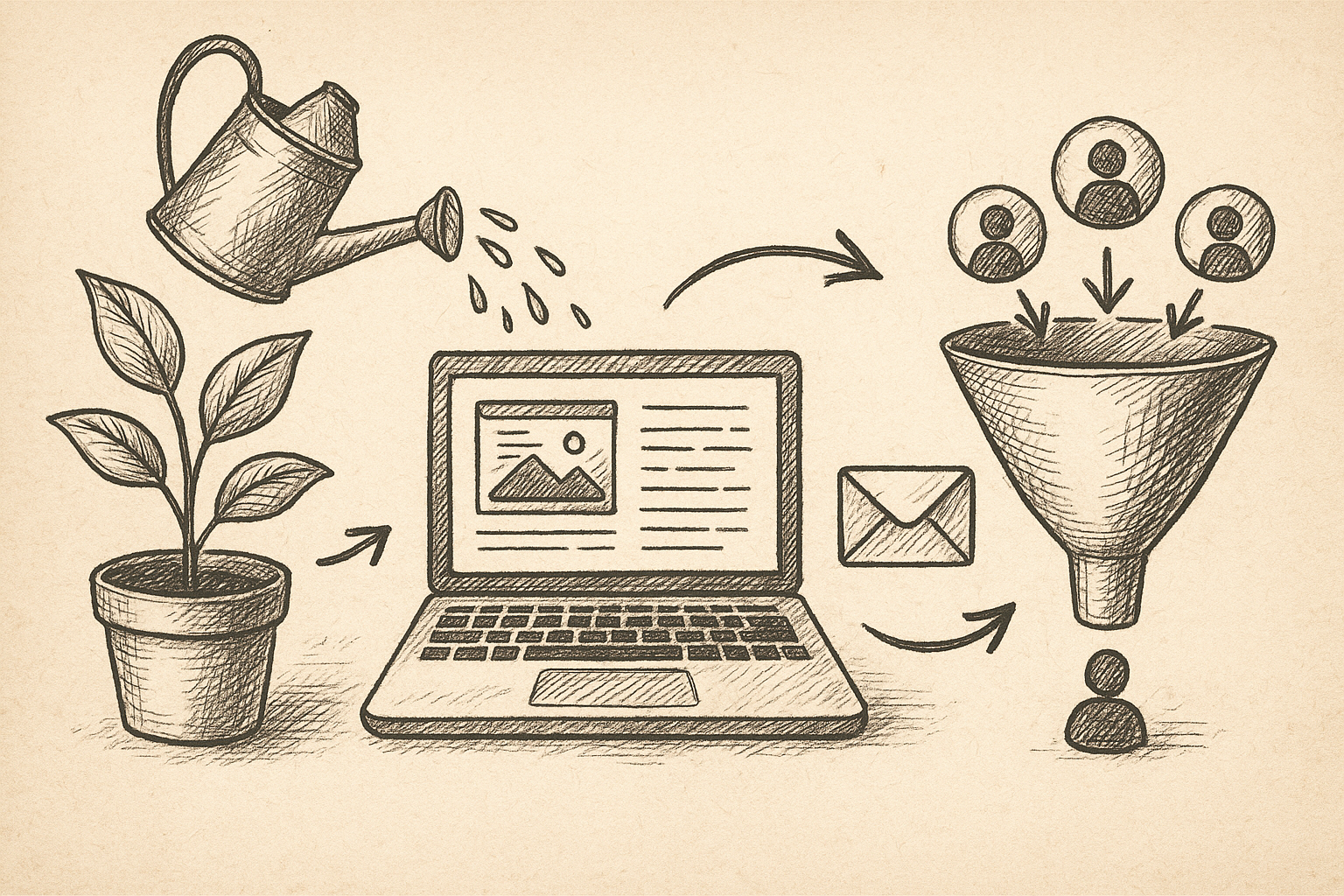
Discover how to convert prospects into loyal customers with effective B2B lead nurturing strategies. Learn the essentials of personalized communication, the importance of timely follow-ups, and how to leverage analytics for better results. Dive into techniques that enhance engagement and conversion.
📑 Table of Contents
- Understanding the Importance of Lead Nurturing in B2B
- Identifying and Segmenting Your Target Audience
- Utilizing Behavioral Data
- Developing a Content Strategy That Aligns With Buyer Needs
- Mapping Content to the Buyer’s Journey
- Integrating Multi-Channel Lead Nurturing Techniques
- Optimizing Email for Lead Nurturing
- LeveragingAutomationand CRM Tools
- Measuring Success and Optimizing Strategies
- Continuous Improvement Through A/B Testing
- Practical Takeaways for Implementing Lead Nurturing in B2B
Understanding the Importance of Lead Nurturing in B2B
Lead nurturing stands as a pivotal process in B2B marketing, where businesses aim to develop relationships with potential clients at every stage of the sales funnel. Unlike B2C models, B2B transactions are often characterized by longer sales cycles and higher order values, making the nurturing process crucial for converting leads into loyal customers. Effective lead nurturing builds trust and awareness, not by pushing a sale, but by offering valuable content and solutions that align with the unique needs and timing of each lead.
Identifying and Segmenting Your Target Audience
Segmentation is the cornerstone of any successful lead nurturing strategy. It involves dividing your audience into distinct groups based on specific criteria such as industry, company size, role in the company, or their stage in the buying cycle. This tailored approach ensures that the content and communications are relevant, thereby increasing the likelihood of engagement and conversion. Tools such as CRM software can aid in efficiently segmenting your audience by collecting and analyzing data on your leads’ behaviors and preferences.
Utilizing Behavioral Data
Behavioral data offers insights into the actions that leads take when interacting with your content and channels. This includes pages visited, content downloaded, and emails opened. Using this data helps refine your segmentation and personalize your outreach, making your interactions more impactful.
Developing a Content Strategy That Aligns With Buyer Needs
Content is a primary driver in lead nurturing. It educates, informs, and engages your audience, gradually guiding them through the buyer’s journey. The content strategy should focus on providing value through whitepapers, case studies, blogs, and webinars that address common challenges and questions your leads face. Each piece of content should be designed with a specific segment in mind, ensuring it is highly relevant and tailored to the needs of that group.
Mapping Content to the Buyer’s Journey
Understanding the stages of the buyer’s journey—awareness, consideration, and decision—is crucial in aligning your content appropriately. For instance, during the awareness stage, educational content such as blog posts and infographics are more appropriate, whereas, in the decision stage, detailed case studies and product comparisons will be more effective.
Integrating Multi-Channel Lead Nurturing Techniques
Today’s digital landscape requires a multi-channel approach to lead nurturing. This means engaging with leads not just through email, but also via social media, personalized retargeting, direct mail, and even phone calls where appropriate. Each channel offers unique advantages and can be used at different stages of the nurturing process to optimize engagement. For example, social media can be used for initial engagement and awareness, while email might be more effective for delivering personalized, in-depth content as leads move closer to a purchase decision.
Optimizing Email for Lead Nurturing
Email remains a powerful tool for personalized communication. Automated email campaigns should be set up to trigger based on specific actions taken by the lead. This could include a follow-up email when a lead downloads a whitepaper or a check-in email if a lead has not engaged for a specified period of time. Each email should be crafted with a clear call to action and designed to provide value, steering clear of overt sales pitches.
Leveraging Automation and CRM Tools
Automation plays a significant role in streamlining the lead nurturing process. By leveraging CRM and marketing automation tools, businesses can set up complex workflows that respond to lead behaviors in real-time, delivering targeted content and communications without manual intervention. These tools also provide valuable insights into the effectiveness of different strategies and content, allowing for continual optimization of the lead nurturing process.
Measuring Success and Optimizing Strategies
Measuring the effectiveness of lead nurturing strategies is essential for continuous improvement. Key performance indicators (KPIs) such as click-through rates, conversion rates, and ROI provide a quantifiable measure of success. Regularly analyzing these metrics allows marketers to identify what is working and what isn’t, enabling them to adjust their strategies accordingly.
Continuous Improvement Through A/B Testing
A/B testing is a valuable tool for optimizing lead nurturing campaigns. By testing different versions of emails, landing pages, or even call-to-action buttons, marketers can fine-tune their efforts based on what resonates best with their audience. This iterative process ensures that the lead nurturing strategies remain effective and relevant over time.
Practical Takeaways for Implementing Lead Nurturing in B2B
Implementing effective lead nurturing strategies requires a deep understanding of your audience, personalized and valuable content, and the use of technology to automate and measure your efforts. Begin by segmenting your audience to ensure relevancy, then develop a content strategy that directly addresses the needs and pain points of each segment. Utilize a multi-channel approach to engage leads at different stages of their journey and leverage automation tools to deliver timely, relevant content efficiently. Finally, continually measure and optimize your strategies based on concrete data to maximize the effectiveness of your lead nurturing efforts. By focusing on these fundamental elements, B2B marketers can build stronger relationships with potential customers, ultimately leading to increased sales and customer loyalty.
Frequently Asked Questions
What is lead nurturing and why is it important for B2B companies?
Lead nurturing is the process of developing and reinforcing relationships with buyers at every stage of the sales funnel. In B2B contexts, it involves understanding the needs and timelines of business clients and providing them with valuable content and interactions to build trust and readiness to buy. This practice is crucial because it helps convert initial leads into loyal customers by maintaining engagement and relevance, ultimately impacting the bottom line positively.
What are the key elements of an effective lead nurturing strategy?
An effective lead nurturing strategy should include targeted content, multi-channel nurturing, timely follow-ups, and personalized experiences. Targeted content ensures that the material is relevant to the lead’s industry and stage in the buying process. Utilizing multiple channels such as email, social media, and webinars helps maintain contact and engagement. Timely follow-ups are crucial to keep your brand at the forefront of a lead's mind, and personalized experiences foster a stronger connection and relevance to the lead's specific needs and interests.
How can email be used effectively in lead nurturing?
Email is a powerful tool for lead nurturing due to its direct and personal nature. To use it effectively, businesses should focus on crafting personalized and valuable content that addresses the specific needs and interests of the recipient. Segmenting email lists based on user behavior and demographics allows for more tailored messaging. Additionally, integrating automated workflows can help deliver content at optimal times during the lead’s journey, encouraging progression through the sales funnel.
Sources and References
- The Forrester Wave™: Lead-To-Revenue Management Platform Vendors - This report by Forrester provides an in-depth analysis of lead nurturing technologies and strategies, supporting the section on utilizing behavioral data to enhance B2B lead nurturing efforts. It offers insights into how different platforms can help tailor content and communication based on user behavior.
- Designing a Marketing Organization for the Digital Age - This Harvard Business Review article discusses organizational strategies for digital marketing, supporting the article's section on developing a content strategy that aligns with buyer needs. It emphasizes the importance of structuring teams around customer journeys and integrating data analytics for effective content delivery.
- Developing a Content Marketing Strategy - Provided by the Content Marketing Institute, this resource supports the article's discussion on mapping content to the buyer’s journey. It gives practical advice on creating content that addresses different stages of the buyer's journey, enhancing the effectiveness of lead nurturing programs in B2B contexts.
- HubSpot Marketing Statistics - This collection of marketing statistics from HubSpot offers data that validates the importance of lead nurturing in B2B marketing, as discussed in the article. It includes specific metrics on how lead nurturing impacts sales and customer retention, providing empirical support for strategic decisions in lead management.
- Artificial Intelligence and Its Implications for Market Segmentation - This academic paper from arXiv provides foundational research on the use of AI in market segmentation, supporting the article's section on identifying and segmenting your target audience. It explores how AI technologies can enhance the accuracy and efficiency of market segmentation processes in B2B marketing.
- Effective Lead Nurturing Strategies from Salesforce - Salesforce offers a guide on effective lead nurturing strategies, directly supporting the article's overall theme. It provides practical tips and case studies on how businesses can implement lead nurturing to move leads through the sales funnel successfully.