How a B2B Loyalty Program Can Boost Your Customer Retention Rates
Understanding the Value of B2B Loyalty Programs Loyalty programs are not just for B2C companies. In the business-to-business (B2B) sector, they serve as a...

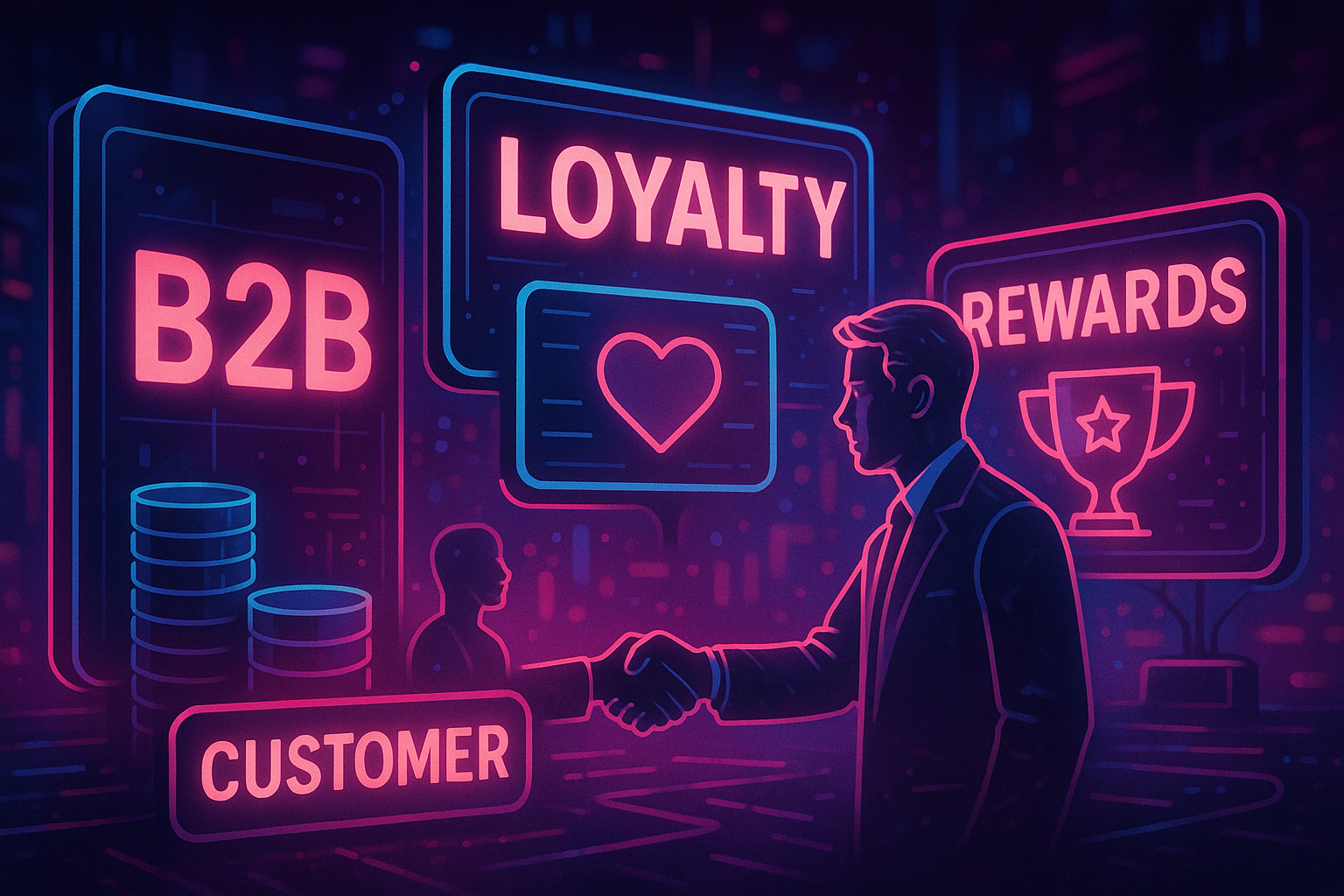
Explore how implementing a B2B loyalty program can enhance customer retention. This article covers strategic benefits, key steps for setup, and best practices to maintain engagement and maximize value from your client relationships.
📑 Table of Contents
- Understanding the Value of B2B Loyalty Programs
- Designing a B2B Loyalty Program
- Assessing Customer Needs and Expectations
- Structuring the Rewards System
- Integrating Technology in Loyalty Programs
- Marketing Your B2B Loyalty Program
- Effective Communication Strategies
- Personalization and Segmentation
- Measuring Success and Making Adjustments
- Overcoming Potential Challenges
- Ensuring Relevance and Alignment
- Managing Costs
- Practical Takeaways for Implementing B2B Loyalty Programs
Understanding the Value of B2B Loyalty Programs
Loyalty programs are not just for B2C companies. In the business-to-business (B2B) sector, they serve as a powerful tool to enhance customer retention, increase customer lifetime value, and drive deeper engagement. Unlike B2C loyalty programs, which often focus on points and direct rewards, B2B loyalty programs are built on the foundation of mutual business growth and value-added services. These programs help solidify partnerships by aligning the interests of both parties and ensuring that engagements are mutually beneficial.
Designing a B2B Loyalty Program
Assessing Customer Needs and Expectations
The first step in creating an effective loyalty program is understanding what drives your customers. This involves deep market research and possibly direct interviews or surveys with current clients to gather insights about their challenges, needs, and how they measure value. Common incentives in B2B loyalty programs include access to exclusive services, customized solutions, and priority support.
Structuring the Rewards System
The rewards system should be designed to encourage long-term relationships and frequent engagement. This can be achieved by offering tiered rewards that increase in value as customers meet certain thresholds of spending or engagement, incentivizing them to consolidate more of their business with you. It’s crucial to ensure that the rewards are relevant and provide real value to B2B clients, such as opportunities for business growth, training for their staff, or access to industry events.
Integrating Technology in Loyalty Programs
To manage a B2B loyalty program effectively, robust technology integration is essential. This includes systems for tracking customer activities, managing rewards, and analyzing the effectiveness of the program. CRM (Customer Relationship Management) systems are particularly valuable in this context as they can help track all interactions with customers, manage rewards redemptions, and personalize communication based on the customer’s history and preferences. Automation plays a crucial role here by ensuring that points are awarded in real-time and that notifications and updates are sent automatically, which helps in maintaining engagement without requiring constant manual intervention.
Marketing Your B2B Loyalty Program
Effective Communication Strategies
Once your loyalty program is designed, communicating its benefits effectively to your existing and potential customers is crucial. This involves clear, concise, and compelling messaging that highlights the unique benefits of your program. It is also important to use diverse channels to spread the word, including email marketing, social media, direct mail, and personal selling through your sales team.
Personalization and Segmentation
Personalization is key in B2B marketing. Segment your audience based on their size, industry, purchasing behavior, and needs, and tailor your messaging to speak directly to each segment’s unique challenges and how your loyalty program can address them. This not only increases the relevance of your message but also the likelihood of engagement.
Measuring Success and Making Adjustments
To ensure the ongoing success of your loyalty program, continuous measurement and refinement are necessary. Key performance indicators (KPIs) such as retention rate, average order value, frequency of purchases, and program participation rate provide insight into the program’s impact on customer behavior. Additionally, gathering feedback directly from participating clients can provide qualitative data on the program’s effectiveness and how it might be improved. This feedback loop is crucial in making iterative adjustments that keep the program aligned with customer needs and business objectives.
Overcoming Potential Challenges
Ensuring Relevance and Alignment
One of the main challenges in maintaining a B2B loyalty program is ensuring that it continues to be relevant and aligned with customer expectations and market conditions. This requires regular reviews and updates to the program, which might involve introducing new rewards, adjusting the points system, or even overhauling the program’s structure based on feedback and changing market trends.
Managing Costs
Another significant challenge is the cost management of the loyalty program. It’s important to carefully balance the cost of the rewards and administration against the financial return. This requires not just careful planning but also ongoing monitoring to ensure that the program is delivering a positive ROI.
Practical Takeaways for Implementing B2B Loyalty Programs
When executed well, B2B loyalty programs can transform customer relationships into partnerships that drive substantial business value. Start with a deep understanding of your customers, design a program that offers tangible benefits, integrate the necessary technology for seamless management, and ensure clear communication. Measure the impact continuously and be prepared to make adjustments to maintain its relevance and effectiveness. By focusing on these strategic elements, you can build a B2B loyalty program that not only retains customers but also actively contributes to your business growth.
Frequently Asked Questions
What are the key components of a successful B2B loyalty program?
A successful B2B loyalty program typically includes several key components: personalized rewards, tiered membership levels, clear and attainable rewards, consistent communication, and robust data tracking. Personalization enhances customer engagement by catering to specific business needs. Tiered memberships encourage more purchases and deeper loyalty as customers climb the ranks. Clear rewards and communication keep customers informed and motivated, while data tracking helps in refining the program based on customer behavior and preferences.
How can B2B loyalty programs enhance customer retention?
B2B loyalty programs enhance customer retention by providing value beyond the basic offerings of a business. They create a compelling reason for ongoing engagement, rewarding customers for repeat purchases which can increase customer lifetime value. Moreover, these programs can foster a stronger emotional connection with the brand by recognizing and appreciating customer loyalty, which in turn reduces the likelihood of switching to competitors.
What are the challenges in implementing a B2B loyalty program?
Implementing a B2B loyalty program can present several challenges including complexity in program design, ensuring alignment with business objectives, integration with existing systems, achieving stakeholder buy-in, and maintaining the program cost-effectively. Addressing these challenges requires careful planning, a clear understanding of customer needs, and continuous program evaluation and adjustment.
Sources and References
- Unlocking the Power of Data in Sales - This McKinsey report provides insights on how integrating technology, such as data analytics, enhances B2B loyalty programs by predicting customer behavior and personalizing rewards. It supports the section on integrating technology in loyalty programs, offering evidence on the effectiveness of data-driven strategies in customer retention.
- Designing a B2B Loyalty Program That Drives Value - Harvard Business Review article that explores key strategies in designing effective B2B loyalty programs. It supports the article's discussion on structuring the rewards system and assessing customer needs, providing a framework for creating value-driven loyalty initiatives.
- The Business Impact Of Customer Experience 2022 - Forrester's analysis details how customer experience improvements, including loyalty programs, directly correlate with increased customer retention and satisfaction in B2B settings. This source is pivotal for the section on assessing customer needs and expectations.
- Artificial Intelligence and the Future of B2B Marketing - A comprehensive study from Arxiv.org that discusses the role of AI in transforming marketing strategies in B2B sectors. This research supports the article's discussion on the use of AI and technology in loyalty programs, providing academic backing to the technological integration strategies mentioned.
- State of the Connected Customer - Salesforce research report that highlights how digital transformation influences B2B customer expectations and loyalty. It provides data and analysis that reinforce the article's points on the necessity of integrating technology in loyalty programs to meet modern customer demands.
- How Data Drives Decision Making in Content Strategy - This article from the Content Marketing Institute discusses the importance of data in crafting content strategies that appeal to B2B audiences, relevant to designing loyalty programs that resonate with targeted customer bases. It supports the article's emphasis on data-driven decision making in loyalty program design.