Craft Unique Blog CTAs That Boost Conversion Without Feeling Generic
Conversion-focused Calls to Action (CTAs) are a critical component in the toolbox of any digital marketer. To craft CTAs that resonate and compel action...

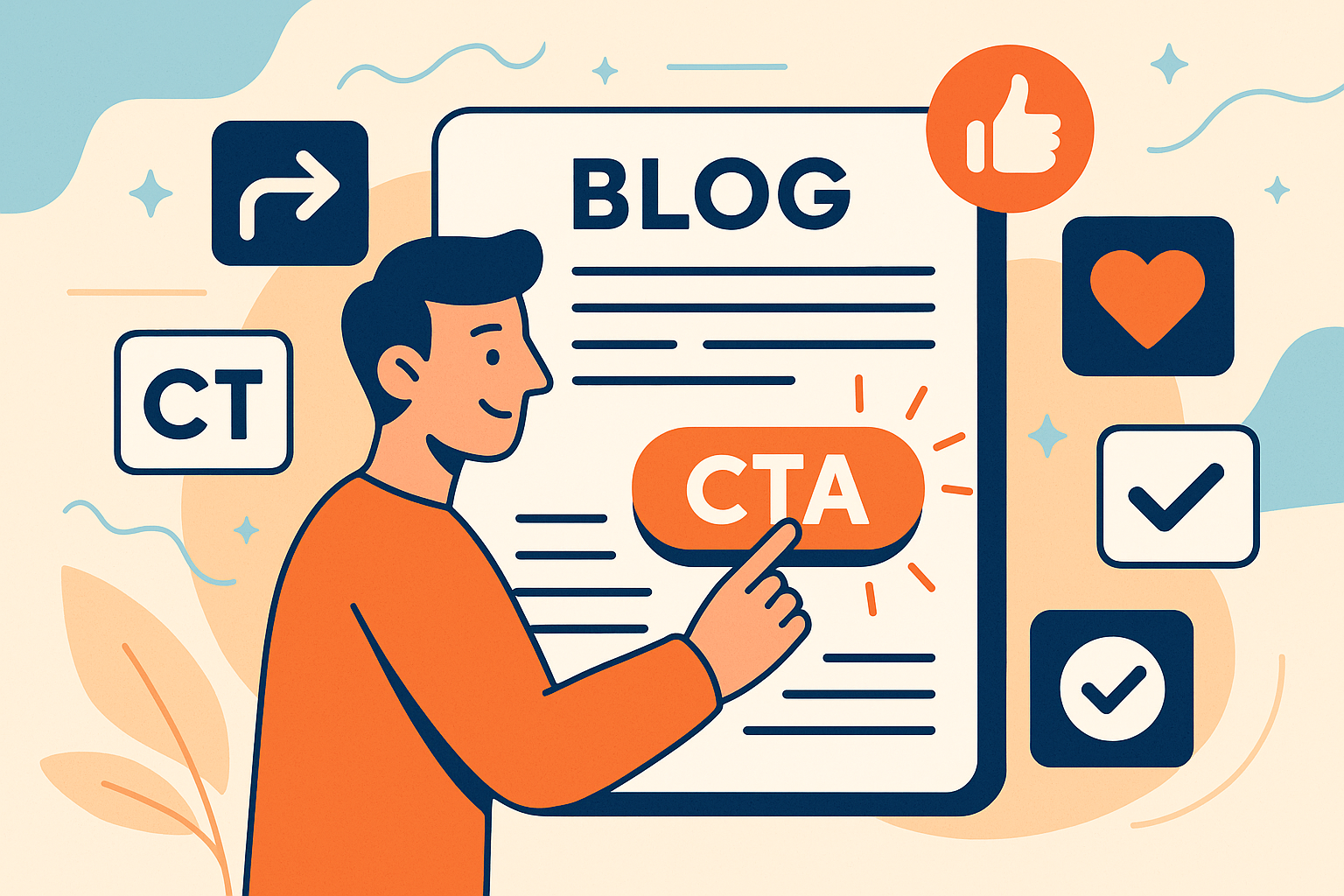
Discover how to craft unique and compelling blog CTAs that convert without feeling generic. Learn the secrets to seamlessly integrating calls-to-action that resonate with readers and drive engagement.
📑 Table of Contents
- Understanding the Psychology Behind Effective CTAs
- Personalizing CTAs to Enhance UserEngagement
- Designing CTAs with Visual Impact
- Optimizing CTA Copy for Clarity and Impact
- Integrating CTAs Seamlessly into Content
- Leveraging A/B Testing to Refine CTA Performance
- Practical Takeaway: Crafting CTAs That Convert
Understanding the Psychology Behind Effective CTAs
Conversion-focused Calls to Action (CTAs) are a critical component in the toolbox of any digital marketer. To craft CTAs that resonate and compel action without feeling generic, it's essential to understand the psychological triggers that influence human behavior. Techniques such as using action-oriented verbs, creating a sense of urgency, and offering something of clear value can dramatically increase the effectiveness of your blog CTAs. For instance, phrases like "Grab your free ebook now!" tap into users' fear of missing out (FOMO), while "Join 20,000+ subscribers" leverages social proof, making the CTA more appealing and trustworthy.
Personalizing CTAs to Enhance User Engagement
Personalization is more than just adding a reader's name to your message. It involves tailoring the CTA based on the behavior, interests, and past interactions of your audience. Data analytics tools can help identify patterns and preferences in visitor behavior, enabling marketers to segment their audience effectively. For example, if a visitor has previously shown interest in specific topics, your CTA can offer more content in those areas. A personalized CTA like "Continue discovering more about [Topic]" can feel more relevant and less intrusive than a generic "Click here."
Designing CTAs with Visual Impact
The visual design of a CTA can significantly impact its effectiveness. Contrast, size, and placement play pivotal roles. Ensure your CTA stands out with a contrasting color from the rest of your page to draw attention. Moreover, the size should be large enough to be noticed but not so large that it disrupts the user experience. Optimal placement also matters; for example, placing a CTA both above the fold and at the end of a blog post can capture attention early on and re-engage at the conclusion of the reading. Learn more at Stanford AI research
Optimizing CTA Copy for Clarity and Impact
The wording of your CTA affects its clarity and ability to motivate a response. Every word should convey value and encourage an action. Instead of the overused "Click here," specify what visitors will get by taking the action. "Get instant access to the guide" instantly tells readers what to expect, making the CTA compelling. Testing different versions of your CTA can also reveal what resonates best with your audience. This approach ensures that the language you choose consistently aligns with user expectations and preferences.
Integrating CTAs Seamlessly into Content
Your CTA shouldn't feel like an interruption. Integrating your CTA seamlessly into your blog content can make it feel more like a natural next step rather than a forced interjection. This can be achieved by ensuring that your CTA is contextually relevant to the content. For instance, if your blog post is about improving productivity, your CTA could offer a productivity planner or a webinar on time management techniques. Such CTAs feel relevant and add value, enhancing the likelihood of conversions.
Leveraging A/B Testing to Refine CTA Performance
A/B testing is an invaluable method for optimizing the effectiveness of your CTAs. By comparing two versions of a CTA, you can determine which one performs better in terms of driving conversions. Consider varying elements like the phrasing, color, size, and placement of your CTA. Data gleaned from these tests can provide actionable insights that allow for fine-tuning your strategies, ensuring your CTAs continually evolve and remain effective over time. Learn more at business.pinterest.com social media platform
Practical Takeaway: Crafting CTAs That Convert
The key to creating conversion-focused CTAs that don't feel generic lies in a deep understanding of your audience, coupled with strategic design and precise messaging. Start by understanding the psychological factors that affect user behavior. Personalize your CTAs to reflect the interests and actions of your readers. Design your CTAs to be visually striking and optimally placed to catch attention. Ensure the copy is clear, compelling, and communicates value. Lastly, integrate your CTAs smoothly into your content and persistently refine their performance through A/B testing. By focusing on these strategic elements, your CTAs can drive meaningful engagement and conversions while maintaining a natural and appealing presence on your blog.
Frequently Asked Questions
What are the key elements of a conversion-focused CTA on a blog?
A conversion-focused CTA (call-to-action) on a blog should be clear, compelling, and contextually relevant. The CTA should stand out visually and be placed strategically to catch the reader's attention at the right moment. It's crucial to use action-oriented language that motivates the reader to take the desired action. Personalization and offering value, such as free downloads or access to exclusive content, can also enhance the effectiveness of a blog CTA.
How can I make my blog's CTAs feel less generic and more personalized?
To make your blog's CTAs feel less generic, focus on tailoring the message to the interests and needs of your target audience. Use data-driven insights to segment your audience and create more specific, relevant CTAs. Additionally, experimenting with dynamic content that changes based on the user's past behavior or engagement level can make CTAs feel more personalized and targeted. Language that speaks directly to the reader, using phrases like "you" and "your," can also add a personal touch.
What are some creative examples of blog CTAs that encourage action without sounding forceful?
Creative blog CTAs that encourage action without being forceful often involve an element of curiosity or offer something of immediate value. For example, a CTA like "Find out the secrets to improving your skills" or "Get instant access to exclusive tips" can be effective. These CTAs provide a reason for the reader to take action that goes beyond mere obligation, appealing to their desire for growth or exclusive content. Using a friendly and conversational tone can also make CTAs feel more inviting rather than commanding.
Sources and References
- The State of Marketing Report 2023 by HubSpot - This comprehensive industry report provides data on the effectiveness of personalized CTAs and their impact on user engagement rates. It supports the section on "Personalizing CTAs to Enhance User Engagement" by offering statistics and case studies that highlight the success of tailored CTA strategies in blogging and digital marketing.
- Effective Visual Design for Content Marketers by Content Marketing Institute - This article offers in-depth guidance on designing visually impactful CTAs. It supports the "Designing CTAs with Visual Impact" section by providing expert tips and examples of how visual elements can significantly increase the click-through rates of blog CTAs.
- Optimizing Your CTA for Maximum Impact by Forbes Communications Council - This piece by a council of marketing experts discusses the nuances of crafting clear and compelling CTA copy. It aligns with the "Optimizing CTA Copy for Clarity and Impact" section by offering actionable advice and psychological insights into what makes effective CTA copy work.
- Psychological Principles of High Conversion Rates in Online Marketing: A Study - This academic paper from the National Center for Biotechnology Information explores the psychological triggers involved in effective CTAs. It provides empirical support for the "Understanding the Psychology Behind Effective CTAs" section, detailing how certain psychological tactics can enhance the persuasiveness of CTAs.
- How to Integrate CTAs into Your Content Seamlessly by Salesforce - This blog post provides strategies for integrating CTAs into various types of content without disrupting user experience. It supports the "Integrating CTAs Seamlessly into Content" section by offering practical examples and best practices that ensure CTAs feel natural and are effectively positioned within blog articles.
- Insights on Marketing and Sales by McKinsey & Company - This resource hub contains multiple reports and articles on the latest trends in digital marketing, including the use of CTAs. It provides a broad industry perspective that can be used to understand the evolving landscape of blog CTAs and digital marketing tactics, reinforcing the discussions across various sections of the article.