Boost Your B2B Sales with These Proven Lead Scoring Strategies
Understanding the Importance of Lead Scoring in B2B Marketing Lead scoring is an essential strategic tool in B2B marketing, helping businesses prioritize...

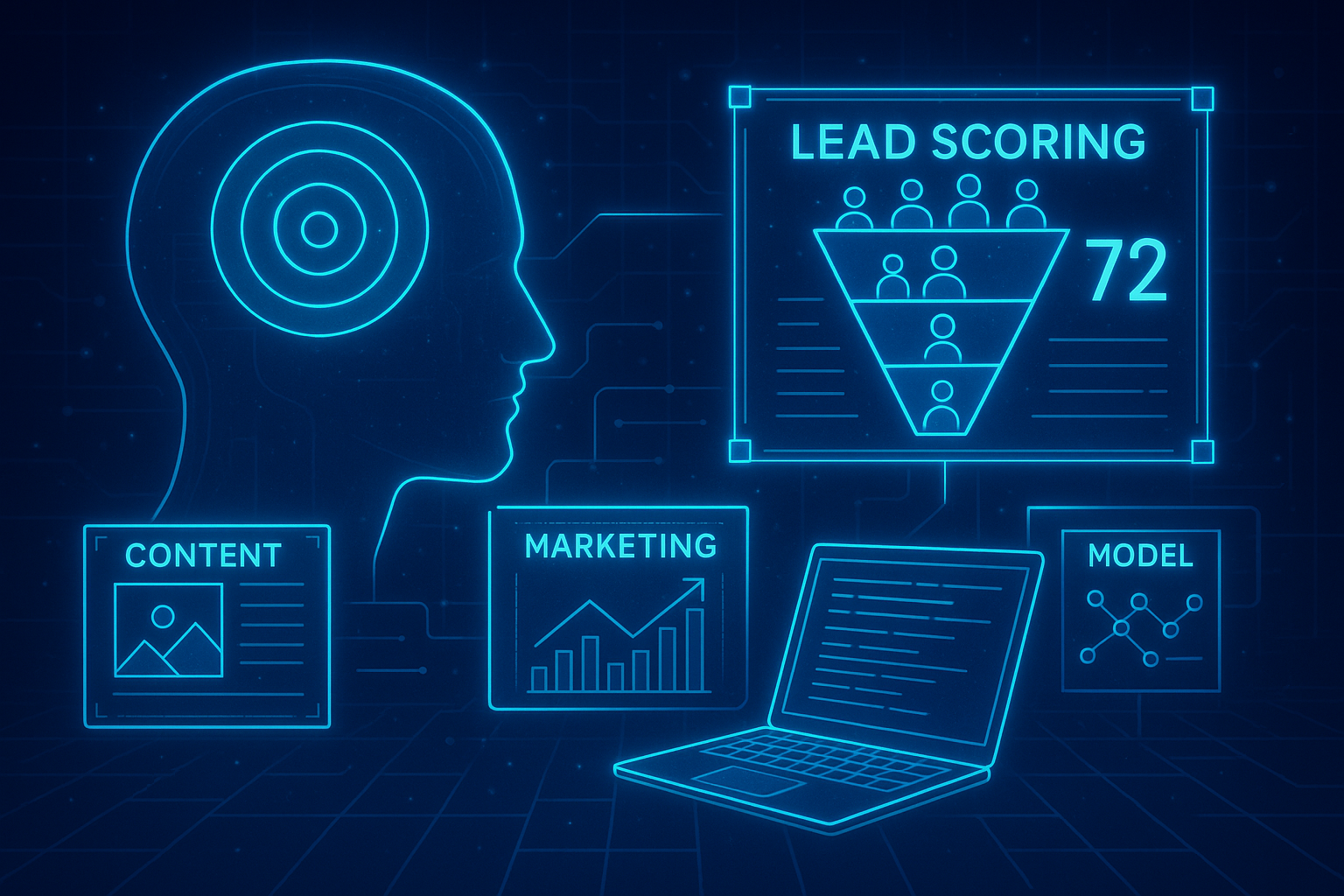
Discover how effective lead scoring techniques can amplify your B2B strategy. This article covers the essentials of setting up a scoring system, integrating behavioral data, and aligning sales and marketing for optimal conversion.
📑 Table of Contents
- Understanding the Importance of Lead Scoring in B2BMarketing
- Establishing the Foundation: Setting Up Your Lead Scoring Model
- Identifying Lead Scoring Criteria
- Setting Score Thresholds
- Integrating Technology in Lead Scoring
- Choosing the Right Tools
- Automating Data Capture and Scoring
- Enhancing Lead Scoring with Artificial Intelligence
- Machine Learning Models for Predictive Scoring
- Real-Time Adjustment
- Aligning Lead Scoring with Content Strategy
- Mapping Content to Lead Scoring
- Using Content for Lead Nurturing
- Monitoring, Analyzing, and Refining Your Lead Scoring Model
- Key Performance Indicators (KPIs)
- Regular Model Updates
- Practical Takeaways
Understanding the Importance of Lead Scoring in B2B Marketing
Lead scoring is an essential strategic tool in B2B marketing, helping businesses prioritize prospects based on their potential to convert into customers. This process involves assigning values to each lead based on their interaction with your brand's touchpoints. The score a lead receives indicates its sales-readiness, enabling marketing and sales teams to tailor their efforts more effectively.
Establishing the Foundation: Setting Up Your Lead Scoring Model
The first step in implementing effective lead scoring is to develop a model that aligns with your business goals and customer journey. This involves collaboration between marketing and sales teams to define what qualifies as a 'hot lead'.
Identifying Lead Scoring Criteria
Effective criteria are usually a mix of demographic factors (job title, industry, company size) and behavioral indicators (website visits, content downloads, webinar attendance). Each criterion should be weighted according to its predictive value toward lead conversion. For instance, a lead from a decision-maker within a large corporation might score higher than one from a non-decision making role in a smaller business.
Setting Score Thresholds
Determining score thresholds is crucial for categorizing leads into various segments such as 'hot', 'warm', or 'cold'. These thresholds must be based on historical data and ongoing analysis, ensuring they accurately reflect the lead's likelihood to engage.
Integrating Technology in Lead Scoring
Leveraging the right technology is vital for automating and refining the lead scoring process. CRM (Customer Relationship Management) systems and marketing automation tools are integral in tracking lead activities and managing scoring rules.
Choosing the Right Tools
Select tools that integrate seamlessly with your existing marketing stack and can scale with your business. Ensure these tools offer robust analytics features, as continuous assessment is key to a successful scoring strategy.
Automating Data Capture and Scoring
Automation helps in real-time data capturing and lead scoring adjustments based on predefined rules. This not only speeds up the process but also reduces human error, making the scoring process more efficient and reliable.
Enhancing Lead Scoring with Artificial Intelligence
Artificial Intelligence (AI) has transformed lead scoring by enabling more sophisticated data analysis. AI can identify patterns and insights that are not immediately obvious through traditional methods.
Machine Learning Models for Predictive Scoring
Machine learning models can predict future behaviors based on past interactions, continually refining the scoring criteria. For example, AI can pinpoint which email content a particular lead segment finds engaging, allowing for more personalized follow-ups.
Real-Time Adjustment
AI systems can dynamically adjust scores in real-time as new data comes in. This capability ensures that the lead scoring model remains accurate and up-to-date with changing customer behaviors and market conditions.
Aligning Lead Scoring with Content Strategy
Content plays a pivotal role in engaging leads at various stages of their buying journey. By aligning content strategy with lead scoring, businesses can deliver more targeted, effective communications.
Mapping Content to Lead Scoring
Develop a content map that correlates specific types of content with different lead scores. For instance, more detailed technical content might be more appealing to leads with higher scores, who are further along in the buying process.
Using Content for Lead Nurturing
Utilize lead scores to segment your email marketing lists and tailor the nurturing campaigns accordingly. Higher scored leads could receive more direct sales pitches, while lower scored leads might benefit more from educational content that moves them along the scoring scale.
Monitoring, Analyzing, and Refining Your Lead Scoring Model
Continuous monitoring and analysis are critical to understanding the effectiveness of your lead scoring model. It's important to regularly review the scoring criteria and thresholds to ensure they remain predictive of lead behavior.
Key Performance Indicators (KPIs)
Monitor KPIs such as conversion rates, lead velocity, and ROI from scored leads. These metrics will help you gauge the accuracy of your scoring model and its impact on sales.
Regular Model Updates
As market conditions and customer behaviors evolve, so should your lead scoring model. Regular updates will help maintain its relevance and effectiveness, ensuring that your marketing and sales efforts are always optimized.
Practical Takeaways
Implementing an effective lead scoring system requires a well-thought-out strategy that includes setting up accurate criteria, leveraging the right technology, and continuously refining the process based on performance analysis. By aligning lead scoring with overall marketing strategies and using advanced tools like AI, businesses can enhance their lead management processes, improve conversion rates, and ultimately achieve greater ROI. This strategic approach allows for more precise targeting and personalized engagement, driving the success of B2B marketing efforts.
Frequently Asked Questions
What is lead scoring in B2B marketing?
Lead scoring is a methodology used in B2B marketing to rank prospects against a scale that represents the perceived value each lead represents to the organization. The scoring is based on various criteria, including how well a lead's profile matches the ideal customer profile, their engagement with the company's content, and their position in the buying cycle. Effective lead scoring helps prioritize leads, streamline sales processes, and increase the efficiency of sales and marketing teams.
How can I set up a lead scoring model?
Setting up a lead scoring model involves several steps: 1. Define the characteristics and behaviors that qualify leads, aligning them with your ideal customer profile. 2. Assign points to each characteristic and behavior based on their importance and impact on sales. 3. Set thresholds to categorize leads into different levels of sales readiness, such as hot, warm, or cold. 4. Integrate your lead scoring system with your CRM and marketing automation tools. 5. Continuously refine your model based on feedback from sales outcomes and market conditions to maintain its effectiveness.
What are the best practices for maintaining an effective lead scoring model?
Best practices for maintaining an effective lead scoring model include: 1. Regularly reviewing and updating the scoring criteria to align with changes in market dynamics and customer behavior. 2. Ensuring collaboration between marketing and sales teams to agree on what qualifies as a sales-ready lead. 3. Using analytics to track the performance of the lead scoring model and making adjustments based on actual outcomes. 4. Educating all stakeholders about the importance and mechanics of lead scoring to ensure its consistent application across all relevant departments.
Sources and References
- The B2B Revenue Waterfall For Lead Management - This Forrester report provides a detailed analysis of modern lead management practices, including lead scoring. It supports the article's discussion on the importance of lead scoring in B2B marketing by outlining how effective lead management directly correlates with increased revenue.
- How to Set Up Your Sales Team for Success with Lead Scoring - This Harvard Business Review article explores practical steps for setting up a lead scoring model, directly supporting the article's section on "Establishing the Foundation: Setting Up Your Lead Scoring Model". It offers insights into the strategic alignment of sales and marketing through lead scoring.
- Machine Learning in Automated Text Categorization - This research paper from Google discusses the application of AI in text categorization, which is crucial for analyzing lead interactions with content. It supports the article's mention of using AI to enhance lead scoring techniques by providing a foundational understanding of the relevant technologies.
- Defining Lead Scoring Criteria to Identify Sales-Ready Leads - Salesforce offers a comprehensive guide on identifying and setting lead scoring criteria. This source supports the article's section on "Identifying Lead Scoring Criteria" by offering expert advice on how to determine which lead behaviors and characteristics should increase a lead's score.
- Content Strategies for Effective Lead Scoring - This article from the Content Marketing Institute discusses how to leverage content effectively within a lead scoring model. It aligns with the article's focus on integrating content interactions into lead scoring, providing practical tips on how to do so effectively.
- How B2B Digital Leaders Drive Five Times More Revenue Growth Than Their Peers - McKinsey's analysis highlights the impact of digital techniques, including lead scoring, on B2B revenue growth. This source corroborates the article's claim about the effectiveness of lead scoring in driving business success, providing statistical evidence and case studies.
- Setting Up Lead Scoring in Salesforce - This technical documentation from Salesforce provides a step-by-step guide on integrating lead scoring systems into technology platforms. It supports the article's section on "Integrating Technology in Lead Scoring" by offering a practical example of how to implement these systems in a leading CRM software.