Craft a Winning B2B Content Strategy for Enhanced Customer Education
Creating a B2B content strategy that centers on customer education is not just about broadcasting your brand’s features or services, but about genuinely...

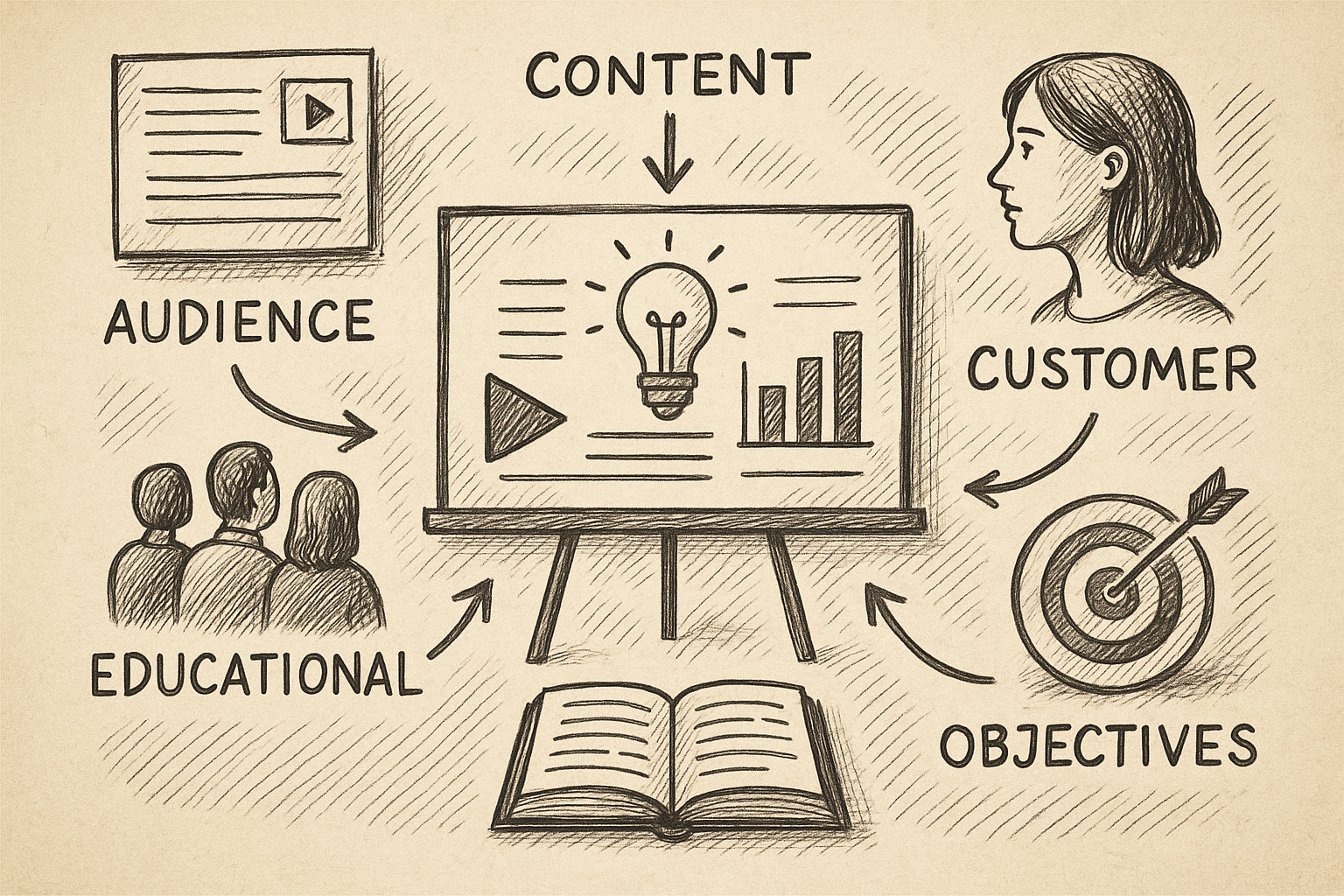
Discover the art of crafting a B2B content strategy that educates your customers, boosting engagement and loyalty. Learn to identify key topics, utilize effective formats, and measure the success of your educational content.
📑 Table of Contents
- Understanding Your Audience's Educational Needs
- Creating Buyer Personas
- Setting Educational Objectives
- Aligning Objectives with Business Goals
- Developing a Content Framework
- Choosing the Right Formats
- Creating Engaging and Informative Content
- Using Case Studies and Examples
- Optimizing and Distributing Your Content
- Repurposing Content Across Channels
- Measuring Success and Making Adjustments
- Adjusting Strategy Based on Feedback
- Overcoming Common Challenges
Creating a B2B content strategy that centers on customer education is not just about broadcasting your brand’s features or services, but about genuinely empowering your customers. This approach not only enhances customer trust and loyalty but also positions your brand as a leader in your industry. Here's how you can build an effective B2B content strategy focused on educating your customers.
Understanding Your Audience's Educational Needs
Before you can educate your customers, you need to understand what they need to know. Start by identifying the different segments of your audience based on their roles, industries, and pain points. Use surveys, interviews, and feedback from your sales and customer service teams to gather data about their challenges and information gaps.
Creating Buyer Personas
Develop detailed buyer personas that include not only demographic information but also the professional challenges and educational needs of each persona. This helps in tailoring your content to address specific issues relevant to different segments of your audience.
Setting Educational Objectives
Once you know what your customers need to learn, set clear educational objectives. What do you want your audience to learn or do differently as a result of your content? Objectives could range from understanding industry trends to mastering how to use your products more effectively. These objectives should align with broader business goals like increasing customer retention or boosting product usage.
Aligning Objectives with Business Goals
Ensure that each educational objective contributes to a strategic business goal. For example, if the goal is to reduce customer churn, an objective could be to educate customers on the full range of your product’s features and benefits.
Developing a Content Framework
With your audience's needs and educational objectives in place, develop a content framework that outlines what type of content you’ll create, who will create it, and where it will be published. This framework should cater to different learning styles and preferences, incorporating a mix of formats such as blog posts, videos, webinars, and eBooks.
Choosing the Right Formats
Select content formats based on both the complexity of the topic and the preferred learning modes of your audience. For complex processes or software, video tutorials or interactive webinars might be more effective than text-only formats.
Creating Engaging and Informative Content
The core of your strategy is content creation. Focus on producing high-quality content that is both informative and engaging. Use clear, concise language and include practical examples, case studies, and actionable advice that apply directly to your audience’s needs and objectives.
Using Case Studies and Examples
Real-world examples and case studies are particularly effective in illustrating points and showing practical applications of abstract concepts or products. They also help in demonstrating proven success and establishing credibility.
Optimizing and Distributing Your Content
Optimization for search engines is crucial to ensure your educational content reaches the right audience. Use SEO best practices such as keyword optimization, meta descriptions, and backlinks. Equally important is choosing the right channels for distribution. Where does your audience typically consume content? This could be on specific social media platforms, through email newsletters, or on industry-specific forums and websites.
Repurposing Content Across Channels
To maximize reach and efficiency, repurpose your core content across different channels and formats. A webinar can be turned into a series of blog posts, an eBook, or even a podcast episode, depending on what resonates best with your audience.
Measuring Success and Making Adjustments
Finally, measure the effectiveness of your customer education strategy. Track engagement metrics such as page views, time on page, video watch times, and webinar attendance. Also, pay close attention to how well your content is achieving the educational objectives you’ve set, through surveys or quizzes at the end of content pieces.
Adjusting Strategy Based on Feedback
Use the data you collect to refine and adjust your strategy. What topics are your audience most engaged with? Which formats are most effective? Continuous improvement based on real-world data ensures your content remains relevant and effective.
Overcoming Common Challenges
Be prepared to face challenges such as content saturation, varying customer needs, and resource allocation. To stand out, consistently update your content to reflect the latest trends and changes in your industry. Also, personalize content where possible to address the diverse needs of your audience segments. Educating your customers through a well-planned B2B content strategy not only enhances their understanding and confidence in using your products but also establishes your brand as a thought leader in your industry. By focusing on these foundational steps and continuously optimizing based on feedback and performance data, you can build a lasting and impactful customer education program.
Frequently Asked Questions
What are the core elements of a B2B content strategy focused on customer education?
A B2B content strategy focused on customer education should include clear objectives, an understanding of the target audience, tailored educational content, a distribution plan, and metrics for measurement. Objectives should align with broader business goals and focus on educating customers on the value and use of products or services. Understanding the audience involves identifying customer roles, needs, and knowledge gaps. Content should be educational and designed to empower customers, while distribution plans should ensure the right content reaches the right audience at the right time. Finally, measuring the impact of content on customer understanding and behavior is crucial for continuous improvement.
How can you identify the educational needs of your B2B audience?
Identifying the educational needs of a B2B audience involves conducting audience research through surveys, interviews, and feedback mechanisms. Analyzing customer support queries and interactions can also provide insights into common areas where customers seek more information or face challenges. Additionally, collaborating with customer service and sales teams can help uncover frequently asked questions and common hurdles customers encounter. This research helps in crafting content that addresses specific knowledge gaps and supports the customer journey effectively.
What types of content are most effective for educating B2B customers?
Effective types of content for educating B2B customers include tutorials, webinars, whitepapers, case studies, and FAQs. Tutorials and webinars are great for step-by-step learning and real-time engagement, while whitepapers provide in-depth analysis and thought leadership on industry-specific topics. Case studies demonstrate real-world applications and successes, helping customers understand potential outcomes. FAQs address common concerns and questions, making them essential for quick, accessible learning. The choice of content type should align with the learning preferences and stages of the customer journey.
How do you measure the success of a B2B educational content strategy?
Measuring the success of a B2B educational content strategy involves tracking engagement metrics, customer feedback, and business outcomes. Key performance indicators (KPIs) might include page views, time spent on content, social shares, and the completion rates of educational modules. Customer feedback through surveys or direct comments can provide qualitative insights into the effectiveness of the content. Additionally, linking content engagement to business outcomes like increased sales, customer retention, and reduced support queries can help quantify the strategy’s impact on business goals.
Sources and References
- How to Build a Content Marketing Strategy for B2B - This source from Content Marketing Institute discusses the importance of understanding your audience and creating educational content that aligns with business goals. It provides practical tips on how to develop buyer personas and set educational objectives, directly supporting the article's sections on these topics.
- The B2B Revenue Marketing Playbook - Forrester's comprehensive guide offers insights into aligning marketing strategies with business objectives, which is crucial for the section of the article discussing how to align educational objectives with business goals. It includes data and case studies that validate the effectiveness of education-focused content strategies in B2B settings.
- What B2B Customers Really Expect from Brands Today - Harvard Business Review provides expert analysis on the evolving expectations of B2B customers, including the need for educational content. This source supports the article's premise that understanding audience needs is critical for content strategy development.
- Artificial Intelligence and Content Marketing - This research paper from arXiv offers insights into how AI can be leveraged in content marketing for better personalization and efficiency. It supports the article's discussion on using AI to enhance the creation and distribution of educational content in a B2B context.
- The State of Marketing in the B2B Sector - McKinsey's report provides a detailed analysis of current trends in B2B marketing, emphasizing the role of educational content. This source is particularly relevant for backing up claims about the strategic importance of customer education in B2B marketing.
- Google Webmaster Guidelines - This official documentation from Google discusses best practices in SEO, which is crucial for the article's section on developing a content framework that is discoverable and ranks well on search engines. It provides authoritative guidelines on how to optimize educational content for better visibility.
- Why Education is Key to Successful Customer Relationships - Salesforce blog post that discusses the importance of customer education and how it builds stronger B2B relationships. This supports the article's argument that educating customers can lead to enhanced engagement and loyalty.