Boost Your SEO: Effective Strategies for Building Internal Linking Systems
## Understanding the Role of Internal Linking in SEO Internal linking is an essential part of search engine optimization (SEO) that involves linking one page...

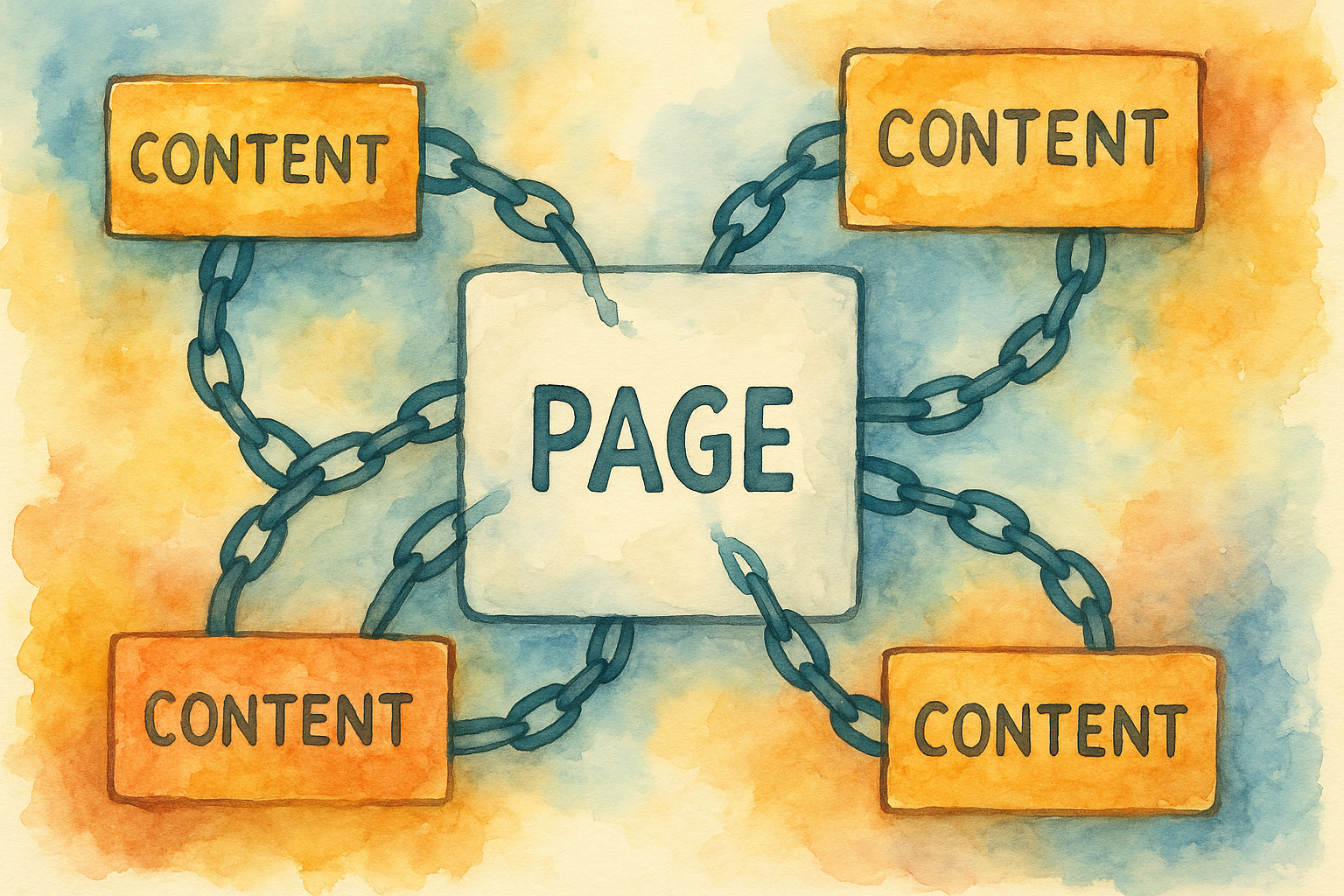
## Understanding the Role of Internal Linking in SEO Internal linking is an essential part of search engine optimization (SEO) that involves linking one page of your website to another page within the same domain. This practice not only enhances navigation but also boosts page authority and improves rankings by distributing page authority and ranking power throughout the site. ## Establishing Your Internal Linking Strategy Before diving into building an internal linking system, it's crucial to define your strategy. This includes understanding your site's structure and the goals you wish to achieve, such as improving user experience, increasing page views, or boosting specific content. ### Identifying Key Content and Pages Start by identifying your cornerstone content, which are the pages that most accurately reflect your business and are most valuable to your visitors. These pages should be the focal point of your internal linking to distribute high levels of authority throughout your site. ### Mapping Out Site Structure Create a visual representation of your site’s structure. This can be a simple diagram that outlines how all the pages link together. It helps in understanding how link equity is distributed and identifies potential areas where link flow could be improved. ## Implementing Internal Links With a strategy in place, the next step is to begin the implementation of internal links. This involves a tactical approach where each link serves a purpose either to guide a user deeper into your website or to improve SEO performance of key pages. ### Choosing the Right Anchor Text The anchor text, the clickable text in a hyperlink, should be relevant to the page it’s linking to and not overly keyword-stuffed. Natural, descriptive texts that flow with the content encourage higher click-through rates and help search engines understand the linked page’s context. ### Link Placement Links placed higher in the content tend to carry more weight than those at the bottom. Ensure your most important internal links appear within the main body of your page’s content and not just in the footer or sidebar. ### Using Links to Create Content Hubs By linking related articles or pages together in a hub-and-spoke model, you create a focused area of content around a specific topic. This not only boosts user engagement by providing them with relevant additional reading options but also signals to search engines the importance and relevance of these pages. ## Optimizing Your Internal Linking Structure Over time, your internal linking structure should evolve as new content is added and old content is updated. Regular audits and adjustments will help maintain an effective internal linking system. ### Conducting Regular Link Audits Regularly review your site’s links to ensure they are still relevant, working, and not overly optimized. Tools like Screaming Frog SEO Spider can crawl your website and identify broken links, redirects, and other issues that could impact your SEO performance. ### Balancing Link Distribution Ensure that the distribution of links within your site does not skew too heavily to certain pages while others get neglected. Aim for a balanced approach where each important page receives enough internal links to boost its visibility and ranking power. ### Refreshing Old Content Updating old content with new links and revising existing links to point to more relevant or updated pages can refresh your site’s internal link structure. This not only helps keep your content current but also aids in maintaining a healthy link equity distribution across your website. ## Tracking the Impact of Internal Linking To understand the effectiveness of your internal linking strategy, tracking and analysis are imperative. This helps in refining the approach based on actual performance. ### Using Analytics to Monitor Performance Tools like Google Analytics allow you to track how users navigate through your site. Look at metrics like bounce rate, page views, and time on site to gauge how effectively your internal links are improving user engagement. ### Assessing SEO Impact Keep an eye on your page rankings and the SEO performance of linked pages. Improvements in these areas can often be directly attributed to changes in your internal linking practices. ## Overcoming Common Internal Linking Challenges Internal linking can present challenges, particularly for large websites or those undergoing significant changes in content strategy. ### Managing Scale For larger sites, managing thousands of internal links can become cumbersome. Utilizing automated linking tools can help, but always ensure automated links are relevant and useful. ### Keeping Links Relevant As your site grows and evolves, so too should your internal links. Regular reviews and updates are necessary to keep links contextually relevant and strategically beneficial. ## Conclusion Internal linking is more than just connecting one page to another; it’s about building a thoughtful navigation system that enhances the user experience and maximizes SEO benefit. By carefully planning, implementing, and regularly updating your internal linking strategy, you can significantly improve your site’s navigation and search engine rankings. This proactive approach ensures that your website remains efficient and effective, driving better engagement and conversions.
Frequently Asked Questions
What is internal linking and why is it important for SEO?
Internal linking refers to the practice of linking from one page to another within the same domain. This is crucial for SEO as it helps spread link equity (ranking power) throughout the website, making it easier for search engines to crawl and index pages. Effective internal linking can lead to improved site navigation, increased page views, and a lower bounce rate, all of which can contribute to better rankings.
How many internal links should each page have?
There is no one-size-fits-all answer to the number of internal links a page should have. It largely depends on the length and complexity of the content. However, it is important to ensure that links are relevant and provide value to the reader. As a general rule, prioritize the user experience by keeping internal links meaningful and contextual without overwhelming the page with excessive links.
What are the best practices for anchor text in internal linking?
Best practices for anchor text in internal linking involve using descriptive and relevant text that gives an indication of the linked page's content. Avoid over-optimization such as repeatedly using exact-match keywords. Instead, aim for a natural flow in the content with varied but relevant anchor texts that enhance the reader's experience and understanding.
How does internal linking affect page authority and rankings?
Internal linking can significantly impact page authority and rankings by distributing page authority across your website. A well-structured internal linking strategy can help search engines discover new pages, improve the indexing of pages, and increase the ranking potential of key pages. By strategically linking to less visible or lower-ranked pages from higher authority pages, you can enhance the overall SEO performance of your site.
Can internal linking alone improve a website's search engine ranking?
While internal linking is a powerful SEO tool, it should not be the sole focus. It works best when integrated with other SEO strategies such as keyword optimization, quality content creation, and external link building. A holistic approach to SEO, combining internal linking with these elements, will typically yield the best results in improving a website's search engine rankings.
Sources and References
- The Impact of Internal Links on Search Engine Optimization - This research paper from Google provides an in-depth analysis of how internal linking structures can influence a website's SEO performance. It offers empirical data and case studies that underline the importance of strategic link placement and its correlation with improved search rankings.
- The Ultimate Guide to Internal Linking for SEO - Published by Moz, this comprehensive guide explains the mechanics of internal linking and its significance in SEO. It serves as a practical resource for understanding how to effectively implement internal links to distribute page authority and enhance content discoverability.
- HubSpot Marketing Statistics - HubSpot's collection of marketing data includes statistics on SEO strategies, including internal linking. The insights provided here support the article's discussion on how internal linking can drive traffic and improve page rankings, backed by recent marketing data and trends.
- Analysis of Website Structure and Internal Linking's Effect on SEO and Bounce Rate - This academic paper from Arxiv.org explores the relationship between website navigational structures and their impact on SEO and user engagement metrics like bounce rates. It provides a scientific foundation for the article's claims about the benefits of a well-structured internal linking system.
- Google's Guidelines on Internal Links - Google's own documentation offers official guidelines and best practices for creating internal links. This source is crucial for understanding how Google views internal links within the context of SEO and what they recommend for maximizing their effectiveness.
- Link Building for SEO: Top Strategies by Content Marketing Institute - This article from the Content Marketing Institute discusses various strategies for link building, including internal linking. It emphasizes the role of content strategy in effective link management and supports the article's viewpoint on using internal links to enhance content visibility and engagement.