Boost Your B2B Email Campaigns for Maximum Engagement and Sales
## Understanding Your Audience Successful B2B email marketing starts with a deep understanding of your target audience. Identify key demographics, job roles...

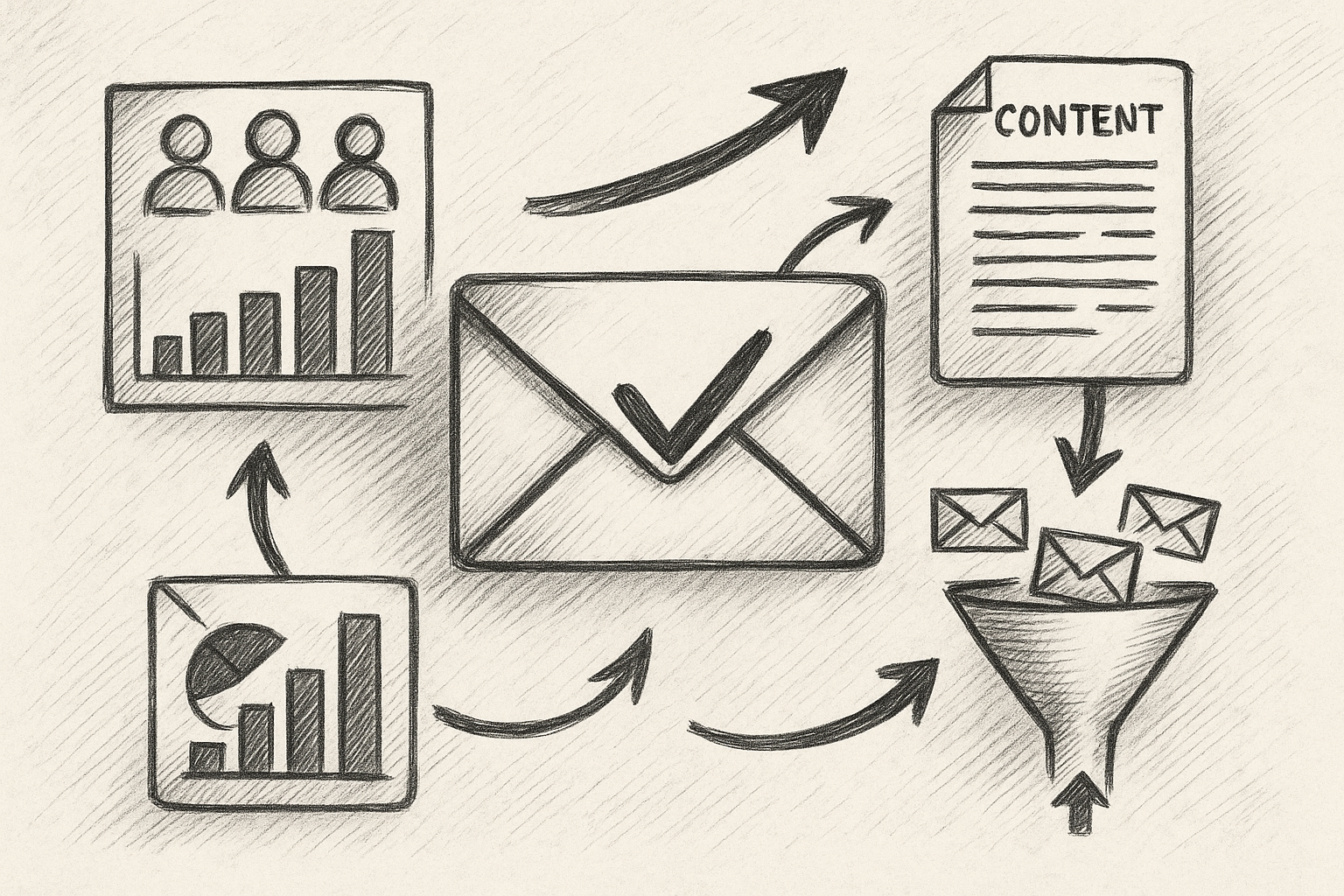
## Understanding Your Audience Successful B2B email marketing starts with a deep understanding of your target audience. Identify key demographics, job roles, and industries. Use surveys, customer interviews, and analytics tools to gather data about your audience’s preferences and behavior. This insight allows you to segment your email list effectively, tailoring content to meet the specific needs and interests of different groups. Segmentation can dramatically improve engagement rates by ensuring that recipients receive relevant and personalized content. ## Crafting Compelling Content The content of your emails is paramount in capturing and maintaining the interest of your audience. Every email should provide value, whether through insightful information, solutions to common problems, or updates on industry trends. Use a clear, professional tone and ensure your message is concise. Include a compelling subject line and a strong call to action (CTA). Test different types of content, such as educational articles, product updates, and case studies, to see what resonates best with your audience. ### Incorporating Educational Elements Educational content positions your company as a thought leader and builds trust with your audience. Include whitepapers, how-to guides, and industry reports that can help your audience overcome challenges or improve their operations. ### Leveraging Multimedia Incorporating images, videos, and infographics can help make your emails more engaging and digestible. Visual elements help illustrate complex ideas and maintain the reader's interest. ## Timing and Frequency Deciding when and how often to send emails is crucial. Too frequent, and you risk annoying your subscribers; too rare, and you might be forgotten. Analyze the optimal times for engagement through A/B testing and adjust your schedule accordingly. Most businesses find a weekly or bi-weekly frequency effective, but this can vary based on your industry and specific audience. ### Recognizing the Best Times to Send Emails Data analysis might reveal specific days of the week or times of day when your audience is more likely to open and engage with emails. Use this information to optimize your send times, improving open rates and overall engagement. ## Personalization Techniques Email personalization goes beyond using the recipient’s name. Tailor your emails based on user behavior, such as past purchases, webinar attendance, or content downloads. Use dynamic content that changes based on the interests or past behavior of subscribers. This level of personalization can significantly enhance the relevance of your communications, leading to higher engagement rates. ### Utilizing Behavioral Triggers Implement automated emails triggered by specific actions, like downloading a resource or visiting a particular webpage. These timely, relevant emails keep your brand top of mind and can guide prospects through the sales funnel. ## Integration with Other Marketing Channels Email should not stand alone but be part of a broader B2B marketing strategy. Integrate your email campaigns with other channels such as social media, your website, and digital advertising. This creates multiple touchpoints, reinforcing your message and increasing the effectiveness of your marketing efforts. ### Coordinating with Social Media Use social media insights to inform your email content and vice versa. Promote email sign-ups through social channels and use email campaigns to boost engagement on social media platforms. ## Analyzing and Optimizing Campaigns Continuously measure the performance of your email campaigns through key metrics such as open rates, click-through rates, and conversion rates. Use this data to refine your strategy. Implement A/B testing to compare different elements of your emails, from subject lines to CTA buttons, to determine what works best. ### Leveraging Analytics Tools Use advanced analytics tools to track user engagement and campaign performance. These tools can provide valuable insights into user behavior and campaign effectiveness, helping to refine future emails. ### The Importance of A/B Testing Regularly test different aspects of your emails to optimize every element of your campaign, from design to messaging to timing. This ongoing process ensures your strategy remains effective and responsive to changing audience preferences. ## Navigating Legal and Ethical Considerations Adhere to regulations such as GDPR and CAN-SPAM to ensure your email marketing practices are compliant. This not only avoids legal repercussions but also builds trust with your audience. Always provide a clear mechanism for unsubscribing and respect user preferences regarding data and privacy. ### Ensuring Transparency with Subscribers Be clear about what subscribers can expect in terms of email frequency and content and stick to your promises. Transparency fosters trust and reduces the likelihood of subscribers opting out. ## Conclusion: Continuous Improvement The landscape of B2B email marketing is constantly evolving. Stay informed about new trends, technologies, and best practices. Regularly revisit and revise your strategy based on performance data and shifting market conditions. This proactive approach ensures your email marketing efforts remain effective and relevant, providing maximum value to your business and your audience.
Frequently Asked Questions
What are the key elements of a successful B2B email marketing campaign?
The key elements of a successful B2B email marketing campaign include identifying the target audience, crafting personalized and relevant content, ensuring timely and consistent delivery, and utilizing clear, actionable calls-to-action. Additionally, analyzing performance metrics such as open rates, click-through rates, and conversion rates is crucial to refining strategies and achieving better outcomes.
How can segmentation improve B2B email marketing effectiveness?
Segmentation improves B2B email marketing effectiveness by allowing marketers to tailor their messages based on specific characteristics of different audience segments. This customization can be based on industry, job role, company size, previous interactions with the brand, and other relevant criteria. By delivering more relevant and targeted content, businesses can increase engagement, improve conversion rates, and enhance overall campaign performance.
What are some best practices for creating compelling email content in B2B marketing?
Best practices for creating compelling email content in B2B marketing include keeping the message clear and concise, using a professional tone, and focusing on the benefits to the recipient. Content should address the recipient's pain points or needs and provide valuable solutions. Including strong, clear calls-to-action and optimizing content for mobile devices are also important to enhance user engagement and drive desired actions.
How do you measure the success of a B2B email marketing campaign?
The success of a B2B email marketing campaign can be measured using various metrics, including open rates, click-through rates, conversion rates, and overall ROI. Advanced metrics such as lead generation and the quality of leads can also provide deeper insights. Regularly analyzing these metrics helps marketers optimize their campaigns continuously and align them more closely with business objectives.
What role does email automation play in optimizing B2B email marketing campaigns?
Email automation plays a crucial role in optimizing B2B email marketing campaigns by enabling timely and consistent communication with the audience without requiring manual effort for each email sent. Automation tools can help personalize emails at scale, trigger emails based on specific actions, and manage complex email sequences. This not only increases efficiency but also enhances the relevance and effectiveness of the marketing efforts.
Sources and References
- The State of Marketing Report 2023 - HubSpot - This comprehensive report from HubSpot provides detailed insights into current trends and best practices in email marketing, particularly in a B2B context. It supports the article’s discussion on how to effectively engage an audience through tailored email content and strategic campaign timing.
- 2021 B2B Email Marketing Trends - Content Marketing Institute - This research article offers a deep dive into specific trends and strategies in B2B email marketing, validating the article's emphasis on the importance of understanding audience behavior and preferences to optimize email campaigns.
- Artificial Intelligence and Personalized Marketing Communications - arXiv - This academic paper discusses the role of AI in enhancing personalization in marketing communications, including email marketing. It provides a theoretical foundation for the article's section on leveraging AI to customize email content and improve user engagement.
- The Future of Email Marketing - Forrester - Forrester's analysis predicts the evolution of email marketing strategies and technologies. This source supports the article's discussion on future-proofing email marketing campaigns and integrating new technologies like AI and machine learning.
- The Elements of a Successful Digital Marketing Strategy - Harvard Business Review - This article from HBR provides insights into creating a cohesive digital marketing strategy, emphasizing the role of email as a critical component. It supports the article's guidelines on integrating email marketing with broader digital marketing efforts, including social media.
- How to Use Salesforce API for Email Marketing Automation - Salesforce Developer Blog - This technical guide explains the use of Salesforce API for automating email marketing campaigns, providing practical support for the article's section on automation tools and their application in streamlining email workflows and personalization.