How Data-Driven Decision Making Transforms Your Marketing Strategy
Understanding the Role of Data in Marketing Decision Making Data-driven decision making in marketing is pivotal for achieving sustained success and competitive...

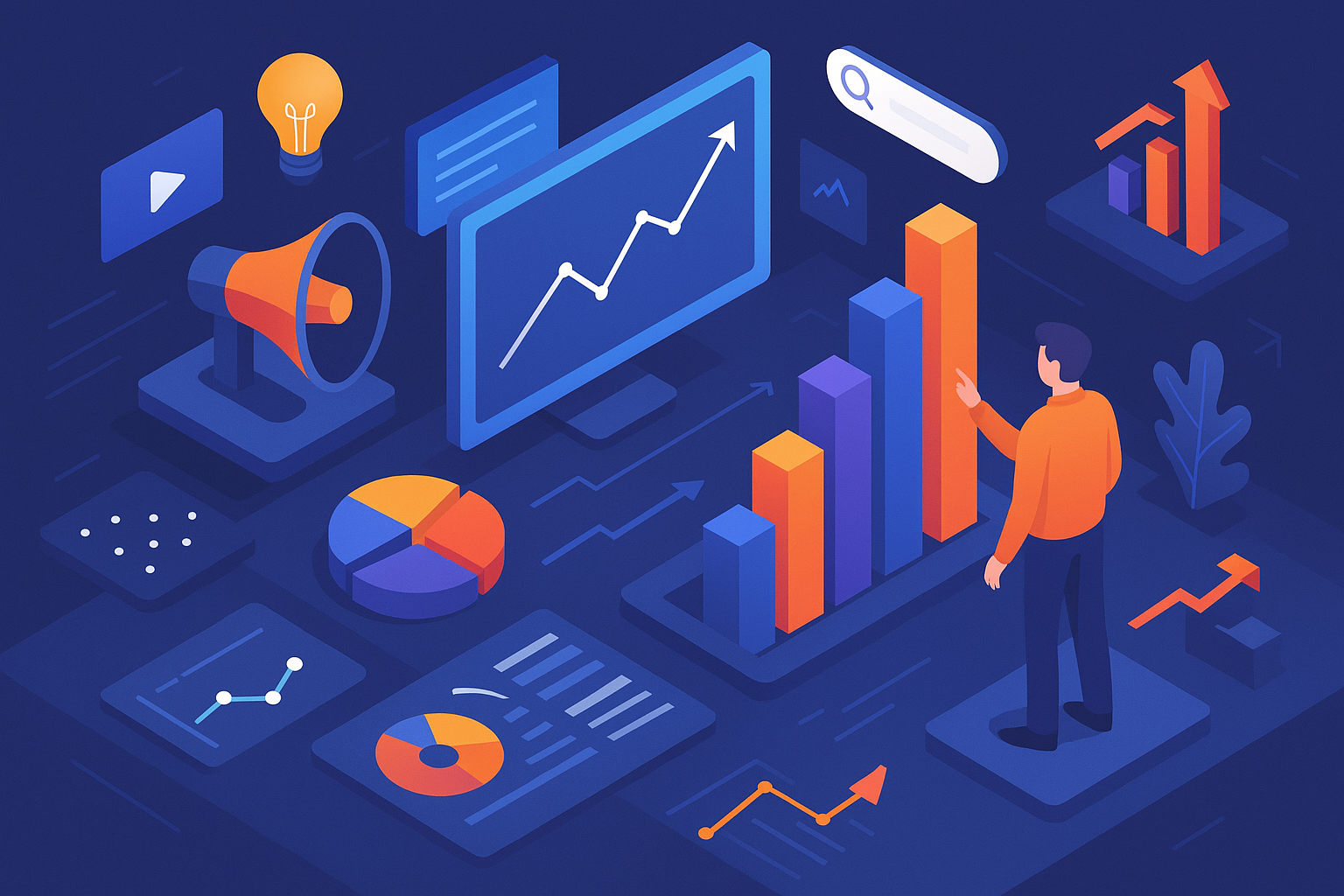
Discover how to excel in marketing by leveraging data-driven decision making. This article explores essential techniques for gathering, analyzing, and applying data to optimize your strategies and drive impactful outcomes. Learn to convert insights into action.
📑 Table of Contents
- Understanding the Role of Data inMarketingDecision Making
- Establishing a Robust Data Collection Framework
- Choosing the Right Tools and Technologies
- Turning Data into Actionable Insights
- Data Analysis Techniques
- Implementing Data-Driven Marketing Strategies
- Testing and Optimization
- Measuring the Impact of Data-Driven Decisions
- Utilizing Advanced Analytics
- Navigating the Ethical Considerations and Risks
- Developing a Data Governance Framework
- Practical Takeaways for Mastering Data-Driven Marketing
Understanding the Role of Data in Marketing Decision Making
Data-driven decision making in marketing is pivotal for achieving sustained success and competitive advantage. By integrating data into the decision-making process, marketers can optimize strategies, improve customer engagement, and increase ROI. Data informs marketers about consumer behavior, preferences, and trends, enabling them to make informed decisions that are aligned with their business objectives and market dynamics.
Establishing a Robust Data Collection Framework
Before leveraging data for decision making, it is essential to establish a robust data collection framework. This involves identifying the right data sources, such as customer feedback, social media interactions, website analytics, and transactional data. Marketers must ensure the data collected is relevant, accurate, and comprehensive.
Choosing the Right Tools and Technologies
Selecting appropriate tools and technologies is crucial for effective data collection. These tools should not only facilitate seamless data collection but also ensure data integrity and security. CRM systems, analytics platforms, and customer feedback tools are common examples that can be integrated to gather and manage data efficiently.
Turning Data into Actionable Insights
Collecting data is just the first step; the real challenge lies in turning this data into actionable insights. This involves data analysis and interpretation to uncover patterns, trends, and correlations that can inform marketing strategies.
Data Analysis Techniques
Utilizing statistical methods, predictive analytics, and machine learning algorithms can help marketers delve deeper into the data. These techniques allow for the identification of customer segments, prediction of future trends, and understanding of the effectiveness of past marketing campaigns.
Implementing Data-Driven Marketing Strategies
With actionable insights, marketers can now implement strategies that are more targeted and effective. Personalization is a key area where data-driven insights can significantly enhance marketing efforts. By understanding individual customer preferences and behaviors, marketers can tailor their messages and offers to meet the specific needs and interests of their audience.
Testing and Optimization
Continuous testing and optimization must accompany the implementation of data-driven strategies. A/B testing, multivariate testing, and other experimental approaches allow marketers to refine their strategies based on real-world data and feedback.
Measuring the Impact of Data-Driven Decisions
The effectiveness of data-driven decision making can only be validated through rigorous measurement and analysis of results. Key performance indicators (KPIs) such as conversion rates, customer acquisition costs, and customer lifetime value should be monitored to assess the impact of data-driven strategies.
Utilizing Advanced Analytics
Advanced analytics tools can provide deeper insights into the effectiveness of marketing strategies, helping marketers understand not just what strategies worked, but why. These tools can also forecast future trends, enabling proactive adjustments to marketing plans.
Navigating the Ethical Considerations and Risks
While data-driven marketing offers numerous benefits, it also comes with ethical considerations and risks that must be carefully managed. Issues such as data privacy, security breaches, and data bias need to be addressed to maintain trust with customers and comply with regulatory requirements.
Developing a Data Governance Framework
A robust data governance framework is essential to ensure ethical handling of data. This includes implementing strong data security measures, ensuring data accuracy and consistency, and complying with data protection regulations. Regular audits and updates to the governance framework are necessary to keep pace with technological advancements and regulatory changes.
Practical Takeaways for Mastering Data-Driven Marketing
To excel in data-driven decision making in marketing, professionals should focus on building a strong foundation of data collection and analysis, continuously refine their strategies based on actionable insights, and remain vigilant about ethical considerations and risks. Embracing a culture of data-driven decision making can lead to more effective marketing strategies, improved customer satisfaction, and increased business growth. Regular training and development in data analytics and related technologies can also enhance the skills and capabilities of marketing teams, ensuring they remain competitive in a rapidly evolving digital landscape.
Frequently Asked Questions
What is data-driven decision making in marketing?
Data-driven decision making in marketing refers to the process where marketers use data and analytics to guide their strategic decisions. This approach involves collecting, analyzing, and interpreting large sets of data related to consumer behavior, market trends, and campaign performance to optimize marketing strategies and achieve better outcomes. By relying on empirical data, marketers can make more informed decisions that are less susceptible to biases and assumptions.
What are the key benefits of using data-driven strategies in marketing?
The key benefits of using data-driven strategies in marketing include enhanced targeting and personalization, improved customer insights, higher ROI, and better resource allocation. By leveraging data, marketers can tailor their messages and offers to specific segments, predict customer behavior with greater accuracy, and allocate their budgets more effectively to the most profitable channels. Overall, data-driven marketing helps in delivering more relevant, efficient, and successful marketing campaigns.
How can marketers collect and analyze data for decision making?
Marketers can collect data through various methods including customer surveys, website analytics, social media monitoring, and transactional data tracking. To analyze this data, marketers often use specialized analytical tools and software that provide insights through data visualization, statistical analysis, and predictive modeling. The key is to integrate data from multiple sources to gain a comprehensive understanding of the market and customer behavior, which then can be translated into actionable marketing strategies.
What challenges might marketers face when adopting a data-driven approach?
Adopting a data-driven approach can present several challenges including data quality issues, data integration difficulties, and a skills gap in data analytics. Ensuring data accuracy and consistency across various sources is crucial as poor data quality can lead to misleading insights. Additionally, combining data from disparate systems can be technically challenging. Lastly, there is often a need for skilled personnel who can interpret complex data sets and convert them into strategic insights, requiring ongoing training and development in data analytics.
Sources and References
- Marketing and Sales Analytics: Proven Techniques and Powerful Applications from Industry Leaders - This source from McKinsey provides an in-depth analysis of how data analytics is transforming marketing strategies. It supports the article's discussion on the role of data in marketing decision-making by showcasing real-world examples and case studies from leading companies.
- Building a Data-Driven Marketing Strategy - This Harvard Business Review article explores the foundational aspects of creating a data-driven marketing strategy. It complements the article's section on establishing a robust data collection framework by outlining strategic considerations and potential pitfalls in data collection.
- Google's Machine Learning Crash Course - This resource offers a comprehensive introduction to machine learning tools and technologies, which are crucial for analyzing marketing data. It supports the article's discussion on choosing the right tools and technologies for data-driven marketing.
- The Future of Insights-Driven Business - Forrester's report details how businesses can turn data into actionable insights. This source is particularly relevant to the article's section on turning data into actionable insights, providing strategies and frameworks that companies can implement.
- Recent Advances in Data Analysis Techniques for Marketing - This academic paper from arXiv.org discusses the latest data analysis techniques in marketing. It supports the article's section on data analysis techniques by providing a scholarly overview of current methodologies and their applications in the field of marketing.
- 5 Examples of Data-Driven Marketing - This blog post from Salesforce illustrates practical examples of data-driven marketing. It complements the article's content by showing how different companies have successfully implemented data-driven strategies to enhance their marketing efforts.