Unlock the Power of Natural Language Processing in Content Creation

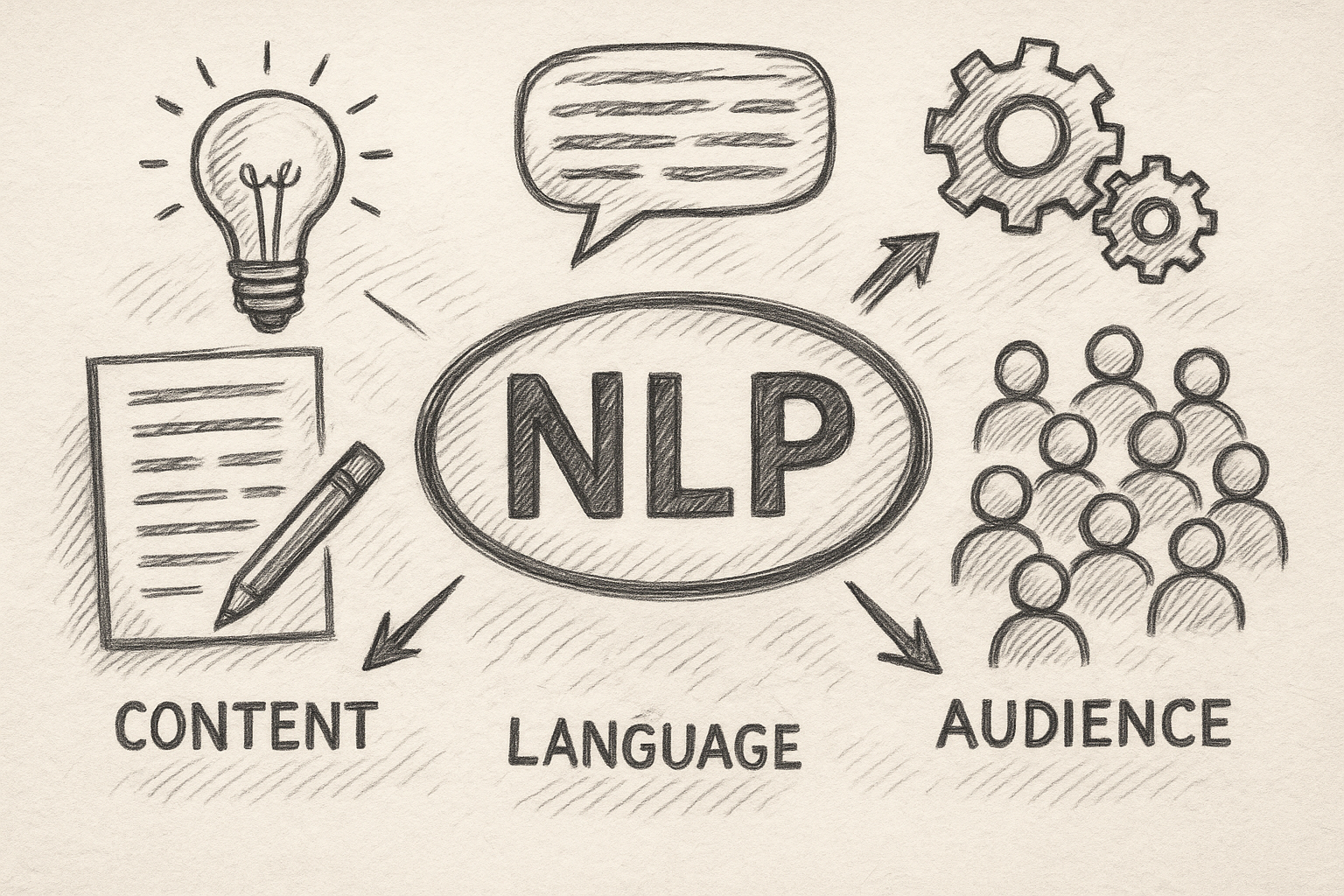
Discover how Natural Language Processing (NLP) revolutionizes content creation, enhancing efficiency and creativity. Learn to leverage NLP tools for better content quality, audience engagement, and SEO optimization.
📑 Table of Contents
- Unlock the Power of Natural Language Processing in Content Creation
- Introduction - Core Concepts and Value
- Fundamental Principles
- Strategic Implementation
- Practical Applications
- Common Pitfalls and How to Avoid Them
- Advanced Techniques
- Measuring Impact and Success
- Conclusion
Unlock the Power of Natural Language Processing in Content Creation
Introduction - Core Concepts and Value
Natural Language Processing (NLP) is a branch of artificial intelligence that focuses on the interaction between computers and human language. In the realm of content creation, NLP technologies offer significant advantages, enabling more efficient processes, enhanced content quality, and deeper audience engagement. As businesses continuously strive to connect with their audiences in meaningful ways, NLP becomes an invaluable tool in crafting messages that resonate and drive action.
Fundamental Principles
To effectively leverage NLP in content creation, it's essential to understand its core principles: 1. Text Analysis: NLP algorithms analyze text to understand its structure, meaning, and sentiment. This includes tasks such as parsing, part-of-speech tagging, and named entity recognition. 2. Machine Learning: Many NLP systems use machine learning to learn from data inputs and improve over time without being explicitly programmed for each task. 3. Semantic Understanding: Advanced NLP models grasp the contextual nuances of language, which is crucial for generating content that is both relevant and engaging. These foundational elements form the basis of NLP’s capability to transform raw data into actionable insights and compelling content.
Strategic Implementation
Implementing NLP in your content strategy involves several strategic steps: 1. Define Your Objectives: Clearly identify what you aim to achieve with NLP. Whether it's automating content generation, enhancing content personalization, or improving customer insights, your objectives will guide the choice of tools and approaches. 2. Choose the Right Tools: Select NLP tools that align with your business needs. Consider factors such as ease of integration, scalability, and support for multiple languages if necessary. 3. Train Your Team: Ensure that your content creators and marketers are well-equipped to use NLP tools. This might involve training sessions or workshops to familiarize them with the new technology.
Practical Applications
NLP can be applied in several practical ways to enhance content creation: 1. Content Personalization: Use NLP to analyze customer data and feedback to create personalized content recommendations and adaptations. 2. SEO Enhancement: Employ NLP to optimize your content for search engines by identifying trending keywords, analyzing search intent, and suggesting content modifications. 3. Customer Service Automation: Integrate NLP with chatbots and virtual assistants to provide instant responses to customer inquiries, improving engagement and satisfaction. Each of these applications not only streamlines certain processes but also enhances the user experience, making your content more effective and your brand more appealing.
Common Pitfalls and How to Avoid Them
While NLP can significantly enhance content creation, there are common pitfalls to avoid: 1. Over-Reliance on Automation: Don't let NLP tools replace human oversight. Content should always be reviewed and refined by human editors to ensure it meets quality standards and resonates with the audience. 2. Ignoring Context: NLP models can misinterpret the context or sentiment. Regularly update and train your NLP models with diverse datasets to improve accuracy. 3. Neglecting Privacy Concerns: Be mindful of data privacy when using NLP to analyze customer data. Always adhere to relevant regulations and ethical standards. Addressing these issues proactively can prevent setbacks and enhance the effectiveness of your NLP-driven initiatives.
Advanced Techniques
For those looking to deepen their NLP capabilities, advanced techniques offer further enhancements: 1. Deep Learning: Utilize deep learning models for more complex text analysis and prediction capabilities. 2. Multilingual Content Strategy: Implement NLP solutions that support multiple languages to broaden your global reach and connect with a diverse audience. 3. Sentiment Analysis: Develop sophisticated models that can accurately gauge emotions and sentiments expressed in text, allowing for more nuanced audience engagement. Exploring these advanced techniques can provide a competitive edge and open up new opportunities for content innovation and audience connection.
Measuring Impact and Success
To evaluate the effectiveness of NLP in your content creation efforts, consider these metrics: 1. Engagement Rates: Monitor changes in user engagement metrics such as time on page, bounce rates, and social shares. 2. Content Production Efficiency: Track the speed and volume of content production pre- and post-NLP implementation.Audience Growth: Measure audience growth and diversification as a result of more personalized and optimized content. Regularly assessing these indicators not only demonstrates the value of NLP but also informs continuous improvement in your strategies.
Conclusion
Natural Language Processing holds the promise of transforming content creation into a more efficient, impactful, and personalized process. By understanding its principles, strategically implementing its technologies, and continually measuring its impact, marketers can unlock significant value, staying ahead in the fast-evolving digital landscape. Embrace NLP as a part of your content strategy toolkit to ensure your content remains relevant, engaging, and highly effective in connecting with your audience.
Frequently Asked Questions
What is Natural Language Processing (NLP) and how is it used in content creation?
Natural Language Processing, or NLP, is a field of artificial intelligence that focuses on the interaction between computers and humans through natural language. In content creation, NLP is used to automate and enhance various tasks such as content generation, sentiment analysis, language translation, and keyword extraction. This technology enables creators to produce more relevant, personalized, and high-quality content that resonates with their audience.
How can NLP improve engagement with my audience?
NLP can significantly enhance audience engagement by analyzing and understanding the preferences and behaviors of your audience. Tools powered by NLP can identify trends and topics of interest, optimize content for readability and SEO, and tailor messages to the audience’s language and cultural context. This leads to more engaging and impactful content that better meets the needs and interests of your audience.
What are the best practices for integrating NLP into content creation?
To effectively integrate NLP into content creation, start by defining clear objectives for what you want to achieve with NLP. Choose the right tools and technologies that align with your content goals. Train your NLP models with high-quality, diverse datasets to ensure accuracy and relevance. Regularly update and refine your models to adapt to changing language trends and audience preferences. Lastly, maintain a balance between automated and human inputs to ensure that the content remains authentic and engaging.
Sources and References
- The Top Trends Shaping AI today - This Forrester report provides an in-depth analysis of how AI, including natural language processing (NLP), is being integrated into content creation strategies across various industries. It supports the article's discussion on strategic implementation of NLP in content marketing and business communication.
- Google Research: Natural Language Processing - This comprehensive research document from Google outlines fundamental principles and recent advancements in NLP. It offers a solid academic foundation for the Core Concepts and Value section of the article, detailing how NLP technologies interpret and generate human language.
- How Natural Language Processing Can Revolutionize Content Strategy - This article from the Content Marketing Institute examines practical applications of NLP in content strategy, particularly in SEO and social media. It provides real-world examples and case studies that illustrate the article's points on enhancing audience engagement through NLP.
- Recent Advances in Natural Language Processing via Large Pre-Trained Language Models: A Survey - This survey paper from arXiv provides a detailed review of the latest models in NLP, supporting the article's discussion on the evolution and capabilities of NLP tools in content creation. It is particularly useful for understanding the technical aspects and potential of NLP in creating tailored content.
- How AI is Transforming the Marketing Industry - Harvard Business Review's feature on AI's impact on marketing explores how NLP and other AI technologies are reshaping marketing strategies. This source is pivotal in discussing the strategic implementation of NLP in marketing as covered in the article.
- Salesforce Einstein: Natural Language Processing - This page provides an overview of Salesforce's use of NLP in enhancing customer relationship management. It supports the article's section on practical applications of NLP in business, showing how NLP can be leveraged to better understand and interact with customers.