Unlock the Power of AI-Driven Segmentation for Email Campaign Success

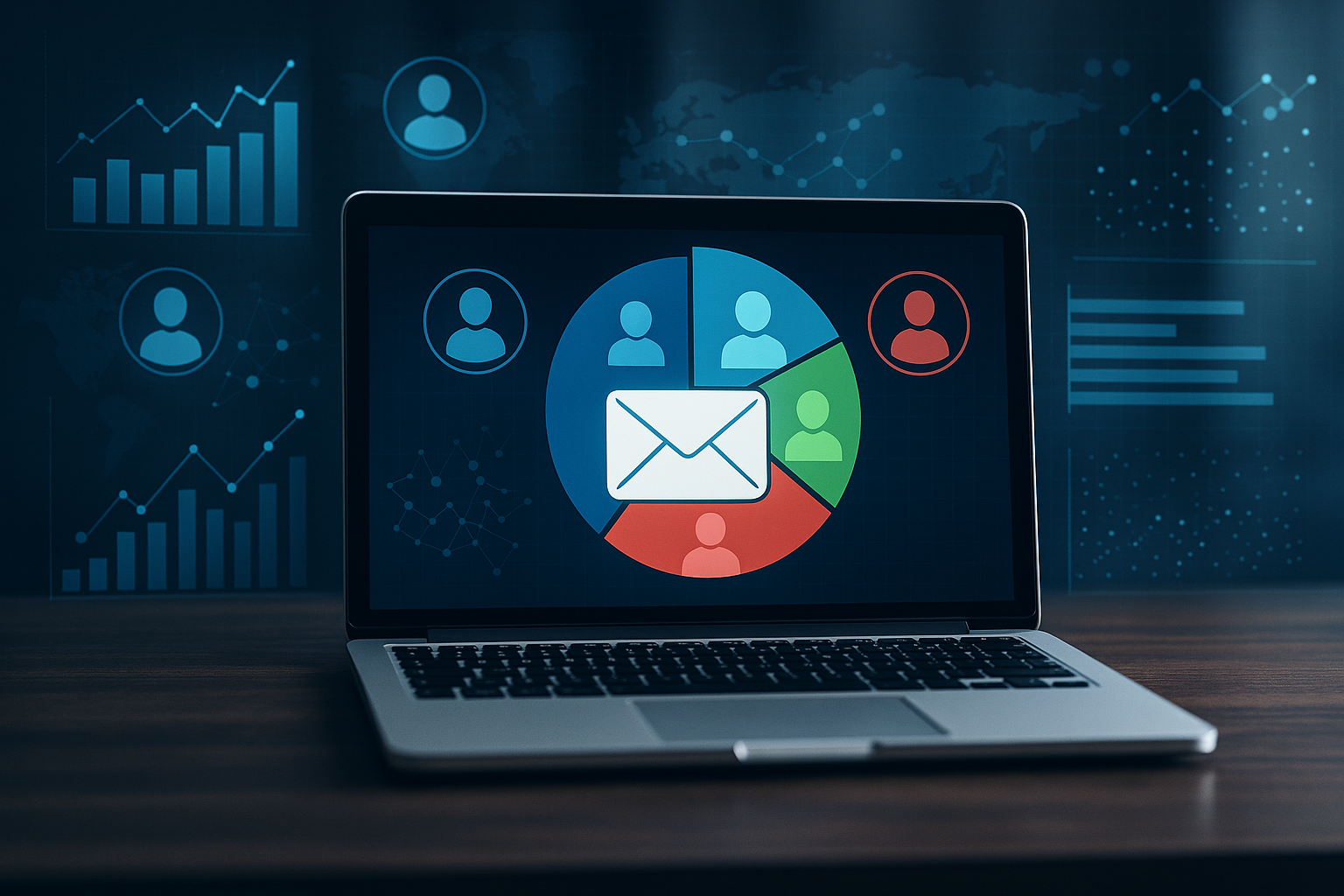
Discover how AI-driven segmentation can significantly enhance your email campaigns. Learn to target precisely, boost engagement, and achieve higher conversion rates. This article covers the strategies and tools you need for success.
📑 Table of Contents
- Unlock the Power ofAI-Driven Segmentation for Email Campaign Success
- Introduction: Core Concepts and Value
- Fundamental Principles
- Strategic Implementation
- Practical Applications
- Common Pitfalls and How to Avoid Them
- Advanced Techniques
- Measuring Impact and Success
Unlock the Power of AI-Driven Segmentation for Email Campaign Success
Introduction: Core Concepts and Value
In the dynamic world of digital marketing, email remains a cornerstone strategy for engagement, conversion, and customer retention. With the advent of artificial intelligence (AI), marketers can now leverage AI-driven segmentation to tailor their email campaigns more precisely than ever before. This approach not only enhances the relevancy of each message but also significantly improves the overall effectiveness of email marketing strategies.
AI-driven segmentation involves using machine learning algorithms to analyze large sets of data and identify distinct patterns within your audience. This enables marketers to create highly personalized email content targeted to specific groups based on their behaviors, preferences, and needs. The core value of this advanced segmentation lies in its ability to connect with recipients on a more meaningful level, thereby increasing engagement rates, boosting conversions, and ultimately enhancing customer loyalty.
Fundamental Principles
The foundation of successful AI-driven segmentation is built on a deep understanding of your audience. This involves collecting and analyzing data from various sources, including website interactions, purchase histories, social media activity, and previous email engagements. Key principles include: Learn more at Mailchimp resources
- Data Quality: Ensure that the data you use is accurate, comprehensive, and timely. High-quality data is critical for training effective AI models.
- Customer Privacy: Always adhere to data protection regulations and respect customer privacy when collecting and utilizing data.
- Continuous Learning: AI models should continually learn and adapt based on new data and interactions, allowing for the refinement of segmentation strategies over time.
Strategic Implementation
To effectively implement AI-driven segmentation, start by defining clear objectives for your email campaigns. Whether it's increasing open rates, driving sales, or improving customer retention, your goals will guide the development of your segmentation strategies. Implementing AI-driven segmentation involves several key steps:
- Integrate AI Tools: Utilize AI tools that can integrate seamlessly with your existing email marketing platform. These tools should support predictive analytics and machine learning capabilities.
- Segment Creation: Use AI to analyze your data and identify meaningful segments. These might include demographic segments, behavioral segments, or even predictive segments based on anticipated future behaviors.
- Personalization: Develop tailored messaging and offers for each segment. AI can help determine the most effective message for each group based on past responses and predictive analysis.
- Testing and Optimization: Continually test different approaches within each segment to refine your strategy and optimize results.
Practical Applications
Practical applications of AI-driven segmentation vary widely but typically include:
- Welcome Series: Tailor welcome emails based on the specific interests and behaviors demonstrated by new subscribers.
- Re-engagement Campaigns: Identify disengaged segments and develop targeted campaigns designed to rekindle their interest.
- Upselling and Cross-Selling: Use purchase history and browsing behavior to create personalized product recommendations.
These applications not only enhance the customer experience but also drive significant improvements in campaign performance.
Common Pitfalls and How to Avoid Them
While AI-driven segmentation offers numerous benefits, there are common pitfalls that can undermine its effectiveness:
- Over-Segmentation: Creating too many small segments can lead to overly complex campaigns that are difficult to manage and optimize. Focus on meaningful segments that offer significant value.
- Data Silos: Ensure that AI tools have access to all relevant data sources. Integrating data across platforms prevents silos and enhances the accuracy of your segmentation.
- Ignoring Context: AI-driven segmentation can sometimes overlook the context of data. It’s important to combine AI insights with human judgment to interpret data correctly and make informed decisions.
Advanced Techniques
To further enhance the power of AI-driven segmentation, consider these advanced techniques:
- Predictive Lifetime Value Models: Develop models that predict the future value of customers, allowing you to tailor communications based on potential revenue.
- Emotion Recognition: Use AI to analyze the emotional tone of customer interactions and tailor emails to resonate emotionally with different segments.
- Real-Time Segmentation: Implement systems that adjust segments in real-time based on ongoing customer behaviors and data updates.
Measuring Impact and Success
Effectively measuring the impact of AI-driven segmentation is crucial for understanding its value and refining your approach. Key metrics to track include:
- Engagement Rates: Monitor open rates, click-through rates, and conversion rates to gauge the effectiveness of your segmented campaigns.
- Customer Lifetime Value: Measure changes in customer lifetime value as a result of targeted campaigns to assess long-term impact.
- ROI: Calculate the return on investment from AI-driven segmentation initiatives to determine their profitability.
By continuously analyzing these metrics, you can make data-driven decisions that optimize your email marketing strategies and drive significant business growth.
In conclusion, AI-driven segmentation represents a powerful tool for enhancing the effectiveness of email marketing campaigns. By understanding and implementing these strategies, marketers can deliver highly personalized, engaging, and successful email campaigns that resonate with their audience and achieve outstanding results.
Frequently Asked Questions
What is AI-driven segmentation in email marketing?
AI-driven segmentation refers to the use of artificial intelligence technologies to analyze customer data and divide email recipients into distinct groups based on shared characteristics. These groups can include demographics, purchase history, interaction patterns, and preferences. By leveraging AI, marketers can create more personalized and effective email campaigns that cater specifically to the needs and interests of each segment.
How does segmentation improve email campaign success?
Segmentation enhances email campaign success by allowing marketers to tailor their messages to the specific needs and behaviors of different customer groups. This personalization leads to higher engagement rates, including better open and click-through rates. Additionally, segmentation can help reduce unsubscribe rates and increase overall customer satisfaction by ensuring that recipients receive content that is relevant and valuable to them.
What types of data are essential for effective AI-driven segmentation?
Effective AI-driven segmentation relies on a variety of data types, including demographic information (age, gender, location), behavioral data (purchase history, website interactions), psychographic data (interests, values), and engagement data (email open rates, click-through rates). Collecting and integrating these data types allows AI tools to create comprehensive customer profiles and identify meaningful patterns for segmentation.
What are the best practices for implementing AI-driven segmentation in email marketing?
Best practices for implementing AI-driven segmentation in email marketing include continuously collecting and updating customer data to ensure segments are accurate and reflect recent customer behaviors and preferences. It's also crucial to test and refine segmentation strategies regularly using A/B testing to determine what resonates best with different segments. Additionally, marketers should integrate ethical considerations by ensuring data privacy and transparency in how customer data is used for segmentation.
Sources and References
- The Future of Personalization and How to Get Ready for It - McKinsey & Company - This industry report from McKinsey & Company explores the importance of personalized marketing strategies, including AI-driven segmentation, in enhancing customer engagement and increasing the success rates of email campaigns. It provides empirical data and case studies that underline the effectiveness of targeted marketing approaches.
- Machine Learning in Automated Text Categorization - Google Research - This academic paper discusses the technical foundations and advancements in machine learning algorithms for text categorization, which are crucial for effective AI-driven segmentation in email marketing. The insights from this research support the article's discussion on the strategic implementation of AI technologies in crafting personalized email content.
- The State of Marketing Report - HubSpot - HubSpot's annual marketing report provides up-to-date statistics and trends in the marketing industry, including the growing reliance on AI for customer segmentation and campaign management. This source supports the article's claims about the practical applications and benefits of AI-driven segmentation in modern email marketing strategies.
- Enhancing Customer Segmentation with AI - arXiv - This research paper offers a deep dive into how AI can enhance customer segmentation processes by analyzing large datasets more efficiently than traditional methods. It supports the article's discussion on the fundamental principles of data-driven segmentation and its impact on marketing efficiency and effectiveness.
- AI Marketing: How to Leverage AI in Email Campaigns - Salesforce - Salesforce provides a practical guide on how to integrate AI tools into email marketing campaigns. This resource is particularly useful for readers interested in the strategic implementation of AI for segmentation, as discussed in the article, offering step-by-step advice and best practices.
- The Future of Email Marketing - Forrester - Forrester's report discusses the evolving landscape of email marketing and the critical role of AI in driving innovation and personalization. This source is used to substantiate the article's claims about the transformative impact of AI-driven segmentation on the success of email campaigns.