Ultimate Guide to Mastering AI for Effective Market Segmentation

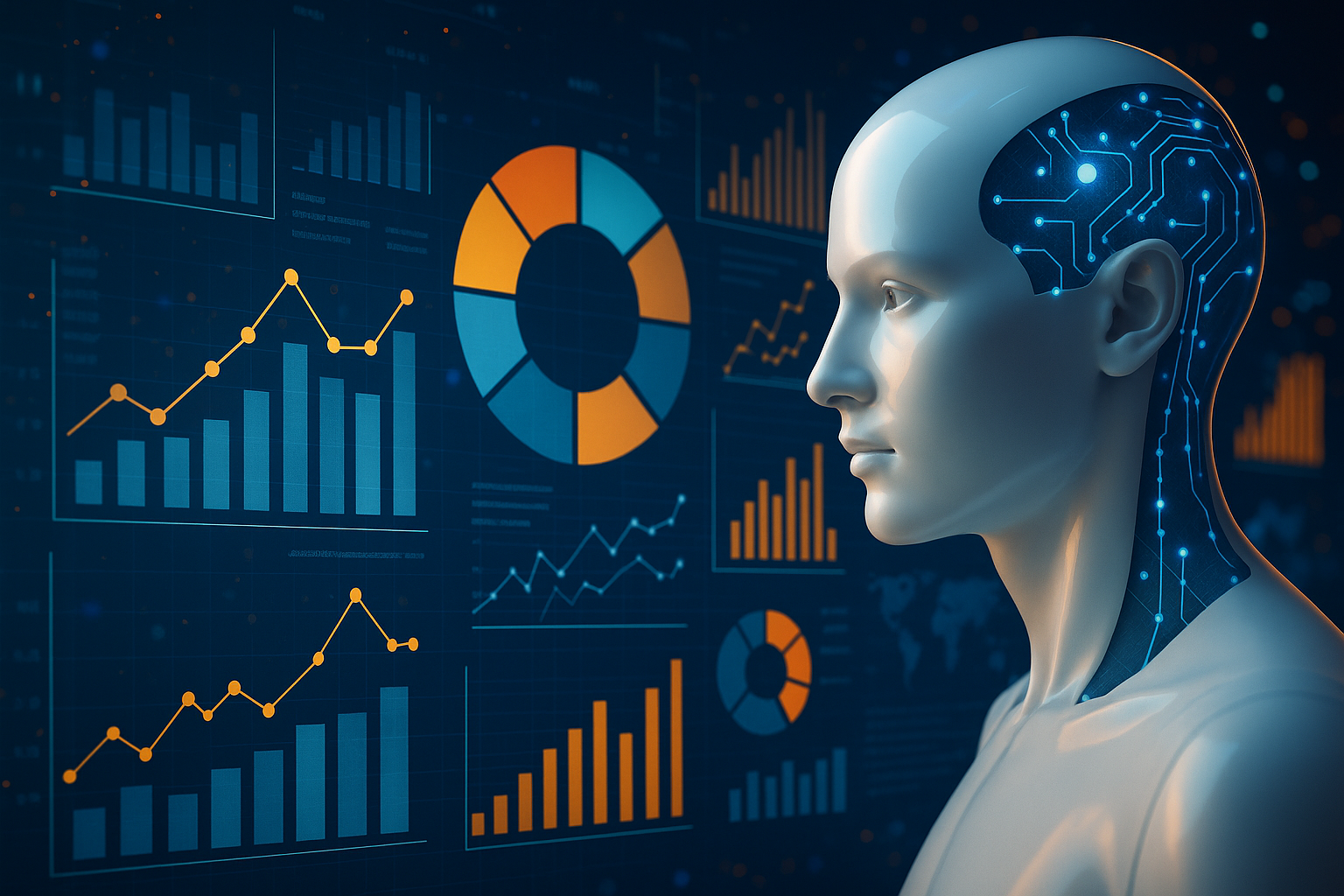
Discover how AI transforms market segmentation in our ultimate guide. Learn to harness data, identify patterns, and predict trends to tailor your strategies. From basics to advanced techniques, elevate your marketing precision and effectiveness with AI.
📑 Table of Contents
- Ultimate Guide to MasteringAIfor Effective Market Segmentation
- Introduction: Core Concepts and Value
- Fundamental Principles
- Strategic Implementation
- Practical Applications
- Common Pitfalls and How to Avoid Them
- Advanced Techniques
- Measuring Impact and Success
Ultimate Guide to Mastering AI for Effective Market Segmentation
Introduction: Core Concepts and Value
Market segmentation is a cornerstone of effective marketing, allowing businesses to target specific groups of consumers with tailored messages and offerings. The integration of Artificial Intelligence (AI) into this process has revolutionized the ability to analyze vast datasets, uncover hidden patterns, and predict consumer behavior with unprecedented precision. AI-driven market segmentation not only enhances the efficiency of marketing campaigns but also significantly increases their ROI by delivering more personalized consumer experiences.
Fundamental Principles
Understanding the fundamental principles of AI-driven market segmentation is essential for leveraging its full potential. At its core, this approach involves data collection, data analysis, and decision-making. AI excels in each of these areas by automating complex processes and providing insights that would be difficult or impossible to derive manually.
- Data Collection: AI systems require large volumes of high-quality data to function effectively. This includes demographic, psychographic, behavioral, and transactional data.
- Data Analysis: AI algorithms analyze this data to identify patterns and groupings that may not be immediately apparent. Techniques such as cluster analysis, principal component analysis, and neural networks are commonly employed.
- Decision Making: Based on the insights gained from data analysis, AI can help make informed decisions about which market segments to target and how to approach them.
Strategic Implementation
For AI-driven market segmentation to be effective, it must be strategically implemented. This involves aligning AI initiatives with business objectives, ensuring data governance, and integrating AI tools with existing marketing technologies.
- Align AI with Business Objectives: Clearly define what you hope to achieve through AI-driven segmentation, such as increased customer retention, higher conversion rates, or more effective up-selling.
- Ensure Data Governance: Establish clear policies and procedures for data management to maintain data quality and compliance with regulations.
- Integrate with Existing Technologies: Ensure that AI tools can seamlessly integrate with existing CRM and analytics platforms to enhance their capabilities.
Practical Applications
AI-driven market segmentation can be applied across various marketing functions to enhance effectiveness and efficiency. Here are some practical applications:
- Personalized Marketing: Use AI to tailor marketing messages and offers to individual preferences and behaviors.
- Customer Acquisition: Identify and target potential customers who are most likely to convert.
- Customer Retention: Predict which customers are at risk of churn and engage them with personalized interventions.
- Product Development: Analyze customer feedback and usage patterns to guide product improvements and innovations.
Common Pitfalls and How to Avoid Them
While AI-driven market segmentation offers numerous benefits, there are common pitfalls that organizations should be aware of:
- Data Silos: Avoid data silos by integrating and consolidating data across different departments and systems.
- Overfitting: Guard against overfitting by ensuring your AI models are tested and validated on independent data sets.
- Ignoring Context: Always consider the broader context of the data. AI should complement, not replace, human insights and intuition.
Advanced Techniques
As you gain proficiency in basic AI-driven market segmentation, you can explore advanced techniques to further enhance your capabilities:
- Deep Learning: Utilize deep learning models to capture more complex patterns in data that simpler models might miss.
- Real-time Segmentation: Implement systems that adjust market segments dynamically based on real-time data.
- Multi-channel Integration: Use AI to integrate and analyze data across multiple channels to provide a more holistic view of customer behavior.
Measuring Impact and Success
Finally, measuring the impact and success of AI-driven market segmentation is crucial for continuous improvement. Key performance indicators (KPIs) such as conversion rates, customer lifetime value, and ROI should be regularly monitored. Additionally, AI systems should be periodically reviewed and refined to adapt to changing market conditions and business objectives.
In conclusion, mastering AI for effective market segmentation provides a significant competitive advantage by enabling more personalized, efficient, and dynamic marketing strategies. By understanding the fundamental principles, strategically implementing technology, and continuously measuring impact, businesses can effectively harness the power of AI to meet their marketing objectives.
As AI technology evolves, staying abreast of the latest developments and approaches will be crucial for maintaining an edge in the increasingly data-driven world of marketing.
Frequently Asked Questions
What is AI-driven market segmentation?
AI-driven market segmentation is the process of dividing a broad consumer or business market into sub-groups of consumers (known as segments) based on some type of shared characteristics. These characteristics are analyzed using artificial intelligence and machine learning algorithms to identify patterns and insights that may not be apparent through traditional segmentation methods. This approach helps businesses tailor their marketing efforts more precisely and efficiently.
How does AI enhance the effectiveness of market segmentation?
AI enhances market segmentation by leveraging complex algorithms to process large volumes of data quickly and accurately. It can identify subtle patterns and relationships within the data that are not easily detectable by human analysts. This capability allows for the creation of highly refined and nuanced market segments, leading to more personalized marketing strategies and improved customer engagement and retention.
What are the key challenges in implementing AI for market segmentation?
Key challenges in implementing AI for market segmentation include data quality and availability, choosing the right algorithms and tools, integrating AI into existing marketing processes, and ensuring privacy and ethical use of consumer data. Overcoming these challenges involves careful planning, investment in quality data infrastructure, continuous training of AI models, and adherence to data protection regulations.
What are best practices for using AI in market segmentation?
Best practices for using AI in market segmentation include maintaining high standards of data quality, continuously monitoring and updating AI models to adapt to new market trends, ensuring transparency in how AI processes data, and focusing on ethical considerations to protect consumer privacy. Additionally, it is crucial to integrate human insights with AI findings to validate and interpret the segmentation results effectively.
Sources and References
- Using AI for Smart Market Segmentation - This Harvard Business Review article explores the integration of AI technologies in market segmentation. It provides a detailed analysis of how AI can enhance the accuracy and efficiency of market segmentation strategies, supporting the "Strategic Implementation" section of the article by offering real-world examples and expert insights.
- Advanced Machine Learning Techniques for Effective Market Segmentation - This research paper from Arxiv.org details the latest machine learning algorithms used for market segmentation. It supports the "Core Concepts and Value" section by explaining the foundational AI techniques that drive effective segmentation, offering a deep dive into the methodologies that underpin AI-driven marketing strategies.
- The Future of Market Segmentation - Forrester's comprehensive report discusses the evolution of market segmentation with the advent of AI and big data analytics. This source is particularly relevant to the "Practical Applications" section, providing insights into how companies are currently applying AI in their segmentation efforts and predicting future trends.
- How Companies are Using Big Data and Analytics - McKinsey's industry report offers an overview of how big data and analytics, driven by AI, are being used across different sectors, including marketing. This supports the "Data Driven Marketing" section by showcasing practical examples of AI's impact on market segmentation and strategic decision-making.
- Machine Learning in Market Segmentation: A Google Approach - This publication from Google Research provides a technical look at how Google utilizes machine learning for market segmentation. It is particularly relevant to the "Fundamental Principles" section, as it details the AI principles and algorithms that Google employs, offering a high-level technical perspective that underpins the theoretical discussion in the article.
- What is Marketing Automation? - Salesforce provides an overview of marketing automation, an essential tool in AI-driven market segmentation. This source supports the "Strategic Implementation" section by explaining how automation tools can be integrated with AI to streamline and enhance marketing efforts, particularly in segmenting and targeting markets effectively.
- American Community Survey (ACS) Data - The U.S. Census Bureau offers detailed demographic data that can be used for AI-driven market segmentation. This government source supports the "Data Driven Marketing" section by providing the raw data needed for AI models to analyze and segment populations based on various demographic factors.