Streamline Your B2B Sales with Effective Customer Journey Mapping
In the realm of B2B marketing, understanding and optimizing the customer journey is pivotal. Customer Journey Mapping (CJM) allows businesses to visualize the...

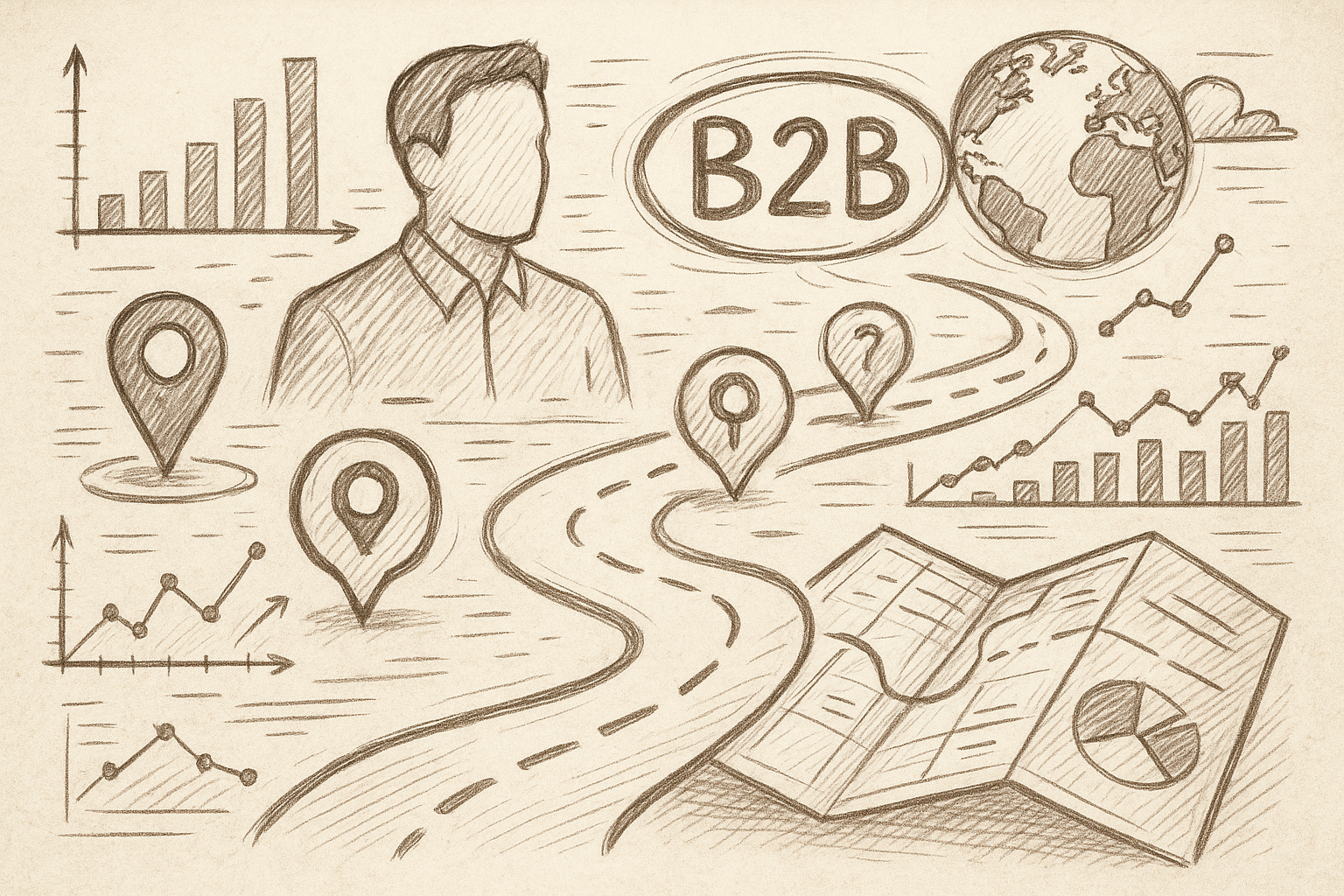
Learn how to implement B2B customer journey mapping to enhance customer experience and drive sales. This article covers key steps from data gathering to action planning, ensuring you can effectively visualize and optimize your customer's journey.
📑 Table of Contents
- Understanding the Importance of B2B Customer Journey Mapping
- Starting with Customer Data Collection
- Ensuring Data Accuracy
- Identifying Key Customer Segments
- Creating Personas
- Mapping the Customer Touchpoints
- Considering the B2B Sales Cycle
- Analyzing and Optimizing the Journey
- Utilizing Feedback for Continuous Improvement
- Integrating Cross-Functional Team Insights
- Facilitating Collaboration
- Measuring Success and Making Adjustments
- Adapting to New Insights and Market Changes
- Overcoming Common Challenges
- Trade-offs and Prioritization
Understanding the Importance of B2B Customer Journey Mapping
In the realm of B2B marketing, understanding and optimizing the customer journey is pivotal. Customer Journey Mapping (CJM) allows businesses to visualize the path their customers take from initial contact to final sale, and beyond. This visualization aids in pinpointing critical interactions and areas for improvement, ensuring a smoother, more engaging experience for potential clients.
Starting with Customer Data Collection
The foundation of any effective customer journey map is comprehensive and accurate data. Collecting data involves gathering information through various touchpoints such as website visits, social media interactions, customer service engagements, and direct feedback. Using tools like CRM systems, web analytics, and customer surveys can help capture a detailed picture of customer behaviors and preferences.
Ensuring Data Accuracy
Verify the accuracy and relevance of the data you collect. This process involves regular updates and checks to ensure that the information reflects current customer behaviors and market trends. Learn more at forrester.com business insights
Identifying Key Customer Segments
Not all customers are the same. Identifying different customer segments within your B2B landscape is crucial. Segmentation can be based on industry, company size, role within the company, or the nature of the customer’s business. Understanding these segments helps tailor the mapping process to reflect varied journeys accurately.
Creating Personas
Develop detailed personas for each customer segment. Personas should include demographic information, business needs, pain points, and buying behaviors. These personas will guide the customization of the journey map to suit different audience needs.
Mapping the Customer Touchpoints
With accurate data and clear customer personas, the next step is to map out all potential touchpoints. Touchpoints are your brand’s points of customer interaction, including digital interactions like website visits and emails, and human interactions such as sales calls and customer service. Mapping these touchpoints reveals the customer’s path through the sales funnel and highlights areas where customers might disengage.
Considering the B2B Sales Cycle
The B2B sales cycle often involves multiple decision-makers and a longer deliberation period. Each stage of this cycle should be clearly defined in the journey map, from awareness and consideration to decision and advocacy.
Analyzing and Optimizing the Journey
Analysis involves looking at the journey map to identify gaps and bottlenecks that could lead to customer drop-off. This step often reveals critical insights into customer dissatisfaction or missed opportunities. Utilize feedback loops and performance metrics to understand the efficacy of each touchpoint.
Utilizing Feedback for Continuous Improvement
Implement mechanisms for ongoing feedback collection at various stages of the customer journey. This continuous loop of feedback ensures that the journey map evolves in response to actual customer experiences and needs.
Integrating Cross-Functional Team Insights
Customer journey mapping should not be a marketing-only initiative. Integrating insights from sales, customer service, product development, and IT ensures that the map reflects a comprehensive view of the customer experience. Each department can provide unique perspectives on the customer journey, offering a more holistic approach to understanding and meeting customer needs.
Facilitating Collaboration
Encourage regular meetings and workshops with all key stakeholders to review the journey map and discuss improvements. These collaborative sessions help maintain a unified focus on customer experience across all departments.
Measuring Success and Making Adjustments
The final step in the customer journey mapping process is to measure its impact and make necessary adjustments. Key performance indicators (KPIs) such as customer satisfaction scores, conversion rates, and repeat business rates are crucial. Regularly compare these metrics before and after implementing changes to the journey map to gauge success.
Adapting to New Insights and Market Changes
As market conditions and consumer behaviors change, so should your customer journey map. Stay adaptable and ready to incorporate new insights and feedback into your map. This iterative process ensures that your business remains aligned with customer needs and market dynamics.
Overcoming Common Challenges
Common obstacles in the journey mapping process include siloed department data, lack of customer-centric culture, and resistance to change. Overcoming these challenges involves fostering an organization-wide commitment to customer experience and maintaining open, cross-departmental communication.
Trade-offs and Prioritization
In implementing changes based on the journey map, prioritize initiatives that offer the most significant impact on customer experience and business outcomes. Sometimes, this means making trade-offs between what is ideal and what is feasible within resource constraints.
In conclusion, B2B customer journey mapping is a dynamic, integral process that requires meticulous data collection, customer understanding, cross-departmental collaboration, and ongoing optimization. By effectively implementing and continually refining this process, businesses can enhance customer satisfaction, streamline the sales process, and ultimately drive growth.
Frequently Asked Questions
What is B2B customer journey mapping?
B2B customer journey mapping is the process of visualizing the steps and experiences that a business customer goes through when interacting with a company. It involves identifying key interactions, the customer's feelings, motivations, and needs at each stage, with the goal of enhancing the overall customer experience by understanding and addressing their requirements effectively.
Why is it important to create a customer journey map in a B2B context?
In a B2B context, creating a customer journey map is crucial because it helps companies understand complex purchasing decisions and the multiple stakeholders involved in them. This understanding leads to better customer engagement, improved customer satisfaction, and increased likelihood of customer retention and loyalty. Additionally, it allows businesses to identify and eliminate pain points in the customer experience, optimizing the overall process efficiency and effectiveness.
What are the key stages of a B2B customer journey?
The key stages of a B2B customer journey typically include awareness, consideration, decision, retention, and advocacy. Each stage represents a different part of the customer’s interaction with a business, from initially becoming aware of the product or service, to considering it against competitors, making a purchase decision, remaining a loyal customer, and finally becoming a brand advocate.
What data should be collected for effective B2B journey mapping?
For effective B2B journey mapping, it is important to collect data that includes customer demographics, touchpoints, feedback, and behavioral data. This data can be gathered through various methods such as surveys, interviews, CRM systems, and analytics tools. Understanding the nature of interactions at each touchpoint and the customer's response to them is crucial in crafting a map that accurately reflects the customer's experience.
How can businesses effectively use customer journey maps?
Businesses can use customer journey maps to strategically improve customer interactions and touchpoints. By analyzing the maps, companies can pinpoint areas where customers experience difficulties or dissatisfaction and can implement targeted improvements. Additionally, journey maps can help in aligning internal teams to a customer-centric approach, fostering a deeper understanding of customer needs across different departments, and driving cohesive and informed strategies to enhance customer satisfaction and business growth
Sources and References
- The consumer decision journey - This McKinsey & Company article provides foundational knowledge on the concept of customer journey mapping, emphasizing its importance in the B2B context. It offers insights into how businesses can effectively map out the customer journey to enhance engagement and improve customer experiences.
- What B2B Sales Need from Tech in the New Normal - Published by Harvard Business Review, this article discusses the critical role of accurate and comprehensive data collection in crafting effective B2B strategies, including customer journey mapping. It underscores the necessity of leveraging technology to gather and analyze customer data.
- Why Customer Journey Mapping is Critical for B2B Companies - Forrester's report delves into the methodologies of identifying key customer segments within the B2B landscape. It supports the article by explaining how segmentation enhances the precision of journey maps, leading to more targeted marketing strategies.
- How Personas Can Improve Your Content Marketing - This article from the Content Marketing Institute discusses the creation and utilization of personas in marketing. It provides practical advice on how personas can be used to refine customer journey maps, ensuring that they are aligned with real customer needs and behaviors.
- Advanced Analytics for Customer Journey Optimization - A research paper hosted on arXiv.org that explores the use of advanced analytics in optimizing customer journey maps. This source is particularly relevant for its discussion on how data accuracy impacts the effectiveness of customer journey mapping in the B2B sector.
- Guide to Customer Journey Mapping - Salesforce provides a comprehensive guide on how to implement customer journey mapping, covering aspects from data collection to persona creation. This source is instrumental for readers seeking a step-by-step approach to developing and applying customer journey maps in a B2B setting.