Scale Your Thought Leadership Content Using AI Tools
Scaling thought leadership content efficiently requires a strategic approach, enhanced significantly by the integration of Artificial Intelligence (AI). This...

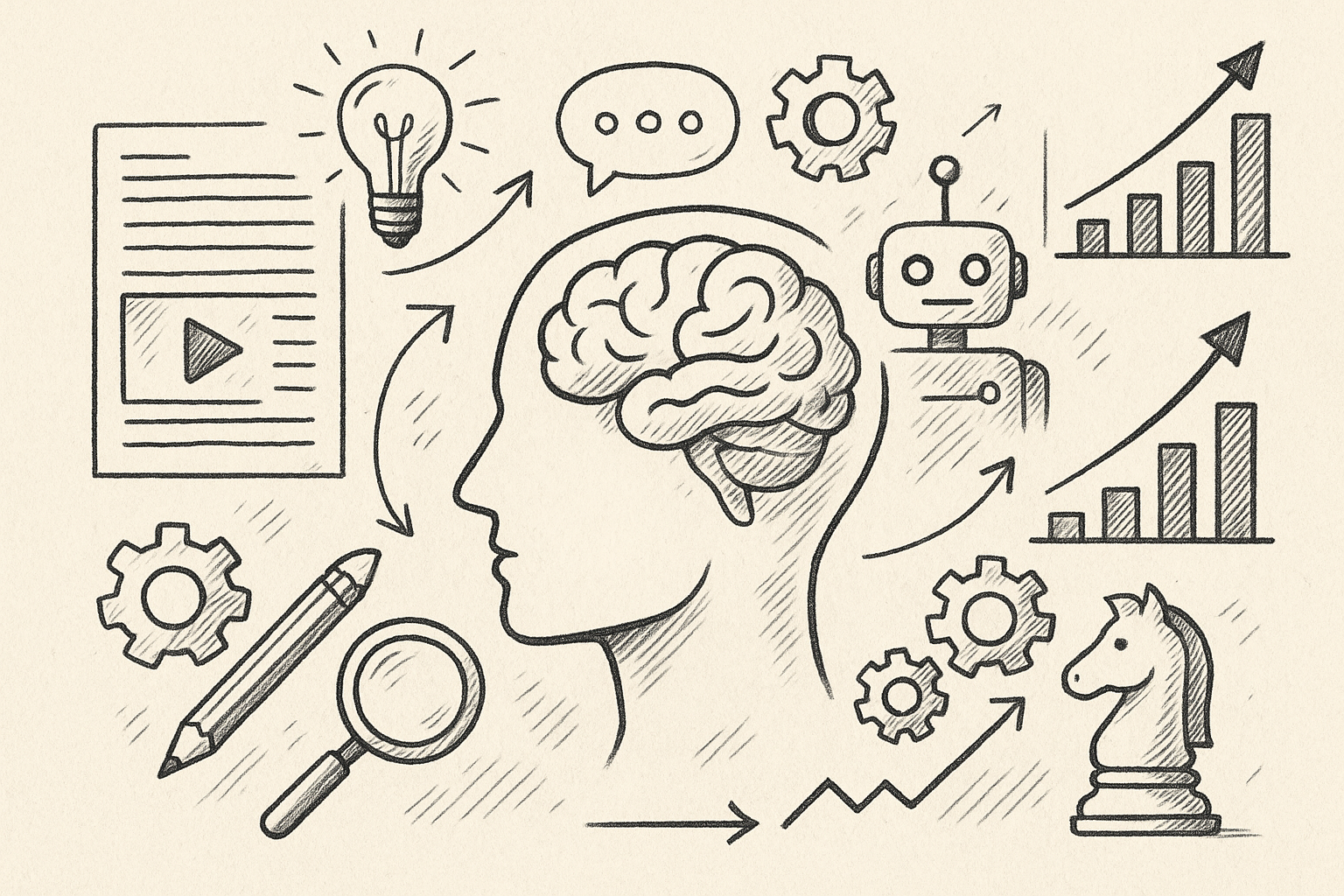
Discover how AI can amplify your thought leadership content, making it more impactful and widespread. Learn about strategic integration, content personalization, and analytics-driven insights to elevate your brand's influence and reach.
📑 Table of Contents
- Understanding the Role of AI in Thought Leadership Content
- Setting Up the Right AI Tools for Content Creation
- Key Features to Consider
- Developing a Content Strategy with AI Insights
- Implementing AI-Driven Analytics
- Creating Diverse Content Formats with AI Support
- Examples of AI in Content Repurposing
- Enhancing Content Distribution with AI
- Optimizing for Different Channels
- Measuring the Impact of AI-Enhanced Content
- Key Metrics to Track
- Overcoming Common Obstacles in AI Adoption
- Strategies to Mitigate These Challenges
Scaling thought leadership content efficiently requires a strategic approach, enhanced significantly by the integration of Artificial Intelligence (AI). This guide provides a step-by-step method for leveraging AI to support and amplify your thought leadership content, ensuring it reaches a broader audience without compromising quality.
Understanding the Role of AI in Thought Leadership Content
AI tools can automate repetitive tasks, analyze large data sets for insights, and even help in content creation, making them invaluable for scaling efforts. By leveraging AI, you can focus more on strategy and less on manual operations. AI's role includes content research, trend analysis, content generation, and distribution optimization, allowing thought leaders to maintain a consistent and impactful presence.
Setting Up the Right AI Tools for Content Creation
Choosing the right AI tools is crucial for effective scaling. Look for platforms that offer capabilities in natural language processing, content automation, and analytics. Tools like AI content creators can help draft articles, generate ideas, or even create entire pieces based on outlines. Ensure the tool integrates well with your current content management systems for a seamless workflow.
Key Features to Consider
- Ease of Use: The tool should be user-friendly. - Customization: It should allow adjustments to fit your brand voice and content strategy. - Scalability: It must handle increased workload as your content scales.
Developing a Content Strategy with AI Insights
AI can analyze consumer behavior, market trends, and engagement data to provide insights that inform your content strategy. Use AI to identify trending topics within your industry or to understand better what your audience engages with most. This data-driven approach ensures your content is both relevant and impactful.
Implementing AI-Driven Analytics
- Use AI tools to track engagement and performance metrics of your content. - Adjust your content strategy based on insights gathered from AI analytics to improve reach and engagement.
Creating Diverse Content Formats with AI Support
Diversifying your content formats helps engage different segments of your audience. AI can assist in transforming a single piece of content into various formats such as blog posts, podcasts, infographics, and videos. This not only extends the reach of your thought leadership but also caters to the preferences of a diverse audience.
Examples of AI in Content Repurposing
- Convert blog posts into scripted videos or vice versa. - Use AI to draft a whitepaper based on a series of blog posts.
Enhancing Content Distribution with AI
Effective distribution is key to maximizing the reach of your thought leadership content. AI can optimize your content distribution strategy by analyzing which platforms yield the highest engagement and at what times your audience is most active. Furthermore, AI can automate the posting schedule across various channels.
Optimizing for Different Channels
- Tailor content for each platform using AI insights about user preferences and behaviors on each channel. - Automate the distribution to ensure consistent presence across all channels.
Measuring the Impact of AI-Enhanced Content
To truly understand the effectiveness of integrating AI into your content strategy, it’s essential to measure the right metrics. Focus on engagement metrics like read time, shares, and comments, as well as SEO performance and lead generation statistics. AI tools often come with advanced analytics that can provide deeper insights into the performance of your content.
Key Metrics to Track
- Engagement Rates: Likes, shares, comments, and average watch/read time. - SEO Performance: Organic search rankings and traffic. - Conversion Metrics: Lead generation and conversion rates from content-driven campaigns.
Overcoming Common Obstacles in AI Adoption
While the benefits of using AI are clear, several obstacles might hinder its effective integration into your content strategy. Resistance to new technology, the learning curve associated with new tools, and initial setup costs are common challenges.
Strategies to Mitigate These Challenges
- Provide training and resources to your team on the benefits and use of AI tools. - Start with small, pilot projects to demonstrate the effectiveness of AI before a full rollout. - Choose AI tools that offer strong customer support and educational resources. By following these steps, marketing professionals can effectively scale their thought leadership content, ensuring it reaches a broader audience while maintaining high-quality and relevant information. AI not only makes it possible to handle increased content demands but also provides valuable insights that help in making informed strategic decisions. Remember, the key to successful AI integration lies in choosing the right tools, continuously measuring impact, and being adaptable to new information and technology advancements.
Frequently Asked Questions
What is thought leadership content and why is it important?
Thought leadership content is material created to reflect the expertise and specialized knowledge of an organization or individual in a specific field. It's important because it helps establish credibility, enhances brand reputation, and can influence stakeholders, thereby setting the author or company apart from competitors. This type of content is vital for businesses looking to assert their authority in their industry and connect deeply with their audience.
How can AI support the scaling of thought leadership content?
AI can support the scaling of thought leadership content by automating routine tasks, such as data analysis and content optimization, thus allowing creators to focus on strategy and ideation. AI tools can also help personalize content for different audience segments, predict trends to keep content relevant, and assist in content distribution across various channels efficiently.
What are the key strategies for effectively using AI in thought leadership content creation?
Key strategies include leveraging AI for audience analysis to understand preferences and behaviors, using natural language processing tools to generate insights and draft content, and employing machine learning algorithms to optimize content for search engines and social media platforms. Additionally, integrating AI to monitor performance analytics can help refine future content strategies to ensure they align with audience needs and market trends.
What tools are essential for scaling thought leadership content with AI?
Essential tools include AI-powered content management systems for organizing and distributing content, predictive analytics tools for understanding future trends, and AI-driven content creation tools that help in generating initial drafts, headlines, or visual elements. Tools for SEO and social media analytics are also crucial for measuring the impact and reach of the content.
How can you measure the success of AI-supported thought leadership content?
The success of AI-supported thought leadership content can be measured through various metrics such as engagement rates, website traffic, lead generation, and conversion rates. Additionally, the use of sentiment analysis to gauge audience perception and feedback can provide insights into the effectiveness of the content. Monitoring these metrics over time helps in understanding the impact of the content and guiding future content strategies.
Sources and References
- How AI Is Transforming the Future of Content Creation - This Harvard Business Review article explores the integration of AI in content creation, emphasizing its role in enhancing thought leadership by automating research and data analysis, which aligns with the discussion on setting up the right AI tools for content creation.
- The Future of Content Marketing - Forrester's report provides insights into how AI tools can be leveraged to personalize content and scale thought leadership, supporting the article's section on developing a content strategy with AI insights.
- Machine Learning in Content Personalization - This research paper from Google discusses the key features of AI that can be used to tailor content to specific audiences, directly supporting the article's section on key features to consider in AI tools for content creation.
- Using Data to Drive Content Strategy Decisions - Content Marketing Institute provides a detailed analysis on how data driven insights obtained from AI can optimize content strategy, which complements the article's discussion on implementing AI-driven analytics.
- How AI Can Unlock Content Management - McKinsey's analysis discusses the transformative potential of AI in managing and scaling content, particularly in the context of thought leadership, which is pertinent to the article's overall theme of scaling thought leadership content with AI support.