Maximize Your B2B Email Campaigns for Better Engagement
Understanding the Importance of Segmentation in B2B Email Campaigns Segmentation is a cornerstone of effective B2B email marketing. By dividing your audience...

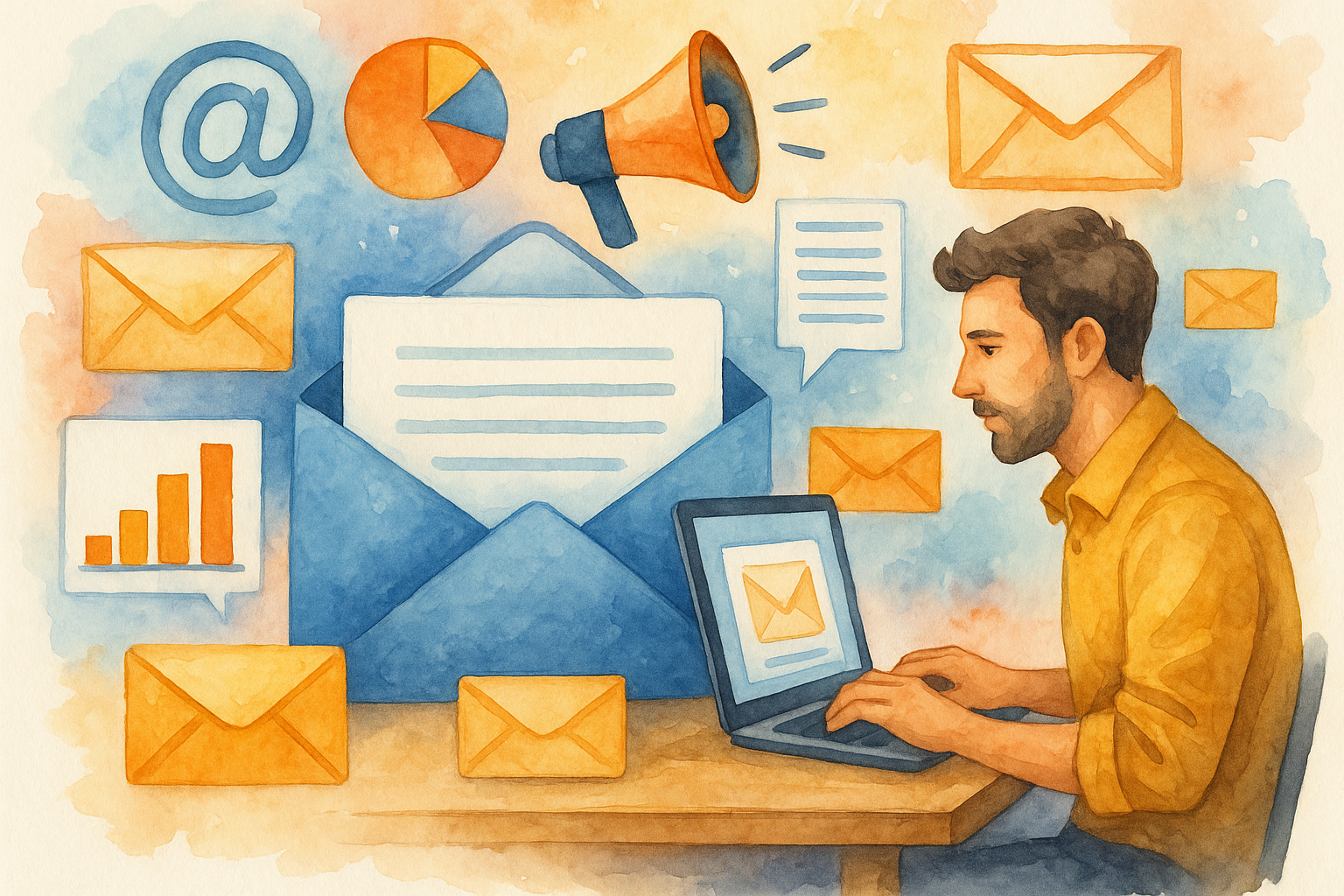
Discover how to maximize your B2B email campaigns for optimal engagement. This article covers effective strategies, from crafting compelling content to segmentation and personalization, ensuring your emails resonate with your audience and achieve your business goals.
📑 Table of Contents
- Understanding the Importance of Segmentation in B2B Email Campaigns
- Creating Compelling Content That Resonates
- Leveraging the Power ofAutomationand Personalization
- Optimizing Email Design for Readability and Engagement
- Testing and Measuring Campaign Effectiveness
- Ensuring Compliance with Email Regulations
- Building Lasting Relationships Through Follow-up and Feedback
Understanding the Importance of Segmentation in B2B Email Campaigns
Segmentation is a cornerstone of effective B2B email marketing. By dividing your audience into smaller, more focused groups based on specific criteria such as industry, company size, or behavior, you can tailor your messages to meet the unique needs and interests of each segment. This customization leads to higher engagement rates as recipients feel the content is directly relevant to them. Actionable strategies include using data analytics to understand how different segments interact with your emails and adjusting your campaigns based on this feedback. For instance, if data shows that decision-makers in larger companies prefer content-rich newsletters, while smaller enterprises engage more with quick tips and success stories, you can optimize your content accordingly.
Creating Compelling Content That Resonates
The content of your emails must be both informative and appealing to your B2B audience. Focus on solving problems or addressing pain points specific to each segment. Utilize formats such as case studies, industry reports, and how-to guides that not only provide value but also establish your brand as a thought leader. To ensure the content remains engaging, include clear, action-oriented subject lines, personalized introductions, and a strong call-to-action (CTA). For example, instead of a generic CTA like "Click here," use "Download your customized industry report" to increase click-through rates.
Leveraging the Power of Automation and Personalization
Email automation tools are essential for efficiently managing large-scale B2B email campaigns. These tools can help you send emails based on triggers or actions taken by the recipient, such as signing up for a webinar or downloading a white paper. Automation ensures timely communication and helps nurture leads through the sales funnel. Personalization goes beyond just addressing the recipient by name. It involves tailoring the email content to align with the recipient's stage in the buyer's journey or previous interactions with your company. Dynamic content blocks that change based on user data are an effective way to personalize at scale.
Optimizing Email Design for Readability and Engagement
The design of your email plays a crucial role in how the message is perceived and acted upon. A clean, professional layout with easy-to-read fonts and sufficient white space helps ensure that your content is approachable. Additionally, make sure your emails are mobile-friendly, as many professionals access their email on their mobile devices. Visual elements like images and videos should be used judiciously to support the message and not overshadow the text. Tools like A/B testing can be invaluable in determining which designs resonate most with your audience.
Testing and Measuring Campaign Effectiveness
Continuous improvement in email marketing comes from testing and understanding what works and what doesn’t. Regularly conduct A/B tests on various elements of your emails, including subject lines, email copy, CTAs, and send times. Analyze metrics such as open rates, click-through rates, and conversion rates to gauge the success of your campaigns. Moreover, consider advanced metrics like email ROI and lead generation rates to truly measure the impact of your emails on your business goals. This data-driven approach allows you to make informed decisions about future campaigns.
Ensuring Compliance with Email Regulations
Adhering to email regulations such as GDPR, CAN-SPAM, or CCPA is non-negotiable. These laws not only dictate how businesses should handle email communications and respect recipient privacy but also help maintain your company’s reputation. Make sure your emails include an easy-to-find unsubscribe link, use permission-based email lists, and clearly identify your company in the email sender information. Regularly update your practices to comply with new or amended regulations to avoid legal pitfalls.
Building Lasting Relationships Through Follow-up and Feedback
The end goal of B2B email marketing is to build and sustain professional relationships. Follow-up emails can keep the conversation going after an initial interaction or transaction. Tailor these follow-ups to reflect the recipient's previous engagements with your company, whether it's thanking them for attending a webinar or offering additional resources related to a recent purchase. Encourage feedback by including surveys or open-ended questions in your emails. This not only demonstrates that you value the recipient’s opinion but also provides you with insights to refine your email strategy further. Implementing these best practices in your B2B email campaigns can significantly enhance engagement, improve customer relationships, and drive business growth. By focusing on the recipient's needs and continuously optimizing your approach based on data-driven insights, your email marketing efforts will yield better results and a higher return on investment.
Frequently Asked Questions
What are the key elements of a successful B2B email campaign?
The key elements of a successful B2B email campaign include a clear and compelling subject line, personalized content that addresses the recipient's needs and challenges, a strong and visible call-to-action, and a respectful follow-up schedule. Ensuring that the content is relevant and provides value is crucial for engagement and conversion.
How can you personalize emails in a B2B campaign?
Personalizing emails in a B2B campaign can be achieved by using the recipient's name, company name, and industry-specific references. Segmenting your email list based on the recipient's role, past interactions, and behavior can also help tailor the content more specifically. Advanced tactics include dynamic content that changes based on user data to match their specific needs or interests.
What metrics should you track to measure the success of your B2B email campaigns?
Key metrics to track for B2B email campaigns include open rates, click-through rates, conversion rates, and overall ROI. Additional metrics like email forwarding/sharing rates and social media engagement can also provide insights into how your content resonates with your audience. Monitoring these metrics helps in understanding the effectiveness of your campaign and areas for improvement.
What are some common mistakes to avoid in B2B email marketing?
Common mistakes in B2B email marketing include not segmenting the email list, sending generic content that does not resonate with the target audience, neglecting mobile optimization, and failing to comply with email regulations like GDPR. Additionally, infrequent communication or excessive emailing can either lose audience interest or lead to unsubscribes.
Sources and References
- The State of Marketing Report 2023 - This comprehensive report from HubSpot provides detailed insights into the effectiveness of segmentation in B2B email campaigns, supporting the article's discussion on how targeted communication significantly enhances engagement rates.
- How to Create Compelling Content for B2B Email Campaigns - This article from the Content Marketing Institute offers practical tips and examples on crafting content that resonates with B2B audiences, aligning with our article's section on creating compelling email content.
- The Art of Email Personalization - Forrester's research delves into how personalization and automation can be leveraged in email marketing to boost engagement, providing empirical data that underscores the practices recommended in our article.
- Responsive Email Design Best Practices - Google Developers outline key principles for optimizing email designs for various devices, which is crucial for readability and engagement in B2B email campaigns as discussed in our article.
- Evaluating Email Campaign Effectiveness: A Statistical Approach - This academic paper presents a methodology for testing and measuring the effectiveness of email campaigns, providing a scientific basis for the testing strategies outlined in our article.
- Email Marketing: Think Beyond the Blast - McKinsey & Company's analysis discusses advanced strategies for B2B email campaigns, including segmentation and personalization tactics that drive superior engagement, directly supporting our article's themes.