Mastering AI for Market Segmentation: A Comprehensive Guide

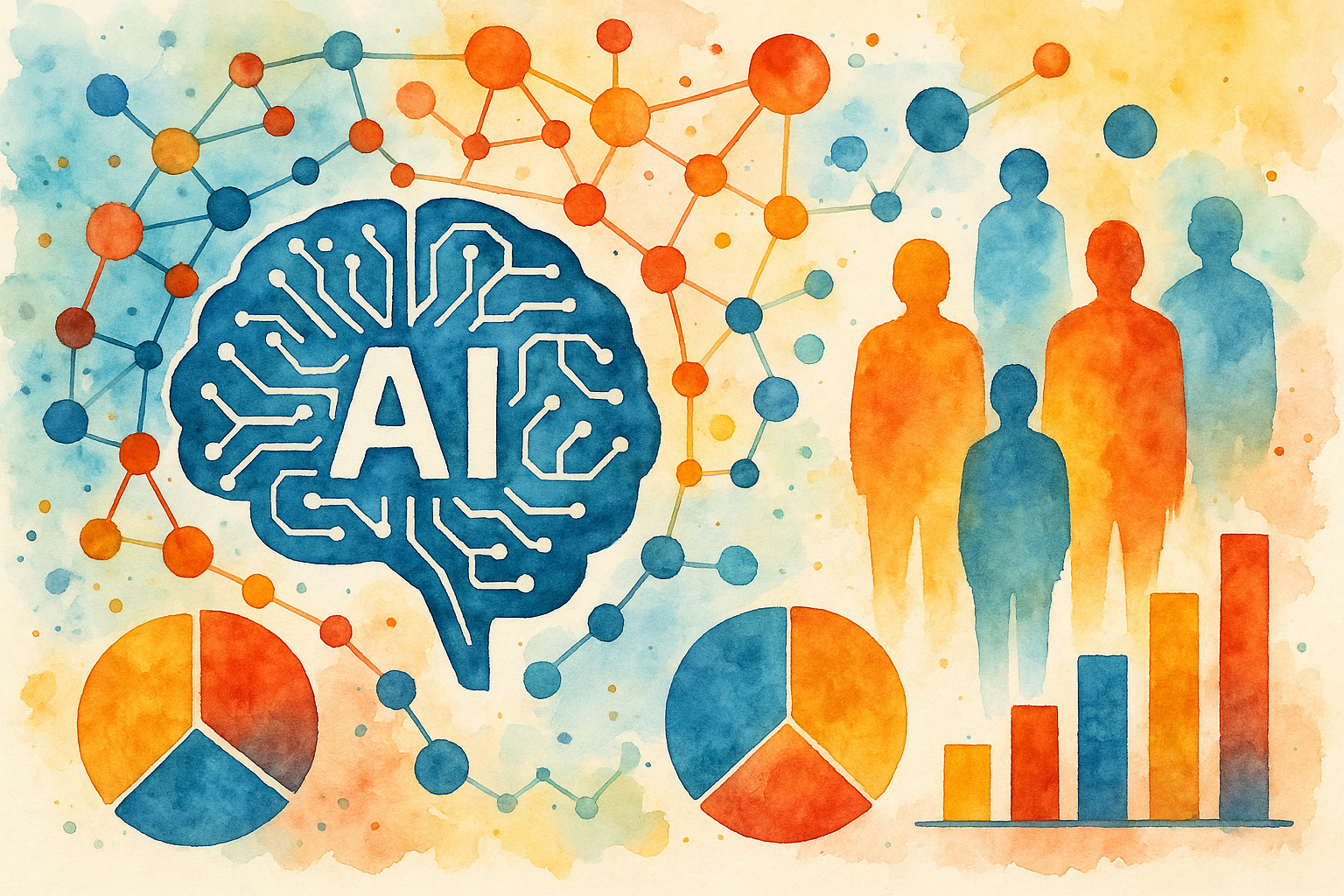
Discover how AI transforms market segmentation in our comprehensive guide. Learn to leverage machine learning for precise targeting, enhanced customer insights, and improved ROI. Dive into tools, strategies, and real-world applications to master AI-driven segmentation.
📑 Table of Contents
- MasteringAIfor Market Segmentation: A Comprehensive Guide
- Introduction: Core Concepts and Value
- Fundamental Principles
- Strategic Implementation
- Practical Applications
- Common Pitfalls and How to Avoid Them
- Advanced Techniques
- Measuring Impact and Success
Mastering AI for Market Segmentation: A Comprehensive Guide
Introduction: Core Concepts and Value
Market segmentation is a strategic approach that divides a broad target market into subsets of consumers who have common needs, interests, and priorities, then designing and implementing strategies tailored to them. With the advent of Artificial Intelligence (AI), market segmentation has transformed into a more dynamic, insightful, and efficient practice. AI leverages data and machine learning to provide deeper insights into customer behavior and preferences, enabling marketers to create highly focused and personalized marketing strategies.
Fundamental Principles
To effectively utilize AI in market segmentation, it's essential to grasp some fundamental principles:
- Data Quality: The accuracy of AI-driven segmentation is directly proportional to the quality of data fed into it. Ensuring data is clean, comprehensive, and collected ethically is foundational.
- Machine Learning Models: AI relies on various models to analyze data and make predictions. Understanding the basics of models like clustering algorithms (e.g., K-means, hierarchical clustering) is crucial.
- Customer Privacy: With great power comes great responsibility. Adhering to privacy laws and ethical guidelines in data usage is not only legal but builds trust with your audience.
Strategic Implementation
Implementing AI for market segmentation involves several strategic steps: Learn more at business.pinterest.com social media platform
- Define Objectives: Clearly define what you aim to achieve with AI-powered segmentation, whether it's increasing engagement, personalizing marketing messages, or optimizing product development.
- Integrate Data Sources: Consolidate various data sources like CRM systems, social media, and purchase history to create a unified data repository for comprehensive analysis.
- Select the Right Tools: Choose AI tools and platforms that align with your business needs and are known for scalability and support.
- Train Your Team: Ensure your marketing team understands how to use AI tools and interpret the data insights effectively.
Practical Applications
AI can be applied in several practical ways within market segmentation:
- Behavioral Segmentation: AI helps identify patterns in customer behavior, allowing marketers to tailor strategies based on observed behaviors.
- Predictive Customer Insights: AI analyzes past consumer behavior to predict future actions, such as the likelihood of a customer buying a product after clicking an ad.
- Real-time Personalization: Utilize AI to deliver real-time personalized messages and offers to customers based on their current interaction with your brand.
Common Pitfalls and How to Avoid Them
While AI can significantly enhance market segmentation, there are common pitfalls:
- Over-reliance on Automation: AI should augment human insight, not replace it. Ensure decisions are reviewed and interpreted by marketing professionals.
- Data Bias: AI models can inherit biases present in the training data. Regularly review and update your data sets and models to mitigate bias.
- Ignoring Context: AI might miss the context that can be critical for understanding customer behavior. Combine quantitative data with qualitative insights for a fuller picture.
Advanced Techniques
To further refine AI-driven market segmentation, consider these advanced techniques:
- Deep Learning: Utilize deep learning models to capture complex patterns in large data sets that simpler models might miss.
- Integration with Other Technologies: Combine AI with other technologies like IoT (Internet of Things) for richer, real-time data collection and insights.
- Continuous Learning: Implement systems where AI models continuously learn and adapt from new data, improving the accuracy of segmentation over time.
Measuring Impact and Success
Success in AI-driven market segmentation can be measured by several metrics:
- Engagement Rates: Track changes in engagement levels pre and post-AI implementation.
- Conversion Rates: Measure the impact of personalized marketing actions on conversion rates.
- Customer Satisfaction: Use surveys and feedback to assess how well AI-driven personalization is being received by customers.
- ROI: Evaluate the return on investment by comparing the costs of AI implementation against the increase in revenue.
In conclusion, mastering AI for market segmentation requires a blend of high-quality data, strategic implementation, and continuous adaptation to emerging technologies and market trends. By focusing on these areas, marketers can leverage AI to gain a competitive edge, driving more personalized, efficient, and impactful marketing strategies.
Frequently Asked Questions
What is market segmentation and how does AI enhance this process?
Market segmentation is the process of dividing a broad consumer or business market into sub-groups of consumers (known as segments) based on some type of shared characteristics. AI enhances this process by utilizing advanced algorithms and machine learning models to analyze large datasets more efficiently and accurately. This allows businesses to identify and target specific segments with personalized marketing strategies, improving customer satisfaction and business performance.
What types of data are most valuable for AI-driven market segmentation?
For AI-driven market segmentation, valuable data types include demographic information (age, gender, income), psychographic data (lifestyle, values, interests), behavioral data (purchase history, brand loyalty, product usage), and geographic information. Combining these data types can help create a comprehensive view of the market, enabling more precise segmentation and more effectively tailored marketing strategies.
How do you ensure the ethical use of AI in market segmentation?
Ensuring the ethical use of AI in market segmentation involves adhering to data privacy laws, obtaining informed consent for data collection, and using data responsibly. It is essential to avoid biases in AI models by using diverse and representative training data. Transparency in how AI models segment and target consumers, along with providing consumers with options to control their data, are also key practices to uphold ethical standards.
What are the challenges faced in AI-driven market segmentation?
Challenges in AI-driven market segmentation include data quality and availability, maintaining data privacy, avoiding algorithmic bias, and the complexity of integrating AI systems with existing marketing processes. Addressing these challenges requires robust data management practices, continuous monitoring and updating of AI models, and cross-functional collaboration within organizations to ensure that AI tools are used effectively and ethically.
Sources and References
- A technology blueprint for personalization at scale from McKinsey & Company - This source provides a deep dive into how AI technologies can be leveraged for effective market segmentation and personalization strategies. It supports the article's discussion on strategic implementation of AI in marketing by outlining methodologies for integrating data and AI models to enhance customer segmentation.
- Machine Learning for Market Segmentation - Published on Google Research, this paper details the application of machine learning models in market segmentation, offering insights into the development and effectiveness of these models. It directly supports the article's section on practical applications of AI in segmenting markets, providing a solid academic foundation to the discussed AI techniques.
- Advanced Analytics and AI: Impact on Market Segmentation - This research from arXiv provides a comprehensive review of how advanced analytics and AI impact market segmentation. It offers empirical evidence and theoretical backing for the article's claims about the fundamental principles of AI in marketing, enhancing the reader's understanding of the core concepts involved.
- The State of Marketing Report 2023 - HubSpot - This industry report from HubSpot includes data and trends in the use of AI for marketing, specifically focusing on segmentation and customer data management. It provides practical examples and current trends that enrich the article's sections on practical applications and strategic implementation.
- How AI Is Transforming Market Segmentation - Forbes Tech Council - This article offers expert analysis on the transformation brought about by AI in market segmentation. It complements the guide's discussion by highlighting real-world examples and expert opinions, which illustrate the strategic implementation of AI in market segmentation.
- What is Marketing Automation? - Salesforce - Salesforce provides a detailed explanation and benefits of marketing automation, which is closely linked to AI-driven market segmentation. This source supports the article by discussing how automation tools powered by AI can enhance customer segmentation and marketing strategies.