Master Essential AI Skills Every Digital Marketer Needs

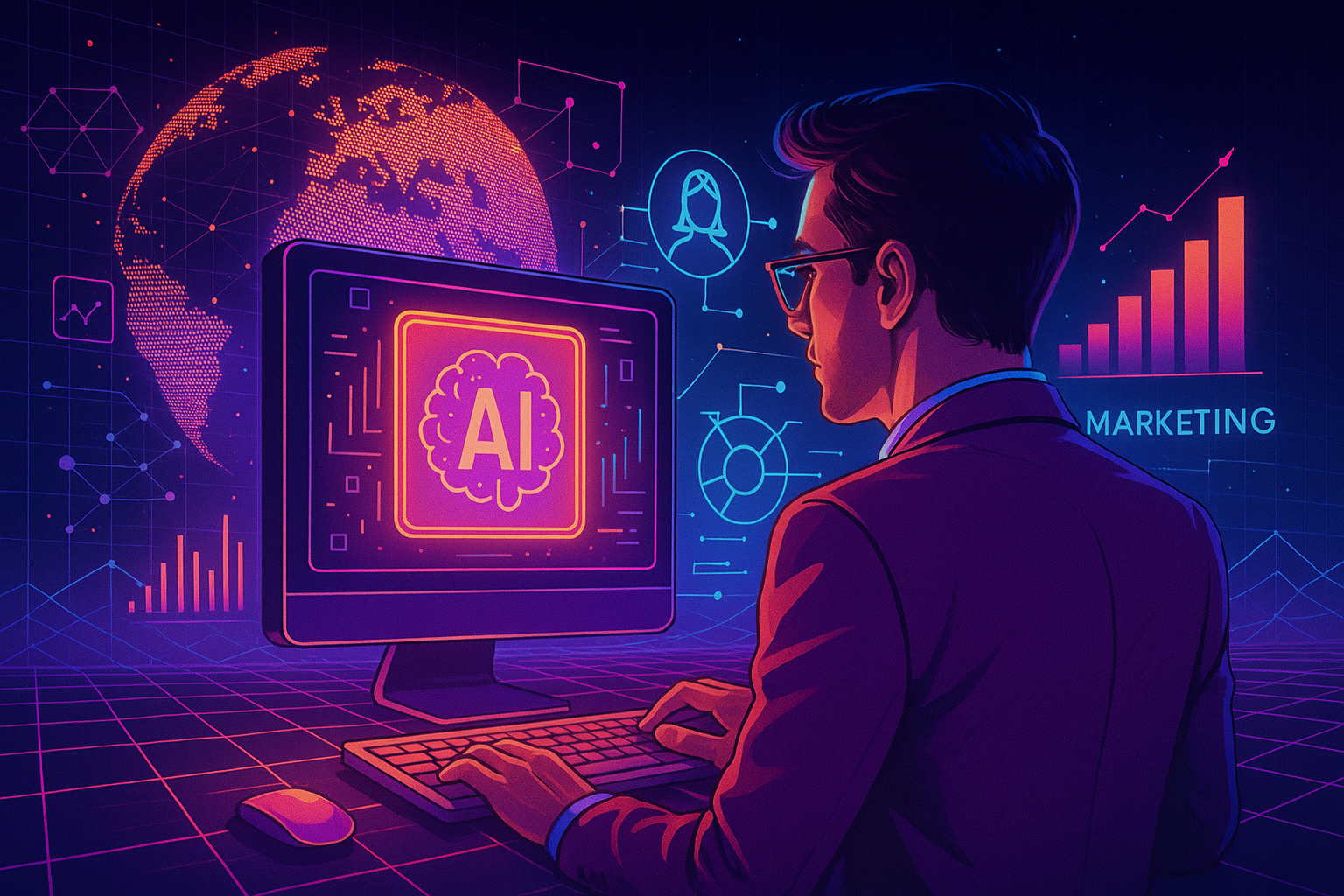
Discover the AI skills crucial for digital marketers in this comprehensive guide. Learn about AI-driven analytics, personalized marketing, and automation tools that can elevate your strategies and enhance engagement.
📑 Table of Contents
- Master EssentialAISkills Every Digital Marketer Needs
- Introduction - Core Concepts and Value
- Fundamental Principles
- Strategic Implementation
- Practical Applications
- Common Pitfalls and How to Avoid Them
- Advanced Techniques
- Measuring Impact and Success
Master Essential AI Skills Every Digital Marketer Needs
Introduction - Core Concepts and Value
In the dynamic world of digital marketing, Artificial Intelligence (AI) has become a cornerstone technology, transforming how brands interact with their audiences. AI enables marketers to analyze vast amounts of data, personalize customer experiences, and automate repetitive tasks. By integrating AI into their strategies, digital marketers can enhance efficiency, improve accuracy, and drive innovation. This article explores the essential AI skills that are crucial for every digital marketer to master, ensuring their strategies remain effective and competitive.
Fundamental Principles
Understanding the fundamental principles of AI is the first step in leveraging its capabilities. AI involves the simulation of human intelligence processes by machines, especially computer systems. These processes include learning (acquiring information and rules for using the information), reasoning (using rules to reach approximate or definite conclusions), and self-correction. Particular applications of AI include expert systems, natural language processing (NLP), speech recognition, and machine vision.
AI operates on data. Hence, a solid grasp of data collection, data processing, and data analysis is fundamental. Digital marketers need to understand the types of data AI systems use, how to source this data ethically, and how it can be processed to train AI models effectively.
Strategic Implementation
Implementing AI in digital marketing strategies involves more than just understanding the technology; it requires a strategic approach. Begin by identifying the specific marketing challenges that AI can address. Common areas include customer segmentation, content personalization, predictive analytics, and customer service automation.
Once the areas of application are identified, digital marketers should focus on the integration of AI tools that specifically cater to these needs. This might involve deploying chatbots for customer service, using AI-driven analytics tools to understand customer behavior, or implementing machine learning algorithms to personalize content delivery across digital platforms.
Practical Applications
The practical application of AI in digital marketing can be demonstrated through several key functions:
- Customer Insights: AI tools analyze customer data and behavior to provide insights that were previously unattainable. By understanding patterns and trends, marketers can create more effective campaigns that are tailored to the preferences of their target audience.
- Chatbots and Virtual Assistants: These AI-powered tools can handle customer inquiries 24/7, providing timely responses and freeing up human resources for more complex queries. This not only improves customer experience but also increases efficiency.
- Content Optimization: AI can help in optimizing content for search engines as well as for audience engagement. Tools like AI content generators can suggest improvements, generate ideas, and even write initial drafts of content.
- Email Marketing: AI can automate personalization at scale for email marketing campaigns, adjusting content to the individual level based on user behavior and preferences.
By integrating these AI applications, marketers can ensure that their digital strategies are more targeted, efficient, and effective.
Common Pitfalls and How to Avoid Them
While AI can provide significant advantages, there are common pitfalls that marketers can fall into:
- Data Quality: AI systems are only as good as the data they are trained on. Poor quality, biased, or insufficient data can lead to inaccurate outcomes. Always ensure that your data is comprehensive, clean, and representative.
- Over-reliance on Automation: It's crucial to find the right balance between automation and human intervention. Over-relying on AI can lead to missed creative opportunities and potential disconnects with customers. Human oversight is essential to interpret AI results and make final decisions.
- Lack of Continuous Learning: AI models can become outdated as market dynamics change. Regularly updating and retraining models with new data and feedback is crucial for maintaining their accuracy and relevance.
Advanced Techniques
For those looking to deepen their AI expertise, advanced techniques such as deep learning, neural networks, and sentiment analysis offer cutting-edge ways to enhance marketing strategies. These techniques can lead to more sophisticated applications like image recognition in social media and emotion detection in customer interactions, providing deeper insights and more personalized customer experiences.
Measuring Impact and Success
To effectively measure the impact of AI in digital marketing, it’s important to set clear, quantifiable goals and metrics. Key performance indicators (KPIs) such as conversion rates, customer engagement levels, and campaign ROI provide valuable insights into how well AI tools are contributing to marketing objectives.
Additionally, conducting regular audits of AI strategies helps in understanding their effectiveness and areas for improvement. This ongoing measurement not only demonstrates the value of AI but also guides marketers in optimizing their AI tools for better performance.
In conclusion, mastering AI skills is essential for every digital marketer aiming to stay competitive in a rapidly evolving digital landscape. By understanding the fundamental principles, strategically implementing AI tools, applying them practically, avoiding common pitfalls, utilizing advanced techniques, and measuring their impact, marketers can effectively harness the power of AI to enhance their digital marketing strategies and achieve greater success.
Frequently Asked Questions
What are the key AI skills that every digital marketer should master?
Every digital marketer should focus on mastering data analysis, machine learning basics, natural language processing, and predictive analytics. These skills help in understanding customer behaviors, automating and optimizing marketing campaigns, and personalizing customer interactions. Proficiency in using AI tools for these tasks is also highly beneficial.
How can AI be used to enhance customer engagement in digital marketing?
AI can enhance customer engagement by enabling hyper-personalization of content and offers, automating responses in real-time, and optimizing customer journey touchpoints. AI-driven analytics can also provide deep insights into customer preferences and behaviors, allowing marketers to tailor their strategies more effectively.
What role does data play in AI-driven digital marketing?
Data is the cornerstone of AI-driven digital marketing. It feeds algorithms that analyze and predict consumer behavior, enabling marketers to make data-driven decisions. Quality, relevance, and the volume of data directly affect the accuracy and effectiveness of AI applications in marketing strategies.
Sources and References
- How AI is transforming marketing - This McKinsey report provides an in-depth analysis of how AI technologies are reshaping the landscape of digital marketing. It supports the article's discussion on the core concepts and strategic implementation of AI in marketing, offering real-world examples of AI-driven marketing strategies that enhance customer engagement and data utilization.
- Machine Learning in Advertising: Opportunities and Challenges - This research paper from Google explores the integration of machine learning within the advertising sector, a subset of digital marketing. It complements the article's section on practical applications of AI in digital marketing, providing a scholarly perspective on how AI can optimize ad targeting and improve ROI for marketers.
- Using AI to Enhance Business Operations - Harvard Business Review article that discusses the broader implications of AI in business operations, including marketing. It provides expert analysis that supports the article's discussion on the fundamental principles of AI in marketing, specifically how AI can be strategically implemented to drive business growth and customer satisfaction.
- The Future Of AI In Marketing - A Forrester report that forecasts the trends and developments in AI that will shape the future of marketing. This source is particularly useful for the article’s coverage on the evolving nature of AI skills that digital marketers need to master, highlighting specific skills related to data analytics and customer experience management.
- Content Strategies for Artificial Intelligence - This article from the Content Marketing Institute discusses specific strategies for integrating AI into content marketing. It directly supports the article's section on practical applications of AI by providing actionable advice and strategies for digital marketers to leverage AI for content creation and distribution.
- AI and Marketing: The Next Big Thing - A blog post from Stanford University's AI research group that discusses the latest advancements in AI technologies and their applications in marketing. This source adds academic credibility to the article, especially in discussing cutting-edge AI tools and techniques that marketers need to be familiar with.
- What is Marketing Automation? - Salesforce provides a detailed overview of marketing automation, a key area where AI is extensively applied. This source supports the article's discussion on AI's role in automating marketing tasks, thereby enhancing efficiency and personalization in customer interactions.