Leverage Predictive Analytics to Boost Your B2B Marketing Results
Predictive analytics in B2B marketing harnesses historical data, statistical algorithms, and machine learning techniques to identify the likelihood of future...

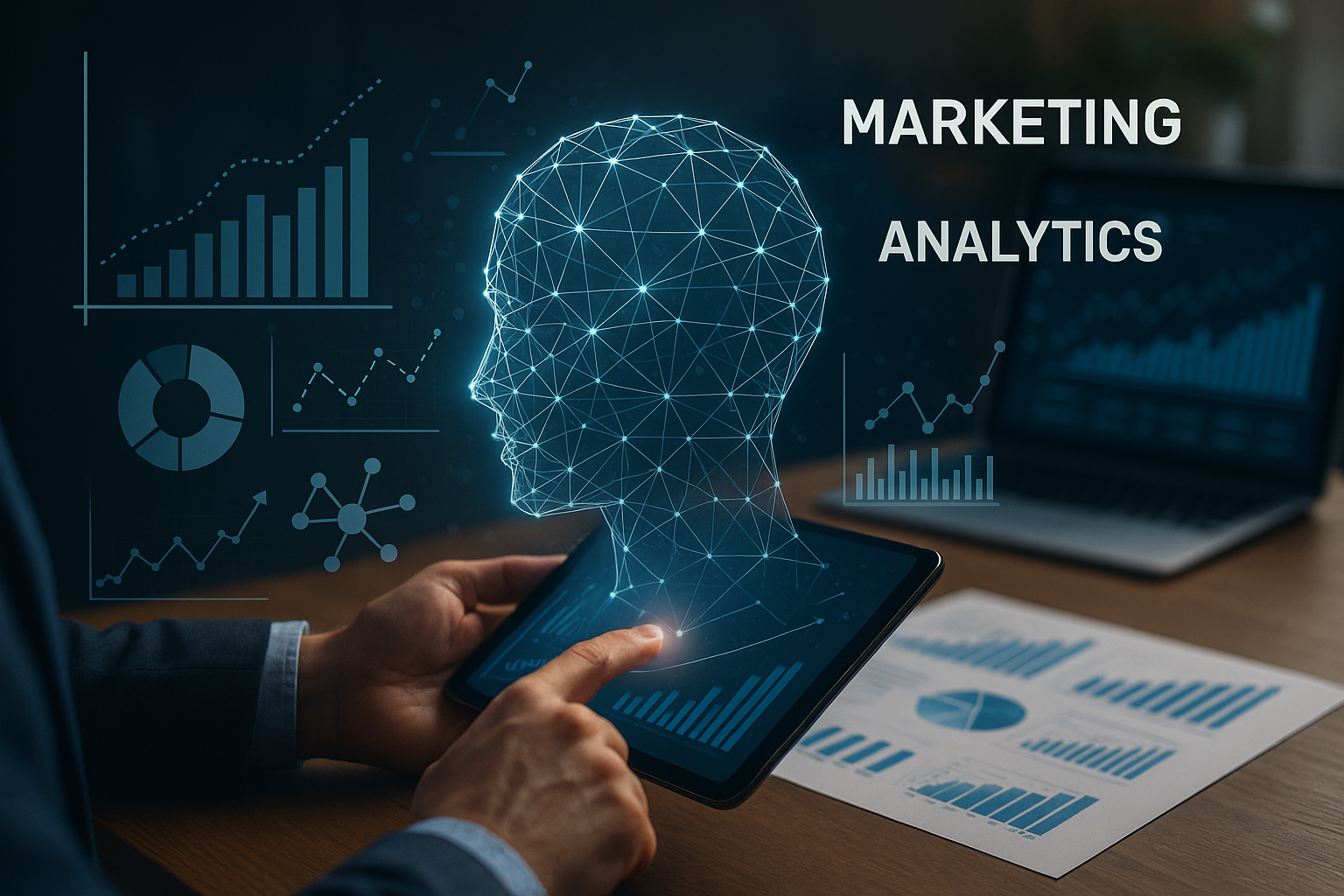
Discover how predictive analytics can transform your B2B marketing strategy. Learn to analyze data for better decision-making, anticipate customer needs, and enhance targeting. Dive into techniques and tools that drive measurable success.
📑 Table of Contents
- Understanding Predictive Analytics in B2BMarketing
- Selecting the Right Data for Predictive Models
- Ensuring Data Quality
- Developing Predictive Models
- Choosing the Right Algorithms
- Integrating Predictive Analytics into Marketing Campaigns
- Personalization at Scale
- Measuring the Effectiveness of Predictive Analytics
- Continuous Improvement through Feedback Loops
- Overcoming Common Challenges in Predictive Analytics
- Breaking Down Data Silos
- Choosing the Right Tools and Technologies
- Integration with Marketing Automation Platforms
Understanding Predictive Analytics in B2B Marketing
Predictive analytics in B2B marketing harnesses historical data, statistical algorithms, and machine learning techniques to identify the likelihood of future outcomes. This approach is used by marketers to make more informed decisions about customer targeting, lead scoring, and campaign optimization. It involves collecting data, developing predictive models, and applying them to current data to predict what might happen next.
Selecting the Right Data for Predictive Models
The accuracy of predictive analytics heavily depends on the quality of the data used. For B2B marketers, essential data types include demographic data, engagement data, transactional data, and behavioral data. Collecting high-quality data from various sources — CRM systems, website analytics, social media interactions, and email engagements — provides a comprehensive view that forms the backbone of effective predictive models.
Ensuring Data Quality
Before utilizing data, ensure it is clean and relevant. This means regularly updating the data sets to remove any obsolete or redundant information and verifying that the data is accurate and comprehensive. This process reduces the risk of model inaccuracies that could lead to misguided marketing strategies.
Developing Predictive Models
Creating a predictive model involves selecting algorithms that suit your specific marketing goals. Common techniques include regression analysis, clustering, and decision trees. Each model should be trained using historical data to learn and identify patterns that can predict future behaviors and outcomes in target markets.
Choosing the Right Algorithms
The choice of algorithm depends on the objective of your analysis. For instance, regression analysis can predict customer value, while clustering might be used to segment customers based on behavior. It’s important to experiment with different algorithms to find the one that best fits your data and marketing goals.
Integrating Predictive Analytics into Marketing Campaigns
Once you have developed predictive models, integrate them into your marketing strategy to target leads more effectively, personalize marketing messages, and optimize the timing and content of your campaigns. This integration should be seamless, ensuring that insights from the data directly influence marketing decisions in real-time.
Personalization at Scale
Use predictive analytics to tailor marketing messages and offers to individual prospects or customer segments. For example, predictive models can help determine which clients are most likely to respond to a particular product launch, allowing for more personalized and targeted marketing efforts.
Measuring the Effectiveness of Predictive Analytics
To truly understand the impact of predictive analytics on your B2B marketing efforts, it's crucial to measure performance against key metrics. These might include lead conversion rates, the accuracy of lead scoring, or ROI of targeted campaigns.
Continuous Improvement through Feedback Loops
Incorporate feedback loops into your predictive models to continuously refine and enhance their accuracy. By analyzing the outcomes of predictive-driven campaigns and feeding this information back into the model, you can adjust and improve your predictions over time, leading to even more effective marketing strategies.
Overcoming Common Challenges in Predictive Analytics
Implementing predictive analytics isn’t without its challenges. Common issues include data silos, lack of expertise, and resistance to change within organizations. Overcoming these challenges involves ensuring organizational alignment, investing in training for key personnel, and choosing the right technology that integrates well with existing systems.
Breaking Down Data Silos
Encourage collaboration between departments to share data and insights. This not only enriches the data pool for more accurate predictions but also fosters a culture of data-driven decision making across the organization.
Choosing the Right Tools and Technologies
Selecting the appropriate tools and technologies is crucial for successful predictive analytics. Look for platforms that can handle large volumes of data and support various predictive modeling techniques. The technology should also integrate seamlessly with other marketing tools and systems, providing a unified view of marketing activities and customer interactions.
Integration with Marketing Automation Platforms
To maximize the effectiveness of predictive analytics, ensure that your predictive tools integrate well with your marketing automation platforms. This integration allows for the automated execution of personalized marketing campaigns based on the insights derived from predictive models.
Predictive analytics is a powerful tool in the arsenal of any B2B marketer looking to gain a competitive edge. By understanding and implementing this approach, marketers can anticipate customer needs, personalize interactions, and optimize marketing efforts for better outcomes. Remember, the key to success with predictive analytics lies in the quality of your data, the appropriateness of your models, and the integration of insights into your marketing strategies.
Frequently Asked Questions
What is predictive analytics in B2B marketing?
Predictive analytics in B2B marketing refers to the use of data, statistical algorithms, and machine learning techniques to identify the likelihood of future outcomes based on historical data. The goal is to go beyond knowing what has happened to provide a best assessment of what will happen in the future. This can help B2B marketers anticipate customer needs, optimize marketing strategies, and enhance decision-making processes.
How can predictive analytics improve lead generation in B2B marketing?
Predictive analytics can significantly enhance lead generation by analyzing existing customer data to predict which potential customers are most likely to convert into leads. By understanding characteristics and behaviors of past successful conversions, businesses can target similar prospects more effectively. This targeted approach not only increases the efficiency of marketing campaigns but also reduces cost per acquisition and improves the overall quality of the leads generated.
What types of data are essential for building predictive models in B2B marketing?
Essential types of data for building predictive models in B2B marketing include customer demographic data, interaction data (such as email opens, website visits, and social media engagement), transactional data, and behavioral data. Additionally, incorporating external data like market trends, economic indicators, and industry-specific developments can enhance the accuracy and effectiveness of predictive models.
How do you measure the success of predictive analytics in B2B marketing?
The success of predictive analytics in B2B marketing can be measured through various metrics such as increased conversion rates, improved lead quality, higher ROI on marketing campaigns, and overall sales growth. Additionally, the reduction in customer acquisition costs and an increase in customer lifetime value are strong indicators of successful predictive analytics implementation. Regularly reviewing these metrics helps in fine-tuning the predictive models and strategies for better outcomes.
Can small businesses implement predictive analytics in their B2B marketing strategies?
Yes, small businesses can implement predictive analytics in their B2B marketing strategies. With the availability of cost-effective cloud-based analytics platforms and data collection tools, predictive analytics has become more accessible to businesses of all sizes. Small businesses can start with basic models using their existing customer data and gradually expand their capabilities as they grow, leveraging predictive
Sources and References
- Using Predictive Analytics in B2B Marketing - This Harvard Business Review article provides a comprehensive overview of how predictive analytics can be applied in B2B marketing, supporting the article's discussion on understanding predictive analytics and its strategic implementation in B2B scenarios.
- The Future Of B2B Marketing: Using Predictive Analytics - Forrester's research report elaborates on selecting the right data sets for predictive models in B2B marketing, aligning with the article's section on selecting the right data for predictive models.
- Ensuring Data Quality for Accurate Predictive Models in B2B Marketing - This research paper from arXiv provides insights into methodologies for ensuring data quality, which is crucial for developing effective predictive models in B2B marketing as discussed in the article.
- Developing Predictive Models for B2B Marketing - SAS provides a detailed whitepaper that explores various techniques and considerations in developing predictive models, directly supporting the article's section on this topic.
- Choosing the Right Algorithm for Predictive Analytics in B2B Marketing - This IBM developer article discusses different algorithms used in predictive analytics, providing practical advice that complements the article's section on choosing the right algorithms for B2B marketing.
- How B2B Digital Leaders Drive Five Times More Revenue Growth Than Their Peers - McKinsey's industry report highlights the impact of advanced digital and predictive analytics techniques in driving revenue growth in B2B companies, offering empirical evidence that underscores the importance of predictive analytics discussed in the article.