Leverage Market Segmentation for Precision in B2B Targeting
Understanding Market Segmentation in B2B Market segmentation is a strategic approach that divides a broad target market into subsets of businesses...

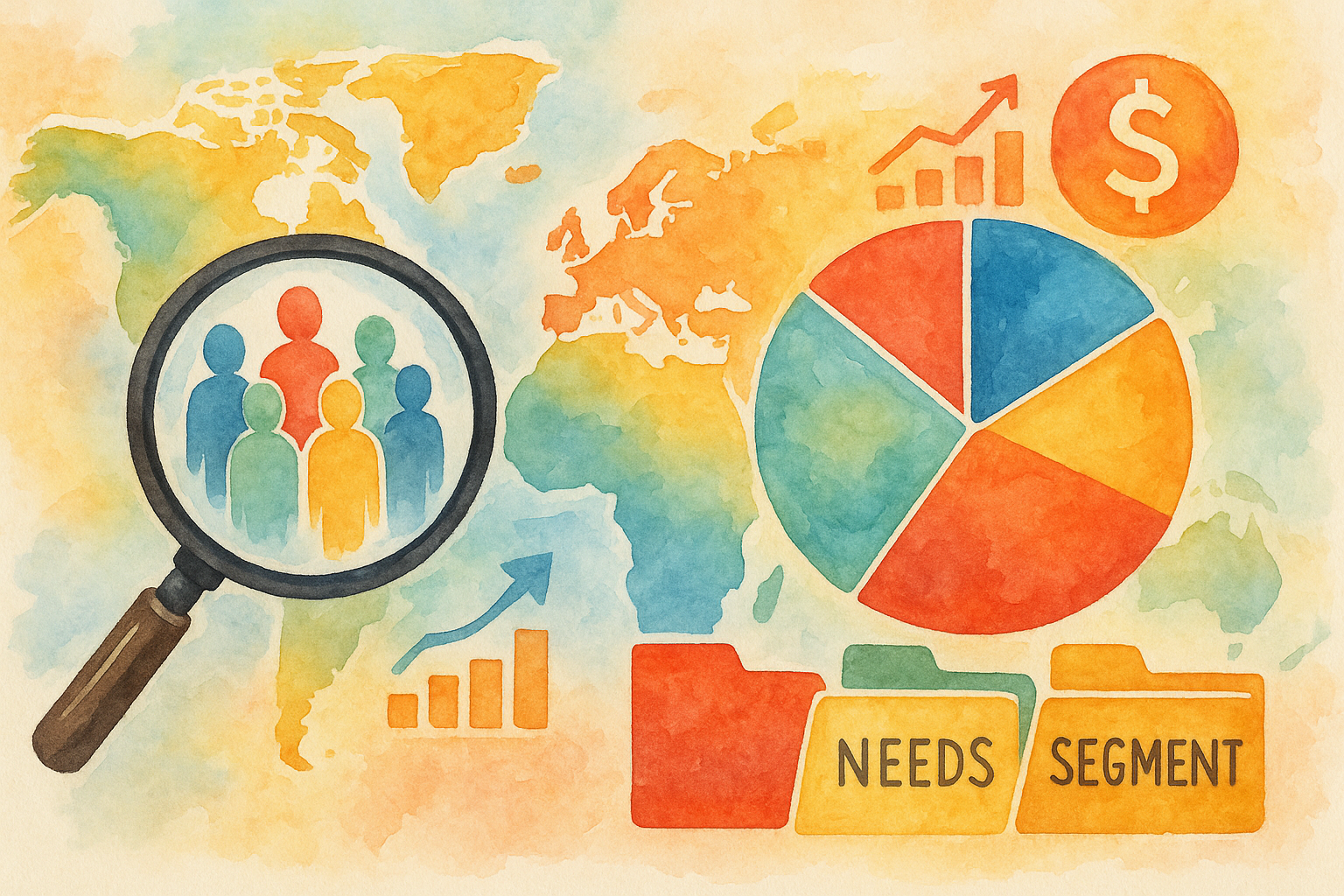
Discover how market segmentation can enhance your B2B strategy. Learn to identify and target key business segments, tailor marketing efforts, and boost ROI. This article guides you through the essential steps and tools needed for effective segmentation.
📑 Table of Contents
- Understanding Market Segmentation in B2B
- Identifying B2B Market Segments
- Demographic Segmentation
- Behavioral Segmentation
- Needs-Based Segmentation
- Collecting Data for Segmentation
- Utilizing CRM Systems
- Engaging with Sales Teams
- Applying Segmentation to Marketing Strategies
- Customizing Messaging
- Channel Selection
- Integrating Segmentation with Sales Processes
- Training Sales Teams
- Feedback Loops
- Measuring the Effectiveness of Market Segmentation
- Tracking Engagement Metrics
- Customer Feedback
- Overcoming Common Challenges in B2B Segmentation
- Adapting to Market Changes
- Data Integrity
Understanding Market Segmentation in B2B
Market segmentation is a strategic approach that divides a broad target market into subsets of businesses, organizations, or consumers that have, or are perceived to have, common needs, interests, and priorities. In the B2B (business-to-business) context, effective segmentation allows companies to focus their marketing efforts on specific audiences, making their marketing more efficient and impactful.
Identifying B2B Market Segments
Demographic Segmentation
This involves categorizing businesses based on demographic information such as industry, company size, and location. For example, a software provider might target small tech startups in North America with their product offerings tailored to this segment's specific needs and budget constraints.
Behavioral Segmentation
Behavioral segmentation looks at patterns of behavior displayed by organizations in their purchasing decisions, including usage rates, user status, and loyalty. For instance, a company might target businesses that are heavy users of their products with loyalty programs or special offers to enhance retention.
Needs-Based Segmentation
This segmentation focuses directly on the specific needs and challenges that potential customers face. Companies can develop solutions that address these unique challenges, thereby adding direct value to their target segment.
Collecting Data for Segmentation
Collecting robust data is critical for effective market segmentation. This can include primary data from surveys and interviews with current and potential clients, as well as secondary data from industry reports, case studies, and competitor analysis.
Utilizing CRM Systems
Customer Relationship Management (CRM) systems are invaluable in gathering data on existing customers. This data includes purchase history, feedback, and interaction logs, which help in understanding client behaviors and preferences.
Engaging with Sales Teams
Sales teams can provide insights into the needs, problems, and outcomes that matter most to customers. Regular interaction with the sales team ensures that segmentation strategies are aligned with ground realities.
Applying Segmentation to Marketing Strategies
Once segments are defined, businesses can tailor their marketing strategies to address the specific characteristics and needs of each segment.
Customizing Messaging
Create tailored messages that resonate with each segment. For instance, a business selling enterprise software might use a technical, feature-rich message for IT professionals, while a benefits-focused message might be more appropriate for executive decision-makers.
Channel Selection
Different segments often prefer different communication channels. While one segment might respond best to direct email campaigns, another might engage more with webinars or industry-specific online forums.
Integrating Segmentation with Sales Processes
Effective market segmentation should align closely with a company's sales processes to ensure that the sales team can efficiently convert leads from different segments into customers.
Training Sales Teams
Ensure that sales teams understand the characteristics of each segment and how to approach them. Tailored sales pitches and materials can help convert prospects into customers more effectively.
Feedback Loops
Establish feedback loops between marketing and sales teams to refine segmentation strategies over time. Regular reviews of what works and what doesn’t help in fine-tuning both marketing messages and sales approaches.
Measuring the Effectiveness of Market Segmentation
The success of market segmentation can be measured through various metrics, such as segment revenue growth, customer acquisition costs, and customer lifetime value.
Tracking Engagement Metrics
Analyze how different segments respond to specific marketing campaigns and channels. High engagement rates can indicate a good match between the segment’s preferences and the strategies used.
Customer Feedback
Regularly gather and analyze customer feedback to assess whether your market segmentation is effectively meeting the needs of each targeted segment.
Overcoming Common Challenges in B2B Segmentation
Adapting to Market Changes
Markets evolve, and so should segmentation strategies. Businesses need to stay informed about changes in their industry, customer preferences, and the competitive landscape to keep their segmentation relevant.
Data Integrity
Maintaining the accuracy and completeness of data used for segmentation is crucial. Inaccurate data can lead to misguided strategies that misalign with customer needs and market realities. By understanding and implementing these strategies, businesses can ensure that their market segmentation efforts are both effective and dynamic, adapting to changes and continuously optimizing to meet the needs of their B2B customers.
Frequently Asked Questions
What is market segmentation in a B2B context?
Market segmentation in a B2B context involves dividing a broad target market into subsets of businesses, organizations, or countries that have, or are perceived to have, common needs, interests, and priorities. The purpose is to design and implement strategies tailored to meet the specific needs of these segments, thereby enhancing marketing efficiency and effectiveness.
How do you identify different market segments in B2B marketing?
Identifying different market segments in B2B marketing typically involves conducting market research to gather data on potential customers. Key factors include geographic location, industry type, company size, buying patterns, and specific business needs. Advanced analytics and customer feedback can also play crucial roles in identifying distinct segments within a broader market.
What are the benefits of using market segmentation in B2B marketing?
Market segmentation in B2B marketing offers several benefits, including increased marketing efficiency by focusing resources on the most promising segments. It allows for more precise targeting through personalized marketing messages and product offerings, which leads to higher customer satisfaction and loyalty. Additionally, segmentation can result in better customer insights and competitive advantage by understanding and serving specific segments better than competitors.
Can market segmentation impact sales strategies in B2B businesses?
Yes, market segmentation can significantly impact sales strategies in B2B businesses. By understanding the unique characteristics and needs of each segment, businesses can tailor their sales approaches, customize their value propositions, and allocate resources more effectively. This targeted approach can lead to higher conversion rates, increased sales efficiency, and ultimately, greater revenue growth.
What are some common challenges in implementing market segmentation in B2B marketing?
Implementing market segmentation in B2B marketing can pose challenges such as accurately defining market segments, collecting reliable and sufficient data, and managing increased complexity in marketing strategies. Additionally, aligning internal teams and resources to effectively target different segments can be difficult, requiring strong coordination and clear communication within the organization.
Sources and References
- A Fresh Look at Sales and Marketing - This source from McKinsey provides an in-depth analysis of modern sales and marketing strategies in the B2B sector, emphasizing the importance of market segmentation for effective targeting. It offers case studies and examples that illustrate how demographic and behavioral segmentation can enhance marketing efforts.
- Using Segmentation to Drive Growth - Published by Harvard Business Review, this article discusses various approaches to market segmentation, including needs-based segmentation. It provides strategic insights on how businesses can identify and cater to the specific needs of different market segments to improve product offerings and increase sales.
- U.S. Census Bureau Age and Sex Composition Data - This official government source offers comprehensive demographic data which can be crucial for businesses looking to employ demographic segmentation in their B2B marketing strategies. The data helps in understanding age and sex composition of different regions, aiding in precise market targeting.
- Market Segmentation Algorithms and Their Impact on Market Segments - This research paper from arXiv provides a technical overview of various algorithms used in market segmentation. It includes discussions on how these algorithms can be applied to B2B markets to refine segmentation practices and improve targeting accuracy.
- The B2B Revenue Marketing Playbook - Forrester's comprehensive guide explores advanced techniques in B2B marketing, focusing on how effective segmentation and targeted marketing strategies can drive revenue growth. It provides insights into integrating behavioral data with demographic and needs-based segmentation to optimize marketing efforts.
- How to Use Data to Drive Your Content Strategy - This article from the Content Marketing Institute discusses the role of data in crafting effective content strategies for B2B marketing. It highlights how data-driven insights from market segmentation can inform content creation, ensuring it resonates with the intended audience segments.