Leverage Customer Insights for a Winning B2B Marketing Strategy
Understanding the Importance of Customer Insights in B2B Marketing Customer insights form the bedrock of successful B2B marketing strategies. These insights...

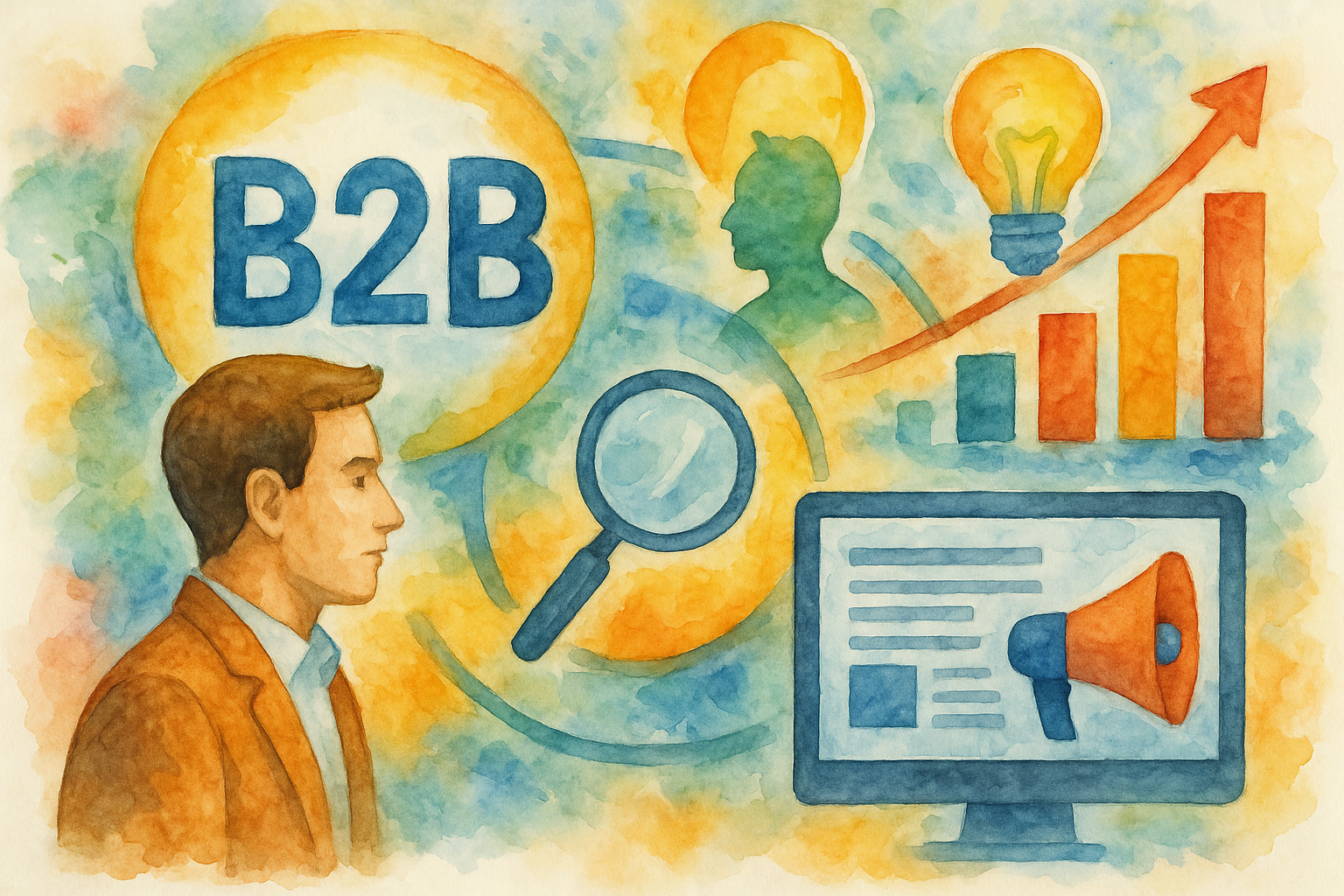
Discover how to enhance your B2B marketing strategy using customer insights. This article explores techniques for gathering data, analyzing behavior, and tailoring communications to boost engagement and conversions. Learn to leverage deep insights for impactful marketing decisions.
📑 Table of Contents
- Understanding the Importance of Customer Insights in B2BMarketing
- Building a Data-Driven Insight Framework
- Segmentation and Targeting Based on Customer Insights
- Developing Content That Resonates
- Optimizing Channels and Touchpoints
- Measuring Success and Iterating on Your Strategy
- Practical Takeaway
Understanding the Importance of Customer Insights in B2B Marketing
Customer insights form the bedrock of successful B2B marketing strategies. These insights provide a deep understanding of the needs, behaviors, and decision-making processes of business clients. Integrating customer insights into your marketing strategy can lead to more targeted campaigns, enhanced customer experiences, and ultimately, a significant increase in ROI. To gather actionable customer insights, companies employ various data collection methods such as surveys, interviews, focus groups, and analysis of customer data. This data is then analyzed to uncover patterns and trends that inform strategic decisions. By understanding what drives your customers' decisions, you can tailor your marketing efforts to address their specific needs and pain points.
Building a Data-Driven Insight Framework
Creating a framework for collecting and analyzing customer data is crucial. This involves identifying key data points that are relevant to your marketing goals and setting up systems to capture this data efficiently. For example, tracking customer interactions across various touchpoints can provide insights into their preferences and behaviors. Use analytic tools to process this data and extract meaningful insights. This might involve sophisticated software that can handle large datasets and provide comprehensive analytics. The aim is to transform raw data into actionable intelligence that can guide your marketing strategies.
Segmentation and Targeting Based on Customer Insights
Once you have a robust set of customer insights, the next step is to segment your market. Segmentation involves dividing your customer base into groups that share similar characteristics. This could be based on industry, company size, role in the buying process, or specific needs and pain points. Effective segmentation allows for more personalized and relevant marketing efforts. Targeting then involves choosing which of these segments to focus your marketing efforts on. By targeting the segments where your products or services are most needed, you can increase the efficiency of your marketing spend. Tailored messaging that addresses the specific concerns of a segment leads to better engagement and conversion rates.
Developing Content That Resonates
Content is a critical component of any B2B marketing strategy. The insights gathered about your customers should guide the content creation process. This means developing content that addresses the specific needs, challenges, and interests of your target segments. The types of content might include white papers, case studies, blog posts, and videos. Each piece should provide value to the customer, either by solving a problem, providing insights, or educating them on industry trends and solutions. The goal is to position your company as a thought leader and go-to resource in your industry.
Optimizing Channels and Touchpoints
Choosing the right channels is essential for reaching your target audience effectively. Based on your customer insights, identify where your customers spend most of their time online and the types of content they consume. Common channels in B2B marketing include LinkedIn, industry blogs, email newsletters, and webinars. Each touchpoint with a customer should be optimized to provide the best possible experience and to encourage further engagement. This includes everything from the initial ad they might click on, to the landing page they arrive at, to the follow-up communications they receive. Consistency across all touchpoints reinforces your brand message and enhances trust.
Measuring Success and Iterating on Your Strategy
To ensure that your customer insight-driven marketing strategy is effective, it's crucial to measure its performance regularly. Set clear KPIs (Key Performance Indicators) based on your marketing goals. These might include metrics such as lead generation, conversion rates, customer acquisition costs, and customer lifetime value. Use these metrics to assess what's working and what isn't. This ongoing evaluation allows you to iterate and improve your strategy over time. Perhaps certain messages resonate more with your audience or specific channels yield better results. Use this data to refine your approach continuously.
Practical Takeaway
Implementing a B2B marketing strategy focused on customer insights is not a one-time effort but a continuous process of learning and adaptation. Begin by establishing a solid framework for gathering and analyzing customer data. Use these insights to segment your audience and tailor your marketing efforts to meet their specific needs. Develop engaging, insightful content and choose the right channels for distribution. Finally, measure the effectiveness of your strategies and refine them based on performance data. By focusing on customer insights, you ensure that your marketing efforts are not just aligned with your business objectives but also with the needs and preferences of your customers, leading to better engagement and higher conversions.
Frequently Asked Questions
What are the key elements of a B2B marketing strategy focused on customer insights?
The key elements of a B2B marketing strategy centered on customer insights include thorough market research, data analysis, segmentation, personalized content creation, and continuous feedback loops. Effective use of these elements helps in understanding customer behaviors, preferences, and pain points, which can guide the development of tailored marketing campaigns and product offerings.
How can B2B companies effectively gather customer insights?
B2B companies can effectively gather customer insights through various methods such as customer interviews, surveys, focus groups, and analyzing customer data from CRM systems. Additionally, leveraging social media analytics and monitoring industry trends are crucial for gaining deeper insights into customer behaviors and expectations.
Why is content important in a B2B marketing strategy focused on customer insights?
Content is crucial in a B2B marketing strategy as it helps communicate the value proposition to the target audience effectively. Tailored content that addresses specific customer needs, challenges, and industry trends can significantly enhance engagement, build trust, and position the company as a thought leader. This relevance in content driven by customer insights leads to better customer relationships and business outcomes.
Sources and References
- The B2B digital inflection point: How sales have changed during COVID-19 - This McKinsey report explores the shift in B2B marketing and sales dynamics in response to digital transformation accelerated by the COVID-19 pandemic. It supports the article's discussion on the importance of leveraging customer insights for effective digital engagement and segmentation.
- Using Customer Insights to Build a Better B2B Marketing Strategy - This Harvard Business Review article provides a deep dive into how B2B companies can structure their marketing strategies around customer insights. It validates the article’s emphasis on building a data-driven insight framework and tailoring content strategies to meet customer needs.
- Segmentation in B2B Marketing and Sales - Forrester's research outlines effective segmentation and targeting techniques based on robust customer insights. This source is particularly relevant to the article's section on segmentation and targeting, providing methodologies and case studies.
- Content Strategies That Resonate With B2B Audiences - This article from the Content Marketing Institute discusses strategies for developing B2B content that resonates with audiences, supporting the article's section on creating impactful content based on customer insights.
- Machine Learning in B2B Sales and Marketing - A research paper from Google that discusses the application of machine learning techniques in analyzing customer data to enhance marketing strategies. This supports the article's discussion on using advanced data analytics for deriving deeper customer insights.
- Optimizing B2B Marketing Channels and Touchpoints - Salesforce provides a guide on optimizing marketing channels and touchpoints in a B2B context. This is particularly relevant to the article's section on channel optimization, offering practical advice and strategies.