Leverage AI to Boost Your Demand Generation Content Strategy
Artificial Intelligence (AI) has revolutionized the way marketing professionals approach demand generation. By leveraging AI, marketers can create more...

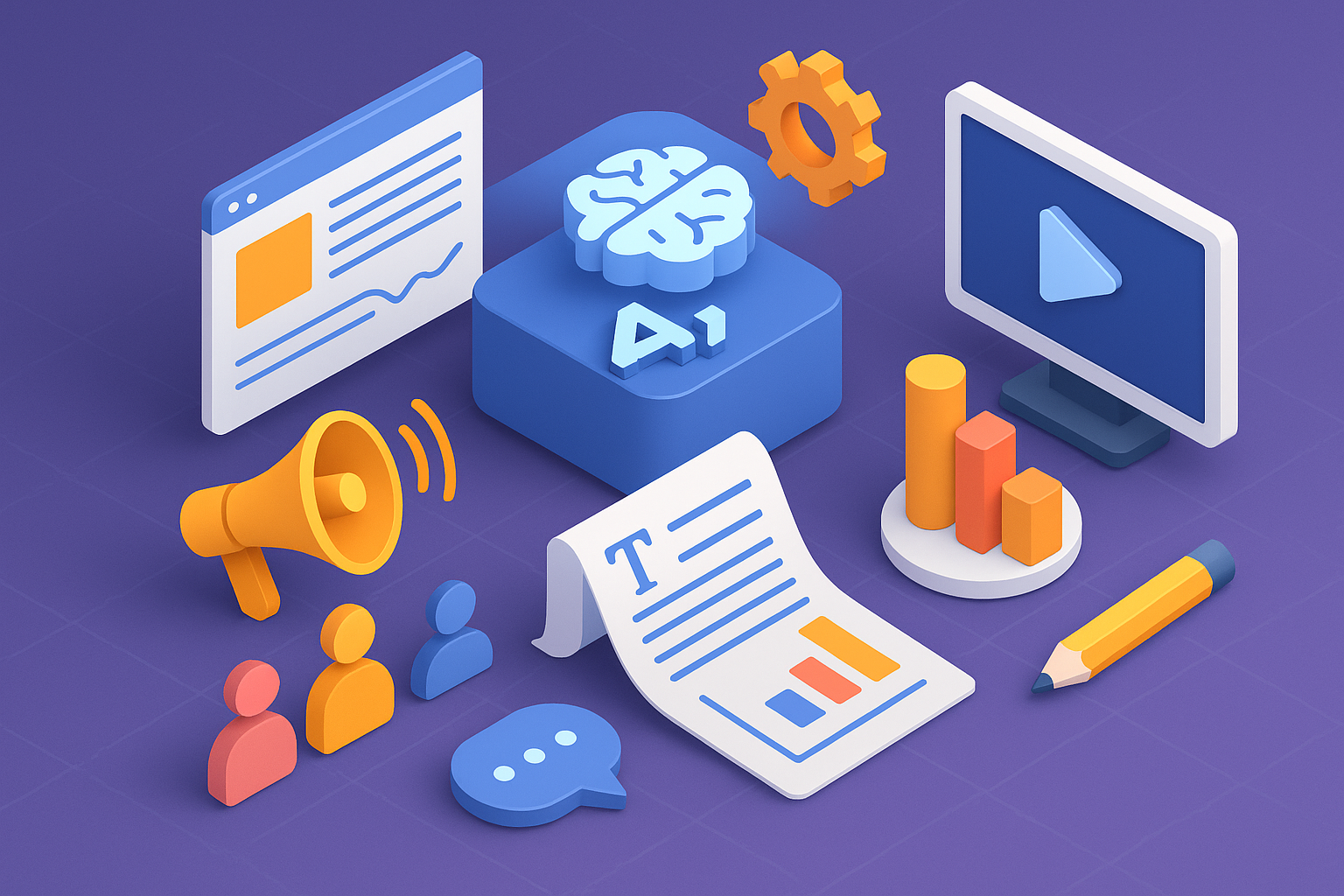
Discover how AI can revolutionize demand generation content. Learn to leverage AI tools for data-driven insights, personalized content creation, and automated outreach strategies, enhancing both efficiency and engagement.
📑 Table of Contents
- UnderstandingAI's Role in Demand Generation Content
- Setting Up AI Tools for Content Creation
- Creating AI-Enhanced Content Strategies
- Personalizing Content with AI
- Optimizing Content Performance with AI
- Scaling Content Production with AI Automation
- Navigating Challenges and Measuring Success in AI-Driven Demand Generation
Understanding AI's Role in Demand Generation Content
Artificial Intelligence (AI) has revolutionized the way marketing professionals approach demand generation. By leveraging AI, marketers can create more targeted, personalized, and effective content strategies that resonate with their audience. Understanding the role of AI in content creation and distribution is the first step to harnessing its power.
AI-driven tools analyze large data sets to uncover patterns and insights about consumer behavior, preferences, and engagement. This data-driven approach allows for the optimization of content across various platforms, ensuring that it reaches the right audience at the right time.
Setting Up AI Tools for Content Creation
Choosing the right AI tools is crucial for successful demand generation. These tools can range from content management systems (CMS) that integrate AI for SEO optimization to advanced analytics platforms that predict content performance. When selecting tools, focus on those that align with your specific marketing goals and integrate seamlessly with your existing technology stack.
Actionable Steps:
- Evaluate various AI tools based on their ability to generate and analyze consumer insights.
- Ensure compatibility with your current systems to facilitate smooth workflow integration.
- Consider tools that offer scalability as your content needs grow and evolve.
Creating AI-Enhanced Content Strategies
With AI tools in place, the next step is to develop a content strategy that leverages AI capabilities. AI can help identify the types of content that are most likely to engage your target audience, suggest the best channels for distribution, and even recommend the optimal times for posting.
Actionable Steps:
- Use AI to conduct content audits to determine what works and what doesn’t.
- Implement AI-driven content recommendations to enhance topic relevance and engagement.
- Plan content distribution across channels based on AI insights to maximize reach and impact.
Personalizing Content with AI
Personalization is key in demand generation. AI excels in segmenting audiences and tailoring content to individual preferences, behaviors, and past interactions. This individualized approach not only improves engagement rates but also enhances the overall customer experience.
Actionable Steps:
- Integrate AI with your CRM to leverage existing customer data for personalized content creation.
- Utilize AI-driven analytics to continuously refine audience segments based on new data.
- Create dynamic content that adapts to user interactions and feedback.
Optimizing Content Performance with AI
Once your content is live, AI tools can provide ongoing analytics to measure performance and suggest improvements. These insights are invaluable for understanding what resonates with your audience and for making real-time adjustments to your strategy.
Actionable Steps:
- Monitor key performance indicators (KPIs) such as engagement rates, conversion rates, and social shares with AI analytics tools.
- Adjust content strategies based on AI-generated reports and forecasts.
- Use A/B testing powered by AI to optimize content elements like headlines, images, and calls to action.
Scaling Content Production with AI Automation
AI can significantly enhance the efficiency of content production. Automation tools can generate basic content drafts, suggest improvements, and even help manage content calendars. This frees up human marketers to focus on creative and strategic tasks that require a human touch.
Actionable Steps:
- Implement AI content generation tools for creating quick drafts or basic content structures.
- Use AI to automate routine tasks such as posting schedules and social media updates.
- Leverage AI for real-time content optimization based on audience engagement and feedback.
Navigating Challenges and Measuring Success in AI-Driven Demand Generation
While AI offers numerous advantages, it's important to be aware of challenges such as data privacy concerns and the potential for over-reliance on technology. It’s crucial to maintain a balance between AI-driven automation and human insight.
To measure the success of your AI-driven demand generation efforts, focus on both quantitative metrics like ROI and lead generation rates, as well as qualitative feedback such as customer satisfaction and brand perception.
Actionable Steps:
- Regularly review compliance and ethical considerations in your use of AI.
- Balance AI insights with human judgment to ensure content remains authentic and true to your brand.
- Continuously track and analyze performance metrics to refine and adjust your strategies.
By understanding and implementing these strategies, marketing professionals can effectively use AI to enhance their demand generation efforts, ultimately leading to more successful marketing outcomes and a stronger connection with their audience.
Frequently Asked Questions
What is AI-driven demand generation content?
AI-driven demand generation content refers to the strategic use of artificial intelligence tools to create and distribute content that aims to increase awareness, interest, and engagement among a specific target audience. This type of content leverages AI to analyze data, predict trends, personalize messages, and optimize content distribution channels to effectively reach potential customers and generate demand for products or services.
How can AI tools enhance content creation for demand generation?
AI tools can greatly enhance content creation by providing insights into audience preferences and behaviors, automating repetitive tasks, and generating content ideas at scale. These tools can help identify the topics and formats that resonate most with an audience, optimize content for search engines, and personalize content to address the specific needs and interests of different segments of the audience. Additionally, AI can assist in A/B testing different versions of content to determine which performs best in terms of engagement and conversion rates.
What are the best practices for integrating AI into your demand generation strategy?
Best practices for integrating AI into your demand generation strategy include starting with a clear understanding of your goals and audience, selecting the right AI tools that align with your content needs, and continuously monitoring and refining your approach based on performance data. It's also crucial to maintain a balance between automated and human-driven content creation to ensure authenticity and emotional connection with the audience. Regularly updating your AI models and data inputs to reflect current trends and audience insights is essential for sustaining the effectiveness of your strategy.
Can AI replace human creativity in content generation?
While AI can significantly augment the content generation process by providing data-driven insights, automating routine tasks, and generating basic content drafts, it cannot fully replace human creativity. The human touch is essential for crafting narratives that truly resonate with emotions, understanding subtle cultural nuances, and driving innovative content strategies that reflect brand values and vision. Therefore, the most effective approach is to use AI as a tool to enhance human creativity, not to replace it.
Sources and References
- The Role Of AI In Content Creation And Demand Generation - This Forrester report explores how AI tools can be leveraged in content creation to enhance demand generation strategies. It provides empirical data and expert analysis on the efficiency of AI in personalizing and optimizing content, which supports the sections on "Creating AI-Enhanced Content Strategies" and "Personalizing Content with AI".
- Machine Learning in Content Personalization - This research paper from Google discusses the application of machine learning algorithms in personalizing content. It provides a technical foundation for the "Personalizing Content with AI" section, offering insights into how algorithms interpret user data to tailor content effectively.
- How AI is Shaping Content Marketing - Content Marketing Institute provides an in-depth analysis of current trends in AI for content marketing. This source is particularly useful for understanding the broader implications of AI tools in content strategy, relevant to the "Setting Up AI Tools for Content Creation" section of the article.
- How AI is Transforming the Landscape of Content Creation - Harvard Business Review article that discusses the transformation brought by AI in content creation, supporting claims made in the "Creating AI-Enhanced Content Strategies" section. It provides case studies and expert opinions on the effectiveness of AI in generating engaging and targeted content.
- What is Marketing Automation? - Salesforce explains the concept of marketing automation, integrated with AI, which is crucial for the "Optimizing Content Performance with AI" section. This source offers a clear explanation of how AI can automate content distribution and performance analysis to maximize audience engagement.
- Advancements in AI and Machine Learning for Digital Marketing - This academic paper from arXiv provides a comprehensive overview of recent advancements in AI technologies applicable to digital marketing. It supports the technical discussion on AI tools in the "Setting Up AI Tools for Content Creation" and provides a scholarly perspective on the evolution of AI capabilities in marketing.