How to Implement a B2B Content Strategy for Multi-Channel Engagement
Implementing a Business-to-Business (B2B) content strategy for multi-channel engagement involves creating and distributing valuable, relevant, and consistent...

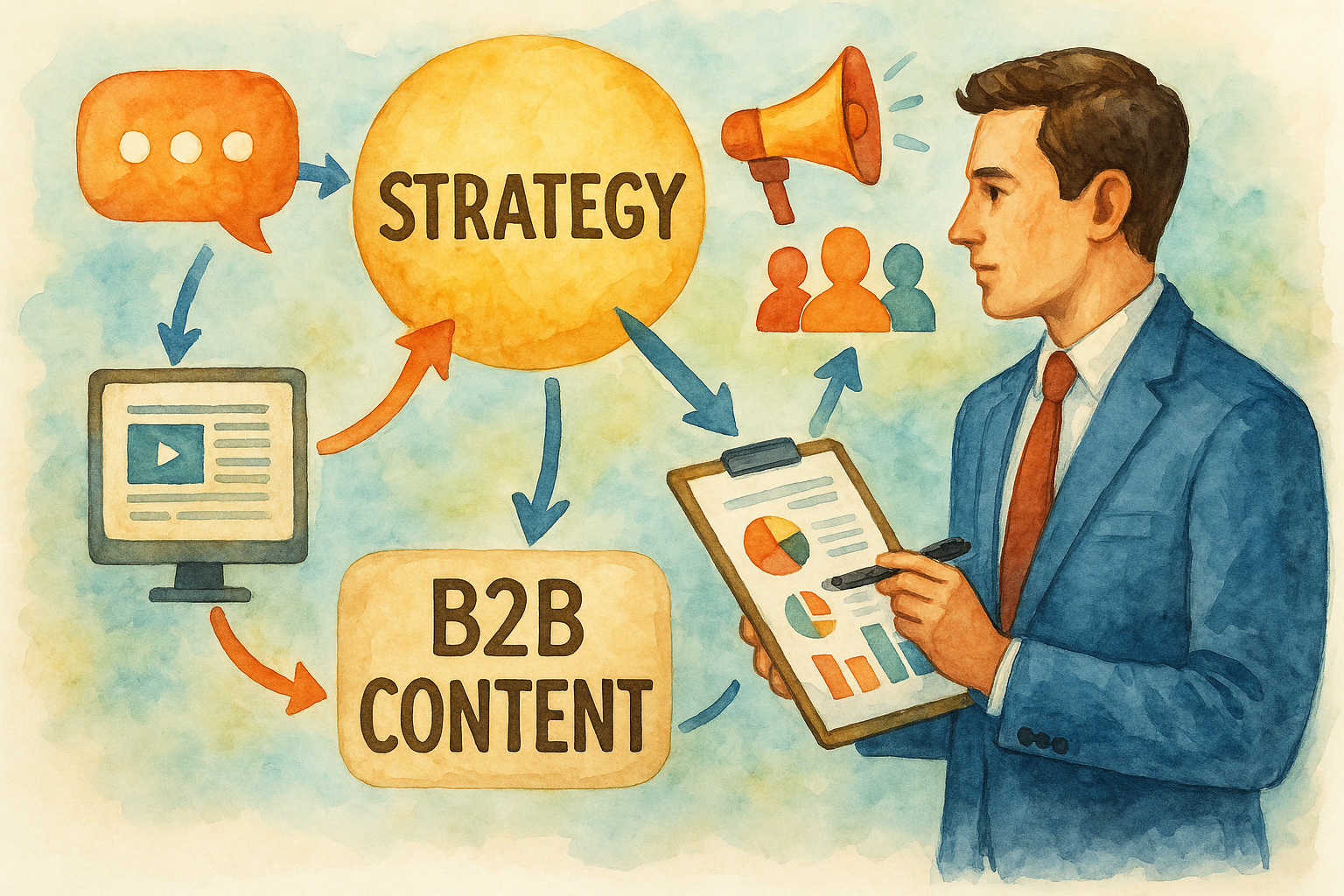
Discover how to craft a robust B2B content strategy that boosts engagement across multiple channels. This article covers key tactics for content creation, distribution, and measurement to enhance your brand's reach and impact.
📑 Table of Contents
- Understanding the Essence of B2B Content Strategy for Multi-Channel Engagement
- Identifying Your Target Audience and Their Preferences
- Utilizing Buyer Personas
- Channel Preferences
- Creating Compelling Content That Resonates
- Types of Content
- Consistency and Quality
- Optimizing Content for Each Channel
- SEO for Organic Reach
- Formatting for Platform
- Integrating Technology in Your Content Strategy
- AutomationTools
- Analytics and Reporting
- Measuring Success and Adapting Strategies
- KPIs to Monitor
- Feedback Loops
- Practical Takeaways for B2B Multi-Channel Content Strategy
Understanding the Essence of B2B Content Strategy for Multi-Channel Engagement
Implementing a Business-to-Business (B2B) content strategy for multi-channel engagement involves creating and distributing valuable, relevant, and consistent content to attract and retain a clearly defined audience. The objective is to drive profitable customer action across multiple platforms. As B2B sales cycles are typically longer and involve multiple stakeholders, a robust content strategy that spans various channels is essential.
Identifying Your Target Audience and Their Preferences
Before diving into content creation, it is crucial to understand who the target audience is and what their preferences are. This involves identifying the decision-makers within the businesses you are targeting, understanding their pain points, and recognizing the platforms they frequent. This demographic and psychographic profiling informs the type of content you should produce and where you should distribute it.
Utilizing Buyer Personas
Develop detailed buyer personas that represent your ideal customer. These should include job titles, industry details, challenges, and information consumption preferences. This level of detail helps tailor content that resonates deeply with your audience.
Channel Preferences
Research where your audience spends their time. Common channels in a B2B context include LinkedIn, industry blogs, email newsletters, and webinars. The choice of channel influences the style, tone, and format of the content.
Creating Compelling Content That Resonates
The core of a successful B2B content strategy is compelling content. This content must not only attract attention but also encourage engagement and drive conversions. The content should establish your brand as a thought leader in your industry, providing insights that cannot be found elsewhere.
Types of Content
Consider a variety of content types such as whitepapers, case studies, blogs, videos, and infographics. Each type serves different purposes and works better at different stages of the buyer's journey. For instance, while blogs are great for awareness, case studies are more effective during the consideration stage.
Consistency and Quality
Maintain a consistent voice and quality across all content. This consistency helps build trust with your audience. Ensure all content is well-researched, fact-checked, and provides real value.
Optimizing Content for Each Channel
Each channel has its own set of rules and best practices for content. Understanding these will allow you to optimize your content to perform well on each respective platform.
SEO for Organic Reach
For channels like blogs and websites, SEO is crucial. Use relevant keywords, meta tags, and links to ensure your content is discoverable through search engines.
Formatting for Platform
Adapt your content's format to fit the platform. For instance, LinkedIn posts might be shorter and more professional, while blog posts can be longer and more detailed.
Integrating Technology in Your Content Strategy
Utilize technology to streamline content creation, distribution, and monitoring. Tools such as Content Management Systems (CMS), Customer Relationship Management (CRM) systems, and analytics platforms can enhance efficiency and effectiveness.
Automation Tools
Use automation tools for scheduling posts, segmenting audiences, and personalizing emails. Automation not only saves time but also helps in delivering content at the most opportune moments.
Analytics and Reporting
Implement analytics tools to track engagement and performance across channels. This data is invaluable for understanding what works and what doesn’t, allowing for timely adjustments to your strategy.
Measuring Success and Adapting Strategies
Define clear metrics for success early in your campaign. These could include lead generation, website traffic, engagement rates, or actual sales. Regularly review these metrics to gauge the effectiveness of your content strategy.
KPIs to Monitor
Key Performance Indicators (KPIs) such as click-through rates, bounce rates, and conversion rates are critical to understanding content performance. Additionally, pay attention to social shares and comments to measure engagement.
Feedback Loops
Establish feedback loops that allow you to gather insights directly from your audience. This could be through surveys, comment sections, or direct customer outreach. Use this feedback to refine your content and strategy.
Practical Takeaways for B2B Multi-Channel Content Strategy
To effectively implement a B2B content strategy for multi-channel engagement, it is vital to understand your audience deeply, create high-quality and relevant content, optimize it for different channels, leverage the right technology, and consistently measure and refine your approach. By focusing on these elements, you can build a robust content strategy that not only reaches but resonates with your target businesses, driving meaningful engagement and conversions.
Frequently Asked Questions
What are the key components of a successful B2B content strategy?
A successful B2B content strategy typically involves understanding your audience, creating high-quality and relevant content, utilizing a variety of channels for distribution, and consistently analyzing and optimizing the content based on performance metrics. Key components include audience analysis, content creation aligned with business objectives, strategic channel selection for content distribution, and ongoing measurement and refinement of the strategy.
How can multi-channel engagement enhance a B2B content strategy?
Multi-channel engagement can significantly enhance a B2B content strategy by increasing the reach and impact of content across different platforms. This approach ensures that content meets the audience where they are, whether it's on social media, email, blogs, or industry publications. By engaging with the audience through multiple channels, businesses can improve brand visibility, foster stronger relationships, and drive more meaningful interactions, ultimately leading to increased conversions and customer retention.
What metrics should be considered to measure the effectiveness of a B2B content strategy?
To measure the effectiveness of a B2B content strategy, consider metrics such as website traffic, lead generation, engagement rates (like shares, comments, and likes), conversion rates, and customer feedback. Additionally, analyzing the return on investment (ROI) of content campaigns and tracking the performance of specific content pieces across different channels can provide insights into what strategies are working and what needs adjustment.
Sources and References
- The Forrester Wave: B2B Content Platforms Q2 2021 - This report from Forrester provides a comprehensive analysis of current B2B content platforms, emphasizing the importance of multi-channel engagement. It supports the article's discussion on utilizing different channels effectively to enhance engagement with the target audience.
- 2021 B2B Content Marketing Benchmarks, Budgets, and Trends - This annual report by the Content Marketing Institute outlines key trends and benchmarks in B2B content marketing, offering valuable statistics that underscore the importance of a well-defined content strategy for engaging a B2B audience across multiple channels as discussed in the article.
- What B2B Sales Need from Content Marketing - An article from Harvard Business Review that explores the specific needs of B2B sales teams from content marketing strategies, aligning closely with the article's focus on creating content that resonates with the audience and drives engagement.
- Artificial Intelligence and Content Marketing - This research paper on arXiv discusses the emerging role of AI in content marketing, particularly in analyzing and predicting buyer behavior across different channels. It provides a scientific foundation for the article's section on utilizing AI to enhance content strategy in a B2B setting.
- Google Webmaster Guidelines - Google's official documentation on best practices for SEO, which is essential for the article's discussion on optimizing B2B content for better visibility and engagement across multiple channels.
- The B2B digital inflection point: How sales have changed during COVID-19 - McKinsey & Company's analysis on how B2B sales and marketing strategies have shifted towards digital and multi-channel approaches during the pandemic. This source supports the article's emphasis on adapting content strategies to current market conditions and buyer preferences.