How to Elevate Your B2B Campaigns with Effective A/B Testing
Understanding the Role of A/B Testing in B2B Marketing Strategies A/B testing serves as a critical tool in B2B marketing, allowing teams to make data-driven...

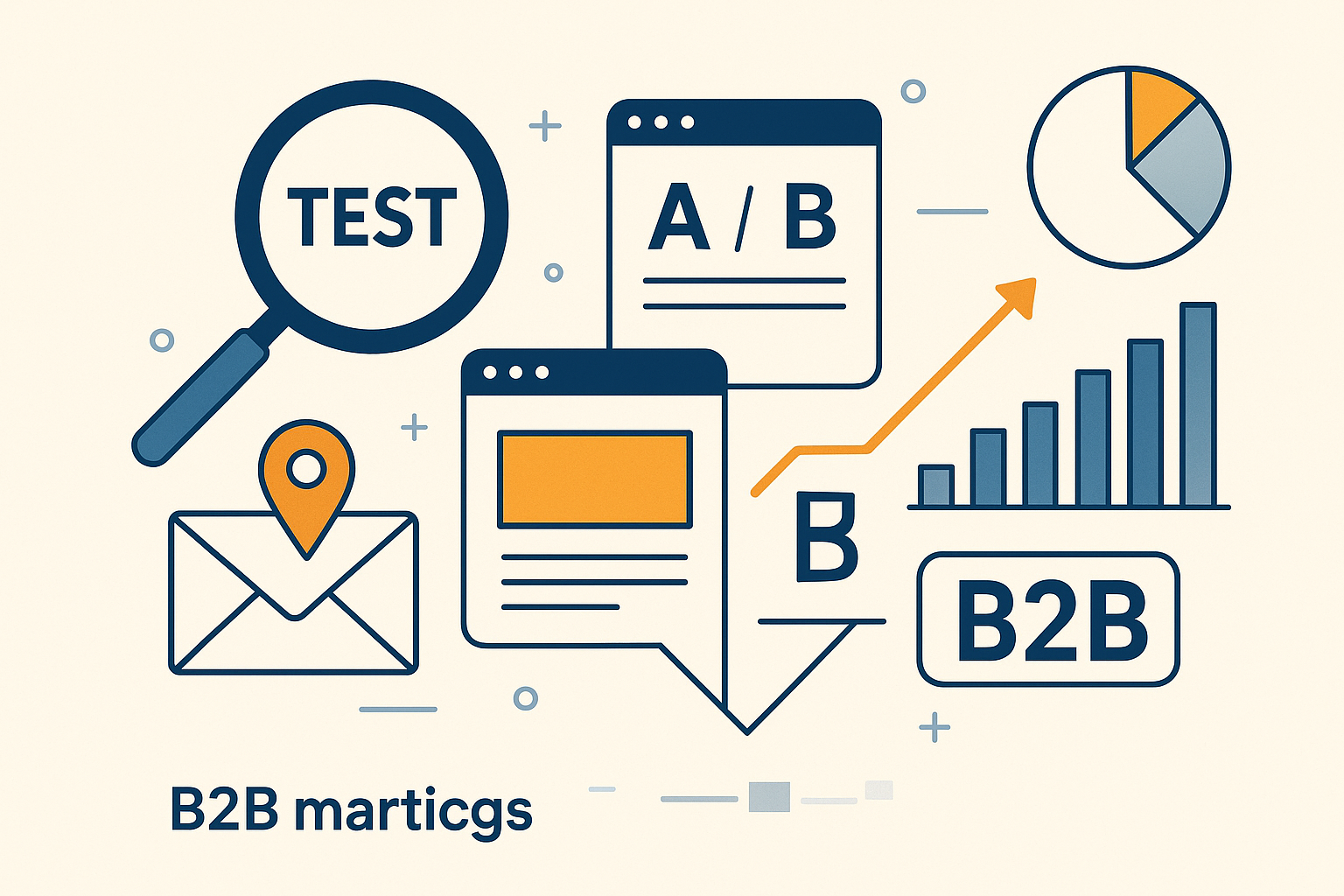
Discover the best practices for conducting A/B testing in B2B campaigns. This guide covers designing effective tests, choosing the right metrics, and interpreting results to refine your marketing strategy and boost ROI.
📑 Table of Contents
- Understanding the Role of A/B Testing in B2BMarketingStrategies
- Setting Clear Objectives for A/B Testing
- Designing Your A/B Test for Reliable Results
- Choosing the Right Metrics to Track Success
- Analyzing and Interpreting A/B Test Data
- Implementing Insights and Continuous Improvement
- Integrating A/B Testing into B2B Marketing Culture
Understanding the Role of A/B Testing in B2B Marketing Strategies
A/B testing serves as a critical tool in B2B marketing, allowing teams to make data-driven decisions that enhance the effectiveness of their campaigns. By comparing two versions of a marketing asset—whether an email, landing page, or advertisement—marketers can identify which version performs better in terms of specific, pre-defined metrics such as click-through rates, conversion rates, or lead generation.
Setting Clear Objectives for A/B Testing
Before launching an A/B test, it's crucial to define clear, measurable objectives. Are you aiming to increase email open rates, boost engagement on a landing page, or improve the conversion rate of a signup form? Setting specific goals not only focuses the test but also ensures that the results are actionable. For instance, if the objective is to increase the download rate of a white paper, your A/B test might compare different calls-to-action (CTAs) to see which is more effective.
Designing Your A/B Test for Reliable Results
The design of your A/B test can significantly impact its reliability and the validity of its outcomes. Consider these key elements: - Sample Size: Ensure that the test reaches a statistically significant audience size. Tools like sample size calculators can assist in determining how many participants are needed based on your expected effect size and statistical significance level. - Randomization: Assign users to each version (A or B) randomly to eliminate selection bias, ensuring that other variables do not skew the results. - Controlled Variables: Keep all other variables constant except for the one being tested. For example, if testing two versions of an email subject line, ensure that the email content, sender, and send time remain the same.
Choosing the Right Metrics to Track Success
Selecting appropriate metrics is essential for interpreting A/B test results accurately. These metrics should align directly with your test objectives. Common metrics for B2B campaigns include: - Conversion Rates: Measures the percentage of users who complete a desired action, providing direct insight into the effectiveness of the tested element. - Engagement Metrics: These could include time spent on page, interaction with on-page elements, or social shares, depending on what’s being tested. - Revenue Metrics: Particularly in B2B, longer sales cycles mean that initial conversions might not immediately translate to revenue. Metrics like lead quality and close rate can also be valuable.
Analyzing and Interpreting A/B Test Data
Once your A/B test is complete, the analysis phase begins. Use statistical tools to determine whether the differences in performance between the two versions are statistically significant. Avoid common pitfalls in data interpretation: - Look Beyond "Winners": Even if one version outperforms the other, delve deeper to understand why it was more effective. This can provide insights that apply to other aspects of your marketing strategy. - Consider External Factors: Be aware of external factors that could influence your results, such as industry trends or seasonal variations, and account for these in your analysis.
Implementing Insights and Continuous Improvement
The final step in A/B testing is not just to implement the winning version, but to learn from the test and apply these insights across your marketing efforts. Continuous improvement should be a core aspect of your strategy: - Scale and Optimize: Apply the successful elements from your test to other areas of your marketing strategy. - Iterative Testing: A/B testing is not a one-off event but a continuous process. Regular testing refines and enhances your marketing tactics over time. - Document and Share Learnings: Ensure that insights gained from A/B tests are documented and shared across your team and organization. This helps build a culture of data-driven decision making.
Integrating A/B Testing into B2B Marketing Culture
For A/B testing to be truly effective in a B2B context, it needs to be integrated into the broader marketing culture. This integration involves: - Training and Education: Equip your team with the necessary skills and knowledge to conduct meaningful A/B tests. - Resource Allocation: Dedicate adequate resources, including tools and personnel, to conduct and analyze A/B tests effectively. - Leadership Support: Ensure that the leadership team understands and supports the role of A/B testing in achieving business objectives. The principles of A/B testing in B2B marketing are fundamental, yet they require meticulous attention to detail and a commitment to data-driven decision making. By adhering to these best practices, B2B marketers can maximize the impact of their campaigns and drive substantial improvements in their overall marketing performance.
Frequently Asked Questions
Do I need technical expertise to implement AI solutions?
No, many modern AI tools are designed for non-technical users. Start with user-friendly platforms and gradually expand your capabilities as you become more comfortable.
How do I measure the ROI of AI implementation?
Track key metrics before and after implementation, including time saved, accuracy improvements, and business outcomes. Set clear benchmarks and regularly review performance.
What's the best way to get team buy-in for AI adoption?
Start with pilot projects that demonstrate clear value. Share success stories, provide training, and address concerns openly. Focus on how AI augments rather than replaces human capabilities.
Sources and References
- A/B Testing for a Scientific Approach to SEO - This Harvard Business Review article discusses the importance of setting clear objectives in A/B testing within B2B marketing strategies, aligning closely with the article's section on setting objectives for A/B testing.
- The Definitive Guide to A/B Testing - Forrester’s comprehensive guide provides insights into designing A/B tests for reliable results, offering methodologies that ensure the validity and reliability of the tests, which supports the article's discussion on test design.
- Improving the Sensitivity of Online Controlled Experiments: Case Studies at Large Scale - This research paper by Google discusses various metrics that can be used to track the success of A/B tests, providing a deep dive into choosing the right metrics, directly supporting the relevant section in the article.
- How to Interpret A/B Test Results in B2B Digital Marketing - McKinsey's analysis on interpreting A/B test data offers practical examples and methodologies that enhance the understanding of A/B test results, complementing the article's section on analyzing and interpreting data.
- The Ultimate List of Marketing Statistics currently - HubSpot provides a collection of up-to-date marketing statistics that can be used to benchmark the success metrics in A/B testing campaigns, supporting the article's emphasis on metrics and data analysis.
- Statistical Methods for A/B Testing in Business Settings - This academic paper from arXiv offers a detailed exploration of statistical methods used in A/B testing, providing a solid theoretical foundation for the article's sections on designing tests and analyzing results.