How to Creatively Repurpose Long-Form Marketing Content for Maximum Impact
Repurposing long form marketing content is a strategic approach to extend the life and enhance the value of original material. This practice not only maximizes...

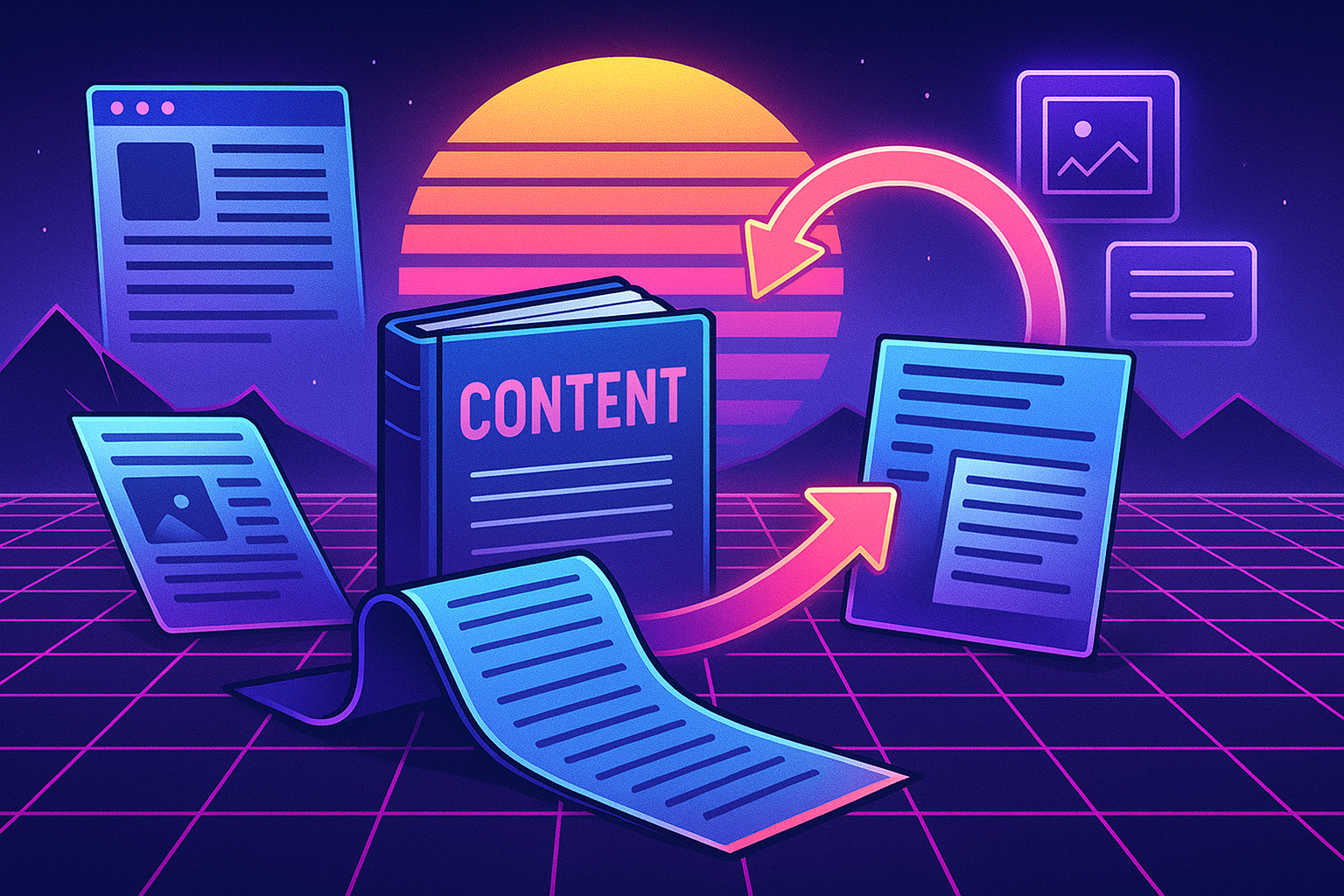
Discover how to maximize the value of your long-form marketing content by repurposing it into blogs, infographics, podcasts, and more. This article explores creative strategies to extend the reach and lifespan of your content, ensuring it continues to engage and attract new audiences.
📑 Table of Contents
- Understanding the Value of Repurposing Long FormMarketingContent
- Breaking Down Content for Different Channels
- From Blog Posts to Social Media Snippets
- Creating Video Content from Written Material
- Developing Infographics from Data-Driven Content
- Leveraging Content for Email Marketing
- Series and Autoresponders
- Curated Collections
- Enhancing SEO with Updated and Repurposed Content
- Updating Statistics and Trends
- Targeting New Keywords
- Utilizing Content in Training and Onboarding
- Creating E-Learning Modules
- Internal Knowledge Sharing
- Measuring the Impact of Repurposed Content
- Engagement and Reach Metrics
- Conversion Tracking
- Key Takeaways for Effective Content Repurposing
Understanding the Value of Repurposing Long Form Marketing Content
Repurposing long form marketing content is a strategic approach to extend the life and enhance the value of original material. This practice not only maximizes the investment in content creation but also increases its reach and impact across different platforms and audiences. By transforming a single piece of content into various formats, marketers can cater to diverse preferences and consumption habits, thereby boosting engagement and conversion rates.
Breaking Down Content for Different Channels
One of the primary strategies in repurposing content is tailoring it for different channels. Each platform has its unique audience and preferred content format, which necessitates a customized approach.
From Blog Posts to Social Media Snippets
Take a comprehensive blog post and distill its main points into shorter, engaging snippets suitable for social media. Platforms like Twitter or Facebook are ideal for quick, impactful statements that can drive traffic back to the full article on the website. Learn more at business.facebook.com social media platform
Creating Video Content from Written Material
Transforming text-based content into video format can significantly increase its reach, particularly on platforms like YouTube or Instagram. Videos can be as simple as animated text and images, or more complex like full production tutorials or summaries.
Developing Infographics from Data-Driven Content
Long form content often contains rich data and insights that can be visually represented through infographics. These are highly shareable on platforms like Pinterest and can be used in presentations or reports.
Leveraging Content for Email Marketing
Email marketing remains a powerful tool for direct engagement. Repurposing long form content into email newsletters or series can keep the audience engaged over time, providing them with valuable information in manageable segments.
Series and Autoresponders
Create a series of emails that delve into different aspects of your long form content. This approach keeps your audience anticipating the next piece of content, enhancing engagement.
Curated Collections
Use segments of various long form content pieces to create a themed collection. This not only provides value but also showcases the breadth of your content library.
Enhancing SEO with Updated and Repurposed Content
Repurposing content can also boost your search engine optimization (SEO) efforts. By updating and reformatting existing content, you can target new keywords, address additional user queries, and keep the content fresh and relevant.
Updating Statistics and Trends
Regularly update the data in your content to keep it current. This not only maintains accuracy but also gives you an opportunity to repost the content, catching the eye of both new and returning visitors.
Targeting New Keywords
As market dynamics evolve, new keyword opportunities arise. Integrate these new keywords into repurposed content to capture fresh traffic and meet evolving search intent.
Utilizing Content in Training and Onboarding
Long form content can be an excellent resource for training materials. By converting detailed guides or case studies into training modules, you can enhance the onboarding experience for new employees or customers.
Creating E-Learning Modules
Break down comprehensive guides into smaller, digestible e-learning modules. This not only aids in learning but also increases the utility of the original content.
Internal Knowledge Sharing
Use detailed content as a basis for creating internal knowledge bases or FAQ sections that help streamline operations and educate new team members.
Measuring the Impact of Repurposed Content
To truly understand the effectiveness of repurposing efforts, it’s crucial to measure the impact. This involves tracking engagement metrics across platforms and formats, analyzing traffic data, and assessing lead generation and conversion rates.
Engagement and Reach Metrics
Monitor how repurposed content performs in terms of likes, shares, comments, and views. High engagement rates on a particular platform can guide future repurposing efforts.
Conversion Tracking
Assess how well repurposed content drives actions such as newsletter sign-ups, downloads, or purchases. This helps in determining the ROI of repurposing strategies.
Key Takeaways for Effective Content Repurposing
Repurposing long form content is not just about recycling material—it’s about strategically enhancing and diversifying the ways in which content can serve your brand. By tailoring content for different platforms, updating it with the latest data, transforming it into new formats, and measuring its impact, marketers can significantly increase the value of their content assets. Each piece of repurposed content should align with overarching marketing goals, ensuring it contributes to the brand’s growth and visibility.
Frequently Asked Questions
What are the key benefits of repurposing long-form marketing content?
Repurposing long-form marketing content can significantly enhance your content strategy by extending the lifespan of your original material, reaching a wider audience, and reinforcing your message. It helps in maximizing your investment in content creation by adapting the same piece for various platforms and formats, thus improving SEO, increasing engagement, and establishing your brand as a thought leader in your industry.
How can long-form content be effectively repurposed into new formats?
Long-form content can be repurposed into a variety of new formats such as infographics, podcasts, video series, and social media posts. For example, key insights from an article can be transformed into an infographic for visual appeal, or expanded into a webinar for interactive engagement. Each format targets different audience preferences and platforms, thereby increasing the reach and impact of the original content.
What strategies should be considered when repurposing content to ensure it remains relevant and effective?
When repurposing content, it's crucial to update any outdated information and align it with the current industry trends and audience interests. Tailoring the content to fit the specific platform and audience it's intended for, while maintaining a consistent brand voice and message, is also essential. Additionally, analyzing the performance of the original content can help identify which aspects resonated most with the audience, guiding the repurposing process.
Sources and References
- Content Repurposing Strategies and Tips - This source from the Content Marketing Institute provides comprehensive strategies on how to effectively repurpose long-form content into various formats. It supports the article's discussion on breaking down content for different channels and offers practical tips for implementation.
- HubSpot Marketing Statistics - This page offers a wealth of data-driven insights that are crucial for developing infographics from long-form content. It supports the article's section on using data to create visually engaging infographics that summarize complex information.
- Understanding the Impact of Repurposed Content on SEO - A research paper by Google that explores how repurposed content can affect SEO metrics. This is particularly relevant to the article's discussion on the SEO benefits of repurposing content, providing empirical evidence to support the claims.
- The Role of Video in Content Marketing - Forrester's report details the increasing importance of video in digital marketing strategies, supporting the article's section on creating video content from written materials. The report outlines best practices and the effectiveness of video content in engagement.
- How to Turn One Piece of Content into Multiple for SEO - An article by Harvard Business Review that provides a strategic approach to repurposing content for SEO benefits. It aligns with the article's focus on leveraging long-form content across different platforms to enhance search engine visibility.
- How to Leverage Long-Form Content Across Multiple Platforms - A detailed guide by Salesforce on how to dissect and distribute long-form content on various digital platforms. This source is particularly useful for understanding the technical aspects of content repurposing discussed in the article.