How to Create Engaging B2B Content That Boosts Lead Nurturing Success
Understanding the Role of Content in B2B Lead Nurturing Content in the business-to-business (B2B) sector serves as a critical tool for nurturing leads through...

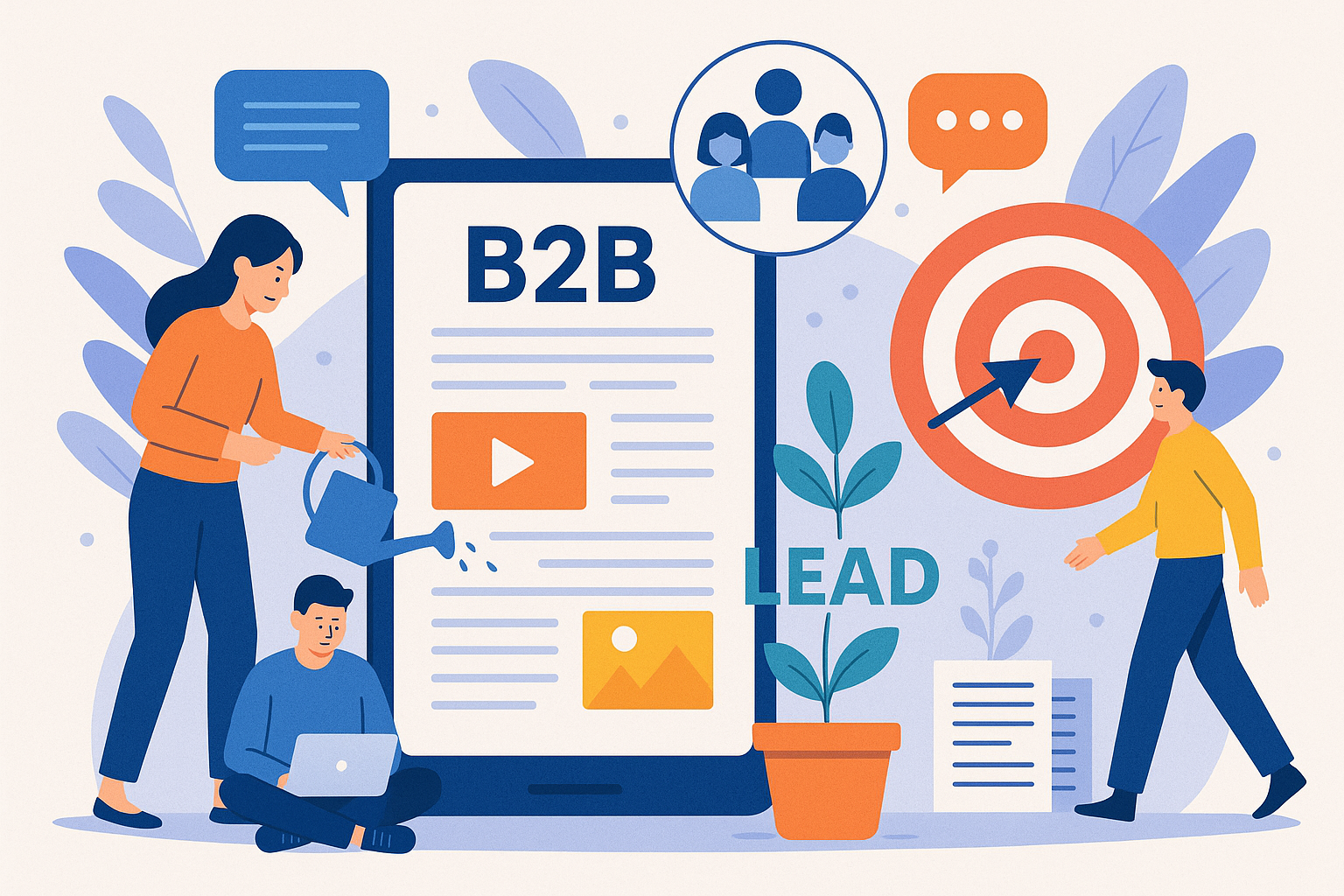
Discover how to craft compelling B2B content that not only captures attention but also nurtures leads effectively. This article explores strategies for creating valuable content that builds trust and accelerates the sales cycle.
📑 Table of Contents
- Understanding the Role of Content in B2B Lead Nurturing
- Identifying Your Audience and Their Pain Points
- Types of Content That Resonate with B2B Audiences
- Creating Content that Educates and Engages
- Optimizing Content for Conversion
- Measuring the Impact of Your B2B Content
- Example of a Practical Takeaway
- Final Thoughts: Continuously Refining Your Strategy
Understanding the Role of Content in B2B Lead Nurturing
Content in the business-to-business (B2B) sector serves as a critical tool for nurturing leads through the sales funnel. Engaging B2B content not only educates potential clients about products and services but also builds trust and establishes a brand as a thought leader in its industry. Effective content strategies attract prospects and gently guide them towards making a purchase decision by addressing their specific needs and pain points.
Identifying Your Audience and Their Pain Points
Before crafting content, it's essential to have a deep understanding of who the target audience is. This includes knowing their industry, job roles, challenges, and what solutions they are seeking. Creating buyer personas is a strategic approach to segmenting the audience and tailoring content that speaks directly to their needs. Segmentation Strategies: - Industry Specificity: Tailor content that addresses industry-specific regulations, trends, and challenges. - Role-Based Content: Create content that speaks directly to the pain points of various roles within a company, such as CEOs, IT Directors, or Marketing Managers.
Types of Content That Resonate with B2B Audiences
The type of content used for lead nurturing must align with the preferences and consumption habits of a B2B audience. Here are some effective formats: - Whitepapers and E-books: These are excellent for delving deep into topics, offering value through detailed insights and comprehensive solutions. - Case Studies: Real-world examples of how your product or service has solved specific problems are incredibly persuasive. - Webinars and Video Content: These formats are ideal for demonstrating products or services and adding a personal touch to the content. - Blogs and Articles: Regularly updated blogs provide ongoing value, keeping your audience engaged and informed.
Creating Content that Educates and Engages
The goal of B2B content isn't just to inform—it's to engage. Here’s how to ensure your content does both: Focus on Problem-Solving: Content should always start with the problems your potential customers are facing and propose clear, actionable solutions. Storytelling: Use storytelling to make the content more relatable and memorable. This could be through customer success stories or scenarios where your products or services could be used. Interactive Elements: Incorporate interactive elements like quizzes, polls, or interactive infographics to increase engagement.
Optimizing Content for Conversion
Conversion is a key metric in lead nurturing. Each piece of content should have a clear path to conversion: - Clear Call-to-Actions (CTAs): Whether it’s downloading a whitepaper, signing up for a webinar, or scheduling a demo, ensure that CTAs are clear and compelling. - Content Personalization: Use data to personalize content, making it more relevant to where the lead is in the buying cycle. - SEO Best Practices: Ensure your content is discoverable by optimizing for search engines. Use keywords naturally, optimize meta tags, and build backlinks to improve visibility.
Measuring the Impact of Your B2B Content
The effectiveness of content in nurturing leads must be measurable. This involves tracking various metrics to assess performance and optimize strategies. - Engagement Metrics: Track metrics such as page views, time on page, and bounce rates to gauge how engaging your content is. - Lead Conversion Rates: Monitor how well content converts visitors into leads and leads into customers. - Feedback and Surveys: Regular feedback from your audience can provide direct insights into how your content is performing and how it can be improved. Tools for Tracking and Analytics: Utilize tools that offer insights into content performance and user behavior. This data is invaluable for refining your content strategy and ensuring it meets the needs of your audience.
Example of a Practical Takeaway
For instance, if a whitepaper on cybersecurity trends consistently leads to high engagement and conversions among IT directors, consider developing a series of in-depth articles or a webinar on similar topics to further capitalize on this interest.
Final Thoughts: Continuously Refining Your Strategy
Lead nurturing is not a set-it-and-forget-it process. It requires ongoing adjustment and refinement. Stay updated with industry trends, audience needs, and technological advancements to keep your content relevant and engaging. Solicit continuous feedback and be prepared to adapt your strategy to meet evolving needs and maximize the effectiveness of your B2B content marketing efforts.
Frequently Asked Questions
What are the key elements of engaging B2B content?
Engaging B2B content typically includes a clear understanding of the target audience, relevance to the industry, actionable insights, and a compelling narrative. It should be informative, provide value, and address specific challenges or needs faced by the audience. Utilizing a variety of formats such as articles, infographics, and videos can also help maintain engagement.
How can B2B content improve lead nurturing?
B2B content improves lead nurturing by educating potential customers, building trust, and establishing a brand as a thought leader in the industry. Effective content addresses the prospects' pain points and guides them through the buyer’s journey by providing relevant information at each stage. This strategic delivery of content helps in maintaining a connection with leads and gently nudges them towards making a purchase decision.
What strategies can be used to tailor content for different stages of the lead nurturing process?
To tailor content effectively for different stages of the lead nurturing process, businesses should first segment their audience based on where they are in the buyer's journey. For early stages, educational content like blogs and ebooks are appropriate. As leads progress, more detailed content such as case studies, demos, and product comparisons can be introduced. Personalization of content to reflect the lead's previous interactions and expressed interests can significantly enhance the impact of the content.
Sources and References
- The B2B Revenue Waterfall: New Models For Success - This Forrester report provides insights into how B2B companies can effectively nurture leads through tailored content strategies. It supports the article's discussion on optimizing content for conversion by presenting new models and strategies that have been successful in engaging B2B audiences.
- Content Ideas That Resonate With a B2B Audience - This article from Content Marketing Institute offers a variety of content types that have proven effective in engaging B2B audiences. It supports the section on "Types of Content That Resonate with B2B Audiences" by providing practical examples and case studies.
- The Elements of Good Judgment - Harvard Business Review article that explores decision-making in business contexts, which is crucial for understanding how to create content that educates and engages B2B audiences. This source adds depth to the article's discussion about creating authoritative and trustworthy content.
- The B2B digital inflection point: How sales have changed during COVID-19 - McKinsey report that discusses changes in B2B sales strategies, including the role of digital content in lead nurturing. This supports the article's theme of adapting content strategies to current market conditions and audience needs.
- Leveraging AI in Content Marketing for Business to Business Lead Generation - A research paper from arXiv that provides empirical data on the effectiveness of AI-driven content marketing in B2B settings. This source is particularly relevant to the discussion on using AI to enhance content creation and personalization in the article.
- Lead Nurturing Best Practices - Salesforce blog that outlines best practices in lead nurturing, emphasizing the importance of engaging content at each stage of the buyer's journey. This supports the article's insights on creating content that not only educates but also smoothly guides leads through the sales funnel.