How to Create Email Nurture Sequences That Convert High-Intent Leads
High intent leads are potential customers who have shown a strong indication of purchasing interest, often demonstrated through behaviors like visiting a...

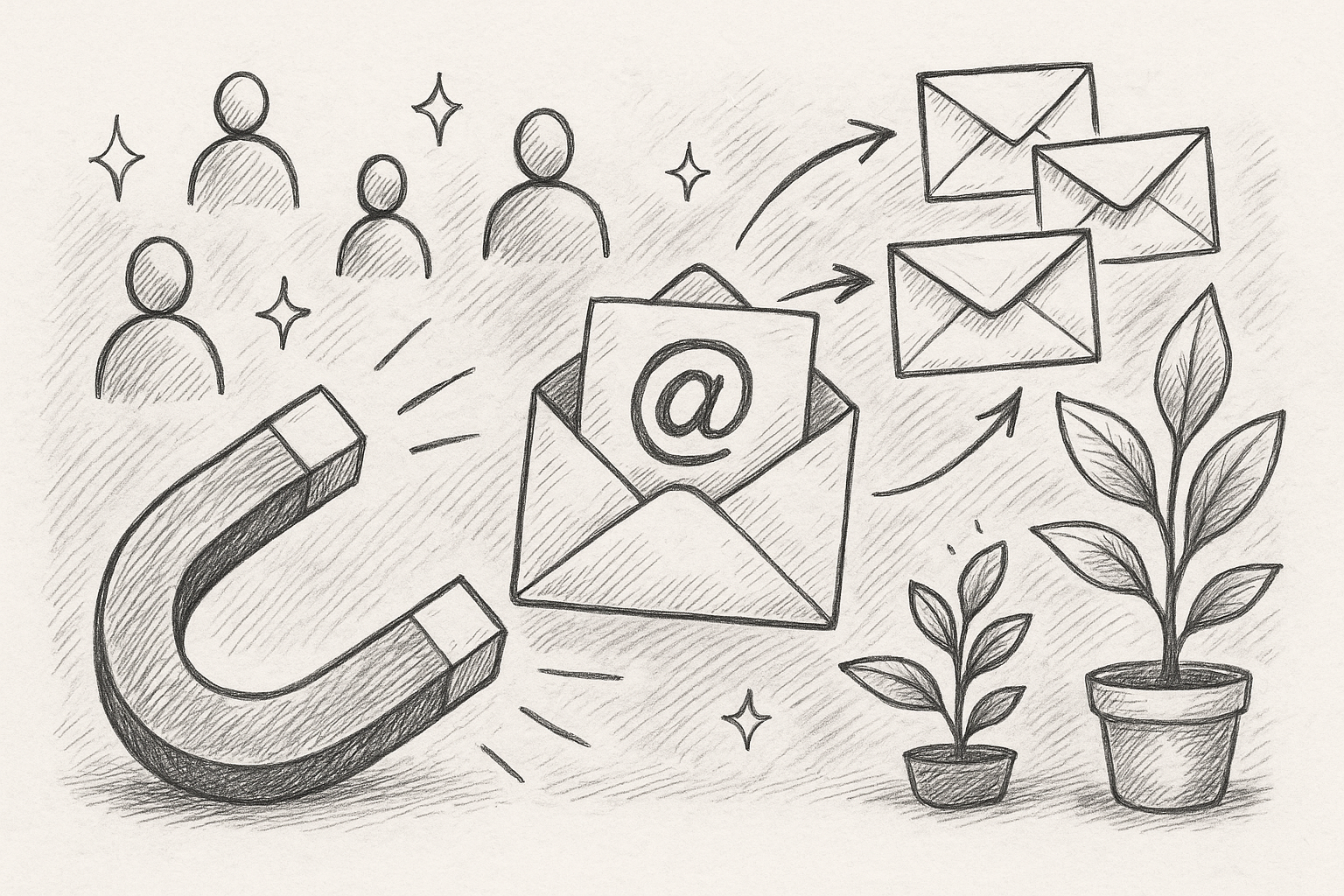
Discover the art of crafting email nurture sequences that transform high-intent leads into loyal customers. Learn the strategies for effective content, timing, and personalization that can boost your conversion rates significantly.
📑 Table of Contents
- Understanding High Intent Leads and the Role of Email Nurture Sequences
- Designing Effective Email Nurture Sequences
- Segment Your Audience
- Map Out the Email Sequence
- Content That Resonates: Crafting Compelling Messages
- Address Pain Points
- Showcase Value and ROI
- Timing and Frequency: When to Hit Send
- Best Practices for Scheduling Emails
- Adjust Based on Engagement
- Optimizing Email Sequences for Higher Conversions
- A/B Testing
- Personalization and Dynamic Content
- Measuring Success and Refining Strategies
- Key Performance Indicators (KPIs)
- Leverage Feedback and Surveys
- Practical Takeaway: Implementing a Successful Email Nurture Strategy
Understanding High Intent Leads and the Role of Email Nurture Sequences
High intent leads are potential customers who have shown a strong indication of purchasing interest, often demonstrated through behaviors like visiting a pricing page, downloading a product brochure, or requesting a demo. Email nurture sequences are automated emails sent strategically to guide these leads through the sales funnel, providing relevant information and nudging them toward conversion.
Email nurture sequences leverage the power of personalized and timely communication to build relationships and trust, crucial for converting high intent leads into paying customers. A successful email nurture strategy aligns with the prospect's buying journey, delivering targeted content that addresses their specific needs and concerns.
Designing Effective Email Nurture Sequences
To design an email nurture sequence that effectively converts high intent leads, start by understanding the lead's context. This includes their stage in the buying cycle, their specific interests based on previous interactions, and any pain points that your product or service promises to solve. Learn more at bcg.com business insights
Segment Your Audience
Segmentation allows you to tailor your communication to the unique characteristics of different groups within your high intent leads. For instance, separate your leads by industry, company size, or specific actions they have taken on your website. This targeted approach increases relevance and engagement, thereby enhancing the effectiveness of your nurture efforts.
Map Out the Email Sequence
Plan the sequence of emails based on the typical buyer’s journey stages: awareness, consideration, and decision. Each email should serve a specific purpose, such as educating the lead, overcoming objections, or highlighting customer success stories. The sequence and timing of emails should be designed to steadily build trust and guide the lead to a purchase decision.
Content That Resonates: Crafting Compelling Messages
The content of your emails is pivotal in nurturing high intent leads. Each email should deliver value, whether through informative content, an enticing offer, or a compelling case study. Use a tone that reflects your brand's personality and resonates with your audience.
Address Pain Points
Focus on understanding and addressing the specific challenges or needs that your leads are facing. Tailored content that offers solutions to these pain points can significantly boost the relevance and impact of your emails.
Showcase Value and ROI
Demonstrating the value and potential return on investment of your product or service can effectively persuade high intent leads. Include data-driven results from existing customers, testimonials, or industry case studies that exemplify how your solution solves problems.
Timing and Frequency: When to Hit Send
The timing and frequency of your emails can dramatically affect their effectiveness. Sending emails too frequently can overwhelm leads, while infrequent communication might cause them to lose interest.
Best Practices for Scheduling Emails
Utilize data and insights from your customer relationship management (CRM) system to determine the optimal timing for your emails. Consider factors like the lead’s time zone, industry-specific peak hours, and previous engagement times that garnered positive responses.
Adjust Based on Engagement
Monitor how leads interact with your emails and adjust the frequency and timing accordingly. Leads that engage more frequently may benefit from accelerated communication, while those showing signs of disengagement might need more spaced-out interactions or a different approach in content.
Optimizing Email Sequences for Higher Conversions
Continuous optimization of your email sequences is essential for maintaining their effectiveness. Analyze performance metrics regularly to identify what works and what doesn’t.
A/B Testing
Implement A/B testing to compare different versions of your emails. Test elements like subject lines, call-to-action (CTA) placements, email length, and content types. This data-driven approach can reveal the most effective strategies for engaging and converting high intent leads.
Personalization and Dynamic Content
Enhance the personalization of your emails beyond using the lead’s name. Utilize behavioral data and dynamic content to customize emails based on the lead’s recent activities on your website, their engagement history, and other personalized details. This level of customization can significantly increase the relevance and effectiveness of your communication.
Measuring Success and Refining Strategies
Assessing the performance of your email nurture sequences is crucial to understand their effectiveness and ROI. Track metrics such as open rates, click-through rates (CTR), conversion rates, and ultimately, the revenue attributed to the campaign.
Key Performance Indicators (KPIs)
Define clear KPIs that align with your overall business objectives. These might include the number of leads converted to customers, average deal size, or customer acquisition cost. Understanding these metrics helps in fine-tuning your strategy to maximize conversions.
Leverage Feedback and Surveys
Incorporate direct feedback from leads to gauge their satisfaction and gather insights on areas for improvement. Surveys can also be a valuable tool for understanding the lead’s perspective and enhancing the personalization of your nurture sequences.
Practical Takeaway: Implementing a Successful Email Nurture Strategy
To convert high intent leads effectively through email nurture sequences, begin by thoroughly understanding your audience and segmenting them accordingly. Craft personalized, value-packed emails that resonate with their specific needs and pain points. Optimize timing and frequency based on engagement data, and continuously test and refine your strategy using performance analytics and lead feedback.
By focusing on these strategic elements, your email nurture sequences can become a powerful tool in converting high intent leads into loyal customers, driving both short-term sales and long-term business growth.
Frequently Asked Questions
What are email nurture sequences?
Email nurture sequences are automated emails sent to potential customers to guide them through the buying process. These sequences are designed to educate, inform, and engage high intent leads, gradually nurturing them towards making a purchase. They play a crucial role in converting leads into customers by maintaining communication and building trust over time.
How can email nurture sequences convert high intent leads?
Email nurture sequences convert high intent leads by providing timely and relevant information that addresses the specific needs and questions of the leads. By consistently delivering value through personalized content, these sequences help in establishing credibility and trust. Effective sequences are tailored to the lead's stage in the sales funnel, ensuring that the content pushes them closer to a purchase decision.
What are the best practices for creating effective email nurture sequences?
Best practices for creating effective email nurture sequences include segmenting your email list to ensure content relevancy, personalizing emails to address the recipient's specific needs and interests, and timing the emails to correspond with the recipient's progress through the buying journey. Additionally, it's crucial to use engaging and clear content, incorporate strong calls-to-action, and continuously test and optimize emails based on performance data.
Sources and References
- The State of Marketing Report 2023 by HubSpot - This comprehensive industry report provides insights into the latest trends and effectiveness of email marketing strategies, specifically focusing on nurture sequences for high intent leads. It supports the article's discussion on designing effective email nurture sequences by presenting data on how segmentation and personalized content increase conversion rates.
- The Art of Email Marketing by Forrester - This report delves into the strategic planning of email sequences and the role of content in engaging high intent leads. It offers expert analysis and case studies that illustrate the importance of mapping out email sequences and crafting messages that resonate, which are key topics covered in the article.
- Understanding Consumer Email Engagement and Purchasing Behavior Through Machine Learning - This academic paper from arXiv provides a deep dive into the use of AI and machine learning in analyzing email engagement, supporting the article's discussion on leveraging technology to enhance the effectiveness of email nurture sequences.
- Email Marketing Statistics Report by Salesforce - This research report contains detailed statistics and analysis on email marketing performance, including segmentation and conversion rates. It validates the article's emphasis on the importance of segmenting your audience to tailor email content effectively for high intent leads.
- Email Nurture Best Practices by Content Marketing Institute - This article offers practical advice and best practices on designing email nurture sequences, directly supporting the article's section on crafting compelling messages and the overall strategy for nurturing high intent leads.
- The Science of Email Open Rates and How to Get People to Read Your Emails by Harvard Business Review - This piece from HBR provides insights into the psychological aspects of email engagement, supporting the article's discussion on content that resonates and how to effectively engage high intent leads through email.