How to Create a B2B Marketing Framework That Enhances Customer Experience
The B2B marketing framework is a structured approach designed to create a seamless customer experience at every stage of their journey. It integrates various...

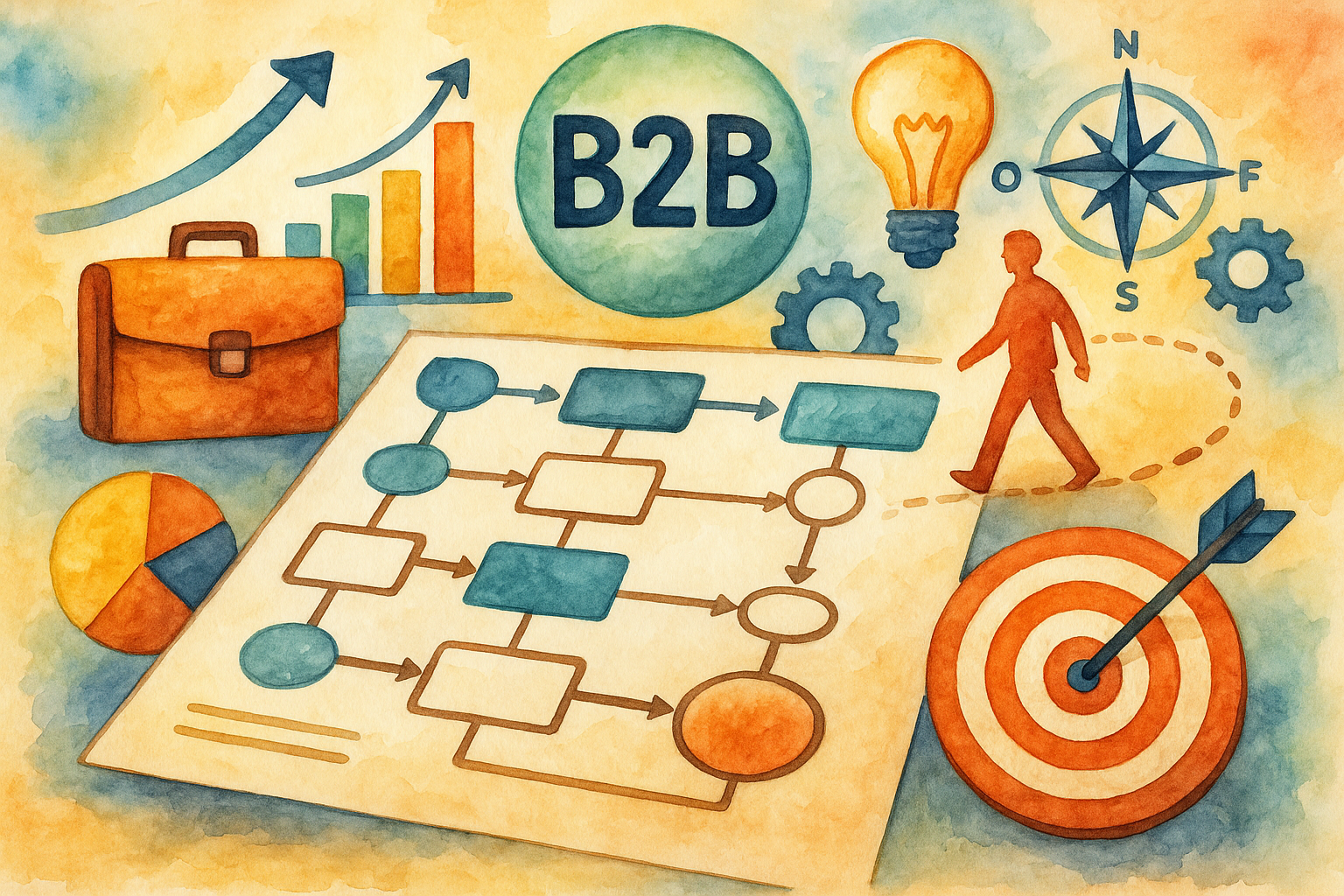
Discover how to craft a B2B marketing framework that ensures seamless customer experiences. Learn to integrate strategic alignment, customer insights, and digital innovation for improved engagement and sales.
📑 Table of Contents
- Understanding the B2BMarketingFramework
- Establishing Clear Marketing Objectives
- Aligning Objectives with Business Goals
- Mapping the B2B Buyer’s Journey
- Developing Personas
- Content Mapping to Buyer Stages
- Integrating Multi-Channel Marketing
- Utilizing Data for Channel Optimization
- Leveraging Technology for Enhanced Customer Experience
- Choosing the Right Technology Stack
- Measuring Success and Optimizing Strategies
- Analytics and Reporting Tools
- Practical Takeaways for Implementing a B2B Marketing Framework
Understanding the B2B Marketing Framework
The B2B marketing framework is a structured approach designed to create a seamless customer experience at every stage of their journey. It integrates various marketing strategies and technologies to deliver consistent, relevant, and personalized content that resonates with business buyers. The framework is built on understanding the unique needs and challenges faced by businesses in different industries and tailoring marketing efforts to meet these requirements effectively.
Establishing Clear Marketing Objectives
Before diving into tactics and tools, it is crucial to establish clear marketing objectives. These objectives should align with the broader business goals and be specific, measurable, achievable, relevant, and time-bound (SMART). Common objectives in a B2B context include generating leads, enhancing brand awareness, increasing customer loyalty, and driving sales conversions. Each objective should have associated KPIs (Key Performance Indicators) to track progress and measure success.
Aligning Objectives with Business Goals
Marketing objectives should not exist in isolation. Ensure that they align with the overall strategic goals of the business. This alignment helps in prioritizing marketing activities and allocating resources more effectively.
Mapping the B2B Buyer’s Journey
The buyer’s journey in the B2B sector is typically longer and more complex than in B2C. Understanding this journey is critical to creating a marketing framework that addresses each stage effectively. The stages generally include awareness, consideration, decision, and post-purchase (retention and loyalty).
Developing Personas
Create detailed buyer personas based on market research, existing customer data, and stakeholder interviews. These personas should include demographic information, business pain points, decision-making processes, and preferred channels of communication.
Content Mapping to Buyer Stages
Develop a content strategy that delivers the right message at the right time. For instance, whitepapers and industry reports are effective during the awareness stage, while case studies and product demos can be more influential during the decision stage.
Integrating Multi-Channel Marketing
In today’s digital age, B2B buyers are active across multiple channels. An effective B2B marketing framework integrates various channels — such as email, social media, SEO, and digital advertising — to engage with buyers wherever they are. This approach not only increases the reach but also helps in delivering a consistent message across all touchpoints.
Utilizing Data for Channel Optimization
Leverage analytics tools to understand which channels are most effective at different stages of the buyer’s journey and allocate resources accordingly. Continuous monitoring and optimization based on performance data are crucial for maximizing ROI.
Leveraging Technology for Enhanced Customer Experience
Technological tools play a pivotal role in executing a B2B marketing framework efficiently. CRM systems, marketing automation, and data analytics platforms are essential for gathering insights, automating repetitive tasks, and delivering personalized experiences at scale.
Choosing the Right Technology Stack
Select technologies that integrate well with each other and with existing business systems. The right technology stack should enhance your ability to gather insights, execute campaigns, and measure results effectively.
Measuring Success and Optimizing Strategies
Consistent measurement and optimization are vital for any marketing strategy’s success. Define metrics for each objective and stage of the buyer’s journey. Regularly review these metrics to identify areas for improvement and adjust strategies as necessary.
Analytics and Reporting Tools
Use analytics and reporting tools to track performance data. These tools should provide actionable insights, not just raw data, enabling marketers to make informed decisions quickly.
Practical Takeaways for Implementing a B2B Marketing Framework
To implement a successful B2B marketing framework, start by clearly defining your business objectives and aligning them with your marketing goals. Understand your audience deeply through persona development and map out their buying journey. Employ a multi-channel approach tailored to these personas and continuously optimize based on data-driven insights. Finally, leverage the right technology to automate processes and enhance customer interactions.
By following these steps, businesses can create a robust B2B marketing framework that not only meets the current needs of business buyers but also adapts to future changes in the market landscape, ensuring long-term success and customer satisfaction.
Frequently Asked Questions
What are the key components of a B2B marketing framework?
The key components of a B2B marketing framework typically include market research, customer segmentation, value proposition development, marketing channel selection, and performance metrics. Each component plays a crucial role in understanding the target audience, crafting messages that resonate with them, choosing the right channels to reach them, and measuring the effectiveness of marketing efforts to refine strategies continuously.
How can a business align its marketing framework with its overall objectives?
To align a marketing framework with business objectives, it’s essential to start by clearly defining those objectives. Once the goals are set, develop marketing strategies and tactics that directly contribute to achieving them. This involves setting measurable marketing objectives that reflect the broader goals, ensuring that every marketing activity is purpose-driven. Regularly reviewing and adjusting the marketing plan based on performance data also helps maintain alignment over time.
What role does customer journey mapping play in creating effective B2B marketing strategies?
Customer journey mapping is crucial in B2B marketing as it helps businesses understand the various touchpoints and experiences customers have with their brand. By mapping out the customer journey, marketers can identify key decision-making moments, pain points, and opportunities for engagement. This insight allows for the creation of more targeted, relevant, and personalized marketing strategies that are more likely to convert leads into customers and enhance customer satisfaction and loyalty.This markup provides a structured format for FAQs that address fundamental aspects of building and maintaining a B2B marketing framework, ensuring relevance and utility over an extended period.
Sources and References
- The B2B Revenue Waterfall: B2B’s Blueprint For Customer-Obsessed Growth - This Forrester report provides an in-depth analysis of how B2B companies can align their marketing objectives with business goals to foster growth. It supports the article's discussion on the importance of integrating business goals with marketing strategies for effective customer experiences.
- Designing a Marketing Organization for the Digital Age - This Harvard Business Review article explores the structural and strategic modifications necessary for B2B marketing frameworks in the digital era. It supports the article's emphasis on establishing clear marketing objectives that are adaptable to rapid technological changes and customer expectations.
- A Road Map to the Future for the Auto Industry - McKinsey's analysis on mapping the buyer’s journey in the automotive industry provides a sector-specific look at how B2B businesses can effectively map out the buyer's journey. This source is particularly useful for understanding the complexities involved in the B2B buyer’s journey, supporting the article's section on this topic.
- How to Create Personas for Your B2B Content Marketing Strategy - This guide from the Content Marketing Institute offers practical steps for developing detailed personas in B2B marketing, which is crucial for tailoring marketing strategies to meet the specific needs and behaviors of different buyer types. It directly supports the article's discussion on developing personas.
- Artificial Intelligence and Machine Learning in Dynamic Pricing Strategies - This research paper from arXiv provides insights into how AI can be integrated into B2B marketing frameworks, particularly in pricing strategies. This supports the article's mention of AI as a key topic in modern B2B marketing practices.
- State of the Connected Customer - Salesforce's comprehensive report highlights the evolving expectations of B2B customers and the importance of seamless customer experiences. This source validates the article's focus on creating customer-centric marketing frameworks in the B2B sector.