How to Create a B2B Marketing Framework That Drives Lead Generation
In Business-to-Business (B2B) marketing, understanding the landscape is crucial for crafting an effective lead generation strategy. The B2B market typically...

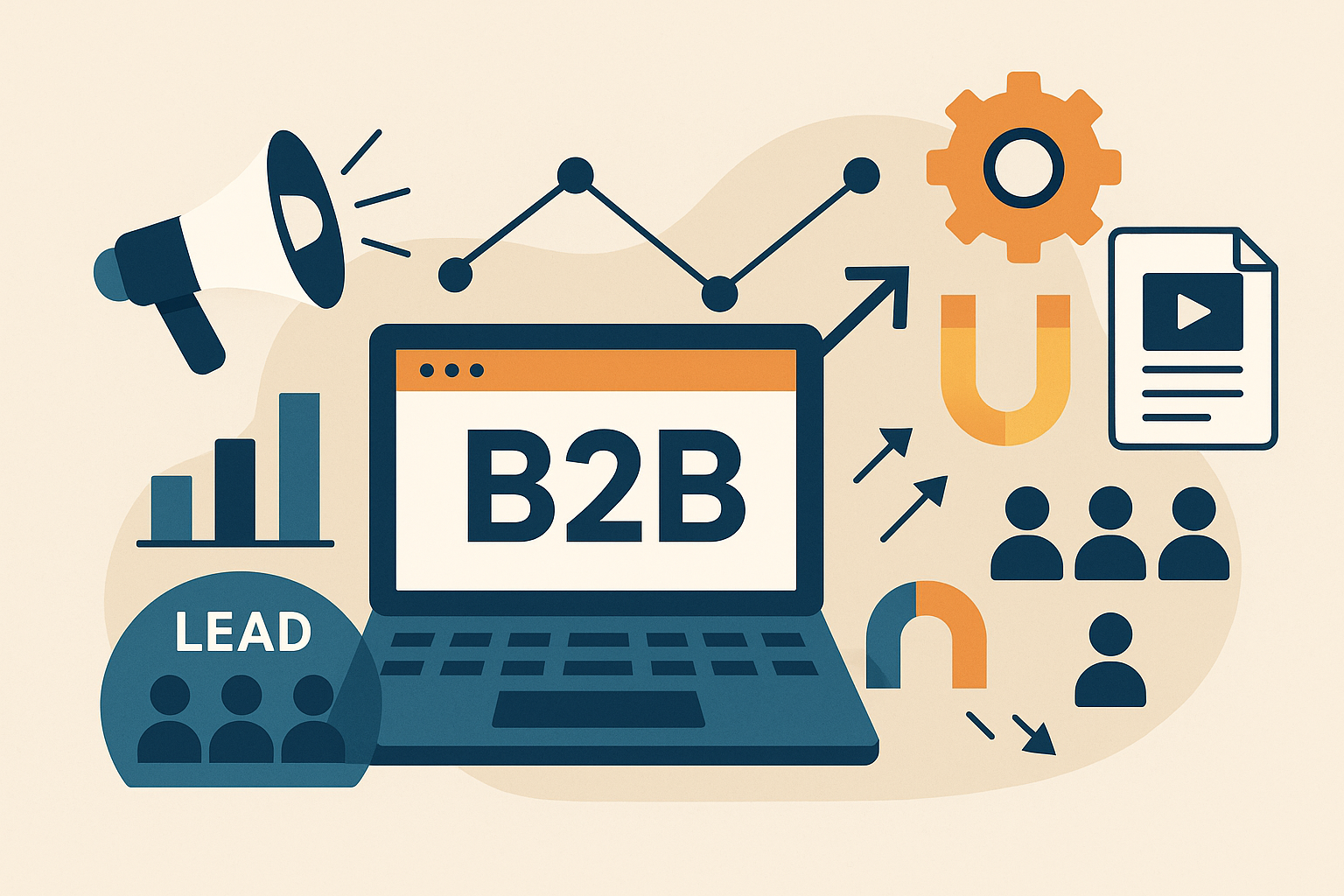
Discover the key elements of a successful B2B marketing framework designed to boost lead generation. Learn about strategic planning, targeted content, and integrated tools for cultivating effective B2B relationships and driving growth.
📑 Table of Contents
- Understanding the B2BMarketingLandscape
- Defining Your B2B Marketing Goals
- Developing a Robust Content Strategy
- Integrating Multi-Channel Marketing Approaches
- Leveraging Technology for Enhanced Lead Management
- Measuring Success and Optimizing Strategies
- Practical Takeaways for B2B Marketers
Understanding the B2B Marketing Landscape
In Business-to-Business (B2B) marketing, understanding the landscape is crucial for crafting an effective lead generation strategy. The B2B market typically involves longer sales cycles, multiple decision-makers, and higher transaction values. Thus, the approach to lead generation needs to be more nuanced and strategically aligned with these complexities.
Successful B2B marketing frameworks often start with a deep dive into the target market, identifying key industries, business sizes, and roles of decision-makers. This foundational knowledge helps in tailoring content and communication strategies that resonate with the specific needs and pain points of potential clients.
Defining Your B2B Marketing Goals
Clear, measurable goals are the backbone of any effective marketing framework. In B2B contexts, these goals typically revolve around lead quality, conversion rates, and ultimately, ROI. Goals should be Specific, Measurable, Achievable, Relevant, and Time-bound (SMART) to ensure they guide actionable strategies.
For instance, rather than simply aiming to increase leads, a B2B company might set a goal to increase qualified leads from specific industries by 20% within a fiscal year. This precision aids in designing targeted marketing activities and evaluating their success.
Developing a Robust Content Strategy
Content is a pivotal tool in the B2B marketer’s toolkit. A robust content strategy supports lead generation by educating, engaging, and nurturing potential clients through various stages of the buying process.
The creation of high-value content—such as whitepapers, case studies, and industry reports—can establish a company’s thought leadership and build trust with potential clients. Additionally, regular blog posts, webinars, and instructional videos keep the target audience engaged and help maintain top-of-mind awareness.
Each piece of content should be crafted with SEO in mind, optimizing for keywords that potential clients are likely to search for during their buyer journey. This strategic approach ensures visibility and accessibility of content, driving organic traffic and generating leads.
Integrating Multi-Channel Marketing Approaches
In today's interconnected world, integrating multiple marketing channels is essential for maximizing reach and engagement. This includes a combination of digital and traditional marketing platforms—social media, email marketing, PPC advertising, and even direct mail or event marketing.
Email campaigns are particularly effective in B2B settings, providing a direct line to decision-makers. Personalization and segmentation of email lists enhance the relevance and effectiveness of the communication, thereby increasing the likelihood of engagement.
Social media platforms like LinkedIn are invaluable for B2B marketers, offering opportunities to connect directly with industry leaders and decision-makers. Paid advertising on these platforms can also be a powerful tool for targeted lead generation campaigns.
Leveraging Technology for Enhanced Lead Management
Technology plays a critical role in modern B2B marketing, particularly in managing and nurturing leads. Customer Relationship Management (CRM) systems are vital for tracking interactions with potential and current clients, managing leads, and optimizing customer journeys.
Automation tools can streamline repetitive tasks such as email marketing, social media posting, and lead nurturing campaigns, allowing marketers to focus on strategy and client engagement. Moreover, analytics tools provide valuable insights into campaign performance, enabling data-driven decision-making.
Measuring Success and Optimizing Strategies
Without measurement, it's impossible to determine the success of a marketing strategy. Key Performance Indicators (KPIs) such as lead conversion rates, cost per lead, and ROI are essential metrics for evaluating the effectiveness of B2B marketing efforts.
Regular analysis of these metrics provides insights into what strategies are working and what needs adjustment. This ongoing optimization cycle ensures that the marketing efforts remain aligned with business goals and market dynamics.
Additionally, A/B testing of emails, landing pages, and ads can further refine marketing strategies, enhancing their effectiveness in generating and converting leads.
Practical Takeaways for B2B Marketers
To build a successful B2B marketing framework for effective lead generation, begin with a thorough understanding of the market and clearly defined goals. Develop a content strategy that not only informs but also engages your target audience. Utilize multiple channels to broaden your reach and integrate advanced technology to manage and optimize leads effectively.
Remember, the key to success in B2B marketing is persistence and continuous improvement. Regularly review your strategies against your set KPIs and be ready to pivot or adjust as necessary. With a solid framework and a commitment to data-driven strategies, your organization can enhance its lead generation efforts and achieve substantial growth.
Frequently Asked Questions
What are the key components of a successful B2B marketing framework?
A successful B2B marketing framework typically includes a clear definition of the target audience, development of a value proposition, a multi-channel lead generation strategy, consistent content creation, and continuous performance analysis. These components ensure that the marketing efforts are aligned with the business objectives and effectively engage potential clients.
How can content marketing be leveraged in B2B lead generation?
Content marketing can be leveraged in B2B lead generation by creating informative and relevant content that addresses the specific needs and pain points of the target audience. This can include whitepapers, case studies, blogs, videos, and webinars. Effective content marketing not only helps in establishing authority and credibility but also aids in nurturing leads through the sales funnel by providing valuable information at each stage.
What strategies can be used to optimize lead generation in B2B marketing?
To optimize lead generation in B2B marketing, businesses can employ strategies such as personalization of communications, use of automation tools to streamline lead management, and integration of CRM systems for better data analysis. Additionally, focusing on SEO and leveraging social media platforms to engage directly with potential clients can significantly enhance lead generation efforts.
Sources and References
- The B2B Revenue Marketing Framework - Forrester - This Forrester report provides a comprehensive framework for B2B marketing, emphasizing the importance of aligning marketing strategies with business outcomes. It supports the article's discussion on defining B2B marketing goals and developing a robust content strategy.
- How to Align Your Content Strategy with Your Lead Generation Goals - Content Marketing Institute - This source offers detailed insights into how a well-crafted content strategy can drive lead generation in B2B marketing, supporting the article's section on developing a robust content strategy.
- A B2B Digital Marketing Plan for Social Media - Harvard Business Review - This Harvard Business Review article explores the effectiveness of social media in B2B marketing, providing evidence and methodologies that reinforce the article's section on integrating multi-channel marketing approaches.
- Machine Learning in B2B Lead Generation: Opportunities and Challenges - Google Research - This research paper from Google delves into the application of AI and machine learning in enhancing lead management systems, directly supporting the article's discussion on leveraging technology for enhanced lead management.
- State of Marketing Report - Salesforce - Salesforce's comprehensive report provides data and insights on current marketing trends and the effectiveness of different marketing strategies in the B2B sector, backing up claims made in the article about the evolving B2B marketing landscape and the integration of multi-channel marketing strategies.
- The B2B digital inflection point: How sales have changed during COVID-19 - McKinsey & Company - This McKinsey report discusses the shift in B2B sales and marketing strategies due to the COVID-19 pandemic, providing context to the article's exploration of adapting marketing strategies in changing environments.