How to Build Successful B2B Influencer Partnerships That Last
Understanding the Role of Influencer Partnerships in B2B Marketing In the realm of business-to-business (B2B) marketing, influencer partnerships have evolved...

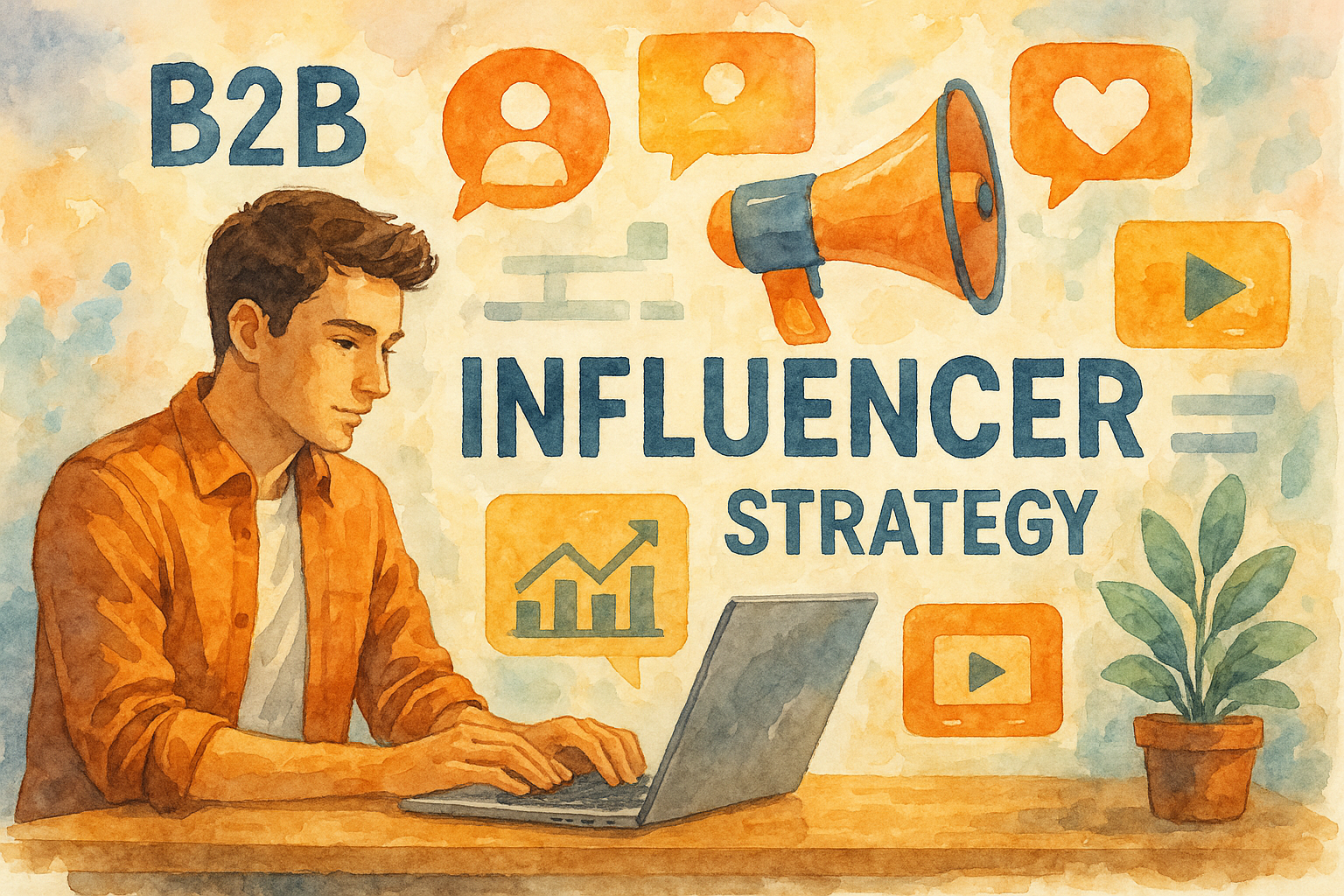
Discover how to forge successful B2B influencer partnerships that boost brand visibility and credibility. Learn key strategies for selecting the right influencers, aligning goals, and measuring success to ensure a fruitful collaboration.
📑 Table of Contents
- Understanding the Role of Influencer Partnerships in B2BMarketing
- Selecting the Right Influencers for Your Brand
- Criteria for Selection
- Developing a Mutually Beneficial Partnership
- Building the Relationship
- Integrating Influencer Insights into Broader Marketing Strategies
- Leveraging Influencer Content
- Measuring the Impact of Influencer Partnerships
- Tools and Techniques for Measurement
- Adapting and Evolving with Market Trends
- Staying Ahead of Changes
- Key Takeaways for Sustainable Success
Understanding the Role of Influencer Partnerships in B2B Marketing
In the realm of business-to-business (B2B) marketing, influencer partnerships have evolved beyond mere trendiness to become fundamental components of strategic marketing efforts. Unlike consumer-facing influencer strategies, B2B influencer partnerships focus on leveraging individuals with expert knowledge and authority in specific industries. This approach not only enhances brand credibility but also drives meaningful engagement with targeted professional audiences.
Selecting the Right Influencers for Your Brand
The success of an influencer partnership largely depends on the relevance and authority of the chosen influencer within your industry. Begin by identifying influencers who not only have a substantial following but also share a genuine connection or interest in your field. This alignment ensures that their endorsements appear credible and resonate more deeply with their audience.
Criteria for Selection
- Expertise and Credibility: Look for influencers who are recognized as thought leaders or have a proven track record in your industry. - Engagement Rate: Evaluate how actively their audience interacts with their content through likes, comments, and shares. - Alignment with Brand Values: Ensure their professional ethos and content style align with your brand’s identity and values.
Developing a Mutually Beneficial Partnership
Once you have identified the right influencers, the next step is to craft a partnership that benefits both parties. Transparent communication about expectations and the scope of the collaboration is crucial. It’s essential to treat influencers as partners rather than merely as marketing channels.
Building the Relationship
- Regular Communication: Maintain open lines of communication throughout the duration of the partnership. - Respect Their Autonomy: Allow influencers the creative freedom to present your brand in a way that feels authentic to their style. - Provide Value: Offer them exclusive insights, products, or experiences that they can share with their audience.
Integrating Influencer Insights into Broader Marketing Strategies
Influencers can provide more than just outreach—they can offer valuable insights into industry trends, audience preferences, and competitive dynamics. Incorporate their feedback and observations into your broader marketing strategy to remain agile and responsive to market changes.
Leveraging Influencer Content
- Content Co-Creation: Work with influencers to create content that can be used across various channels, such as blogs, webinars, and case studies. - Cross-Promotion: Use their content to complement your campaigns, enhancing reach and reinforcing messaging.
Measuring the Impact of Influencer Partnerships
To gauge the effectiveness of your influencer partnerships, it’s important to set clear, measurable goals and have robust metrics in place. Common metrics include engagement rates, traffic generation, lead quality, and conversion rates. However, it's also important to track long-term metrics like customer lifetime value (CLV) and brand equity improvements.
Tools and Techniques for Measurement
- Analytics Tools: Utilize platforms that track the performance of influencer-generated content. - Surveys and Feedback: Gather direct feedback from your audience and sales teams about the perceived impact of the influencer’s content.
Adapting and Evolving with Market Trends
While the core principles of influencer marketing in B2B contexts remain constant, the strategies must adapt to ongoing changes in technology, communication channels, and audience behavior. Regularly review and refine your influencer strategy to ensure it remains relevant and effective.
Staying Ahead of Changes
- Continued Learning: Keep abreast of new digital marketing techniques and emerging social media platforms. - Feedback Loop: Implement a system to regularly collect and analyze feedback both from influencers and their audiences to tweak strategies as needed.
Key Takeaways for Sustainable Success
Creating an effective B2B influencer partnership strategy requires a thoughtful approach that goes beyond mere follower counts. Focus on building relationships with influencers whose expertise and audience align closely with your brand objectives. By integrating their insights into your broader marketing strategy and measuring the impact rigorously, you can cultivate a powerful tool that drives your brand’s visibility and authority in the industry. Remember, the most successful partnerships are those that evolve continuously, adapting to new challenges and opportunities in the market.
Frequently Asked Questions
What are the key elements of a successful B2B influencer partnership strategy?
A successful B2B influencer partnership strategy should include clear objectives, selection of the right influencers based on brand alignment and audience relevance, transparent communication, and measurable goals. It's important to ensure that the influencers understand the brand’s values and the specific outcomes the campaign aims to achieve. Regular monitoring and adjustments based on performance analytics are also crucial to optimize the partnership's effectiveness.
How do I measure the ROI of B2B influencer marketing campaigns?
Measuring the ROI of B2B influencer marketing campaigns can be approached by tracking metrics such as lead generation, engagement rates, website traffic from influencer content, and conversion rates. Additionally, consider qualitative metrics like brand sentiment and the quality of interactions between the influencer's audience and your brand. Using a combination of these quantitative and qualitative metrics provides a comprehensive view of the campaign’s impact.
What strategies can be used to find the right influencers for a B2B campaign?
Finding the right influencers for a B2B campaign involves identifying individuals who have a strong presence in your industry and whose audience aligns with your target market. Utilize tools and platforms that provide insights into influencers’ engagement rates, audience demographics, and content quality. Networking at industry events and leveraging professional social media platforms like LinkedIn can also help identify influential professionals who can resonate well with your brand’s message.
Sources and References
- The B2B Influencer Marketing Blueprint - This Forrester report provides a detailed framework for understanding how influencer partnerships can be leveraged within B2B marketing. It supports the article's discussion on the strategic role of influencers in enhancing brand visibility and trust among business clients.
- What B2B Sales Teams Need from Influencers - This Harvard Business Review article explores the criteria for selecting the right influencers for B2B brands, aligning closely with the article's section on selecting suitable influencers based on their industry authority and alignment with brand values.
- Emerging Influencer Marketing Trends in B2B - Content Marketing Institute discusses recent trends in B2B influencer marketing, providing insights that complement the article's points on developing mutually beneficial partnerships and the importance of strategic alignment in influencer collaborations.
- A Technology Blueprint for Personalization at Scale - McKinsey's analysis on the use of advanced technologies in marketing personalization includes discussions relevant to using AI tools in influencer marketing strategies. This supports the article's mention of leveraging AI to optimize influencer partnership outcomes.
- B2B Influencer Marketing: Harnessing the Power of Influencers - Salesforce provides a comprehensive guide on how to build and maintain strong relationships with influencers, directly supporting the article's section on building the relationship and ensuring long-term partnership success.
- Analyzing the Impact of Social Media Influencers on B2B Engagements - This research paper from arXiv offers empirical data and analysis on the effectiveness of social media influencers in B2B settings, validating the article's emphasis on the strategic use of social media platforms to enhance influencer partnerships.