How to Build a Powerful AI-Integrated Marketing Framework

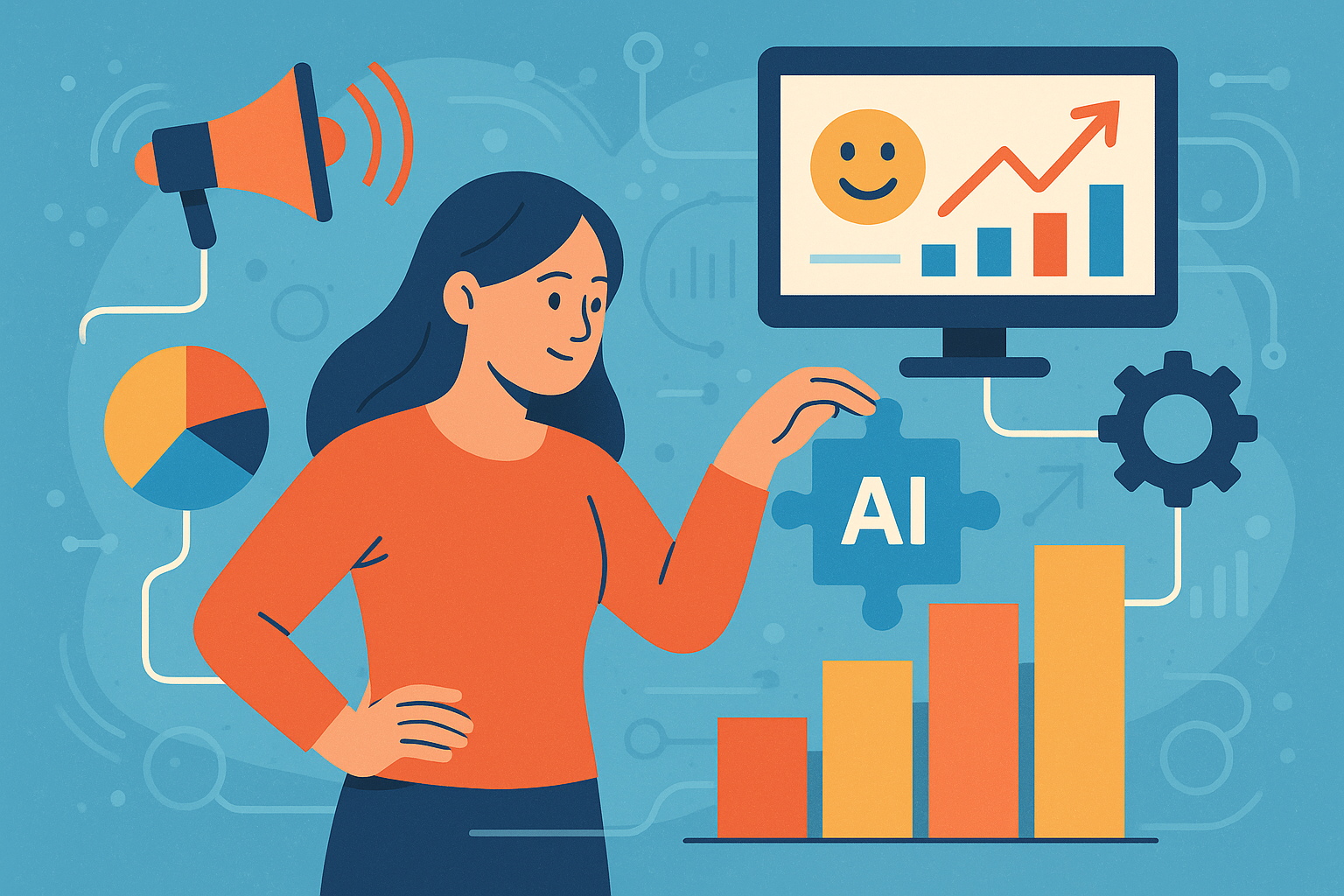
Discover how to supercharge your marketing efforts by integrating AI into your strategy. This article guides you through creating a robust AI-driven framework, covering key technologies, implementation tactics, and measurable outcomes to elevate your business.
📑 Table of Contents
- How to Build a PowerfulAI-Integrated Marketing Framework
- Introduction
- Prerequisites and Foundation Knowledge
- Step-by-Step Implementation Guide
- Common Challenges and Solutions
- Advanced Techniques and Best Practices
- Measuring Success and Optimization
- Conclusion with Next Steps
How to Build a Powerful AI-Integrated Marketing Framework
Introduction
Today's marketing landscape is rapidly evolving with the integration of artificial intelligence (AI). By mastering how to build a powerful AI-integrated marketing framework, you position your business at the forefront of innovation, driving efficiency and effectiveness in your campaigns. This guide provides you with the foundational knowledge, a step-by-step implementation strategy, and insights into overcoming common challenges. Additionally, we delve into advanced techniques and metrics for measuring success, ensuring that your marketing efforts yield sustainable, scalable results.
Prerequisites and Foundation Knowledge
Before diving into building an AI-powered marketing framework, it’s crucial to have a firm grasp on certain foundational elements:
- Data Literacy: Understanding and interpreting data is essential. Familiarity with data collection, processing, and analysis fundamentals is crucial for leveraging AI tools effectively.
- Marketing Principles: Core marketing principles remain relevant. A deep understanding of marketing strategies, customer segmentation, and buyer personas is necessary.
- Technological Proficiency: A basic understanding of AI and machine learning concepts, as well as proficiency in using marketing automation and analytics tools, is beneficial.
Step-by-Step Implementation Guide
To integrate AI into your marketing strategy effectively, follow this comprehensive step-by-step guide:
- Identify Objectives: Clearly define what you aim to achieve with AI in your marketing strategy. Whether it's improving customer personalization, optimizing marketing channels, or automating repetitive tasks, objectives should guide your AI integration.
- Choose the Right Tools: Select AI tools that align with your marketing goals. Consider tools for data analytics, customer relationship management (CRM), and content generation. Ensure these tools are scalable and compatible with your existing systems.
- Data Integration: Centralize your data sources to feed into AI systems. Ensure data quality and accessibility, as AI tools rely heavily on data to generate insights.
- Experimentation and Learning: AI thrives on testing and learning. Start with pilot projects to understand the impact of AI on your marketing campaigns. Use these insights to refine your approach continuously.
- Staff Training: Equip your team with the necessary skills to use AI tools effectively. Regular training sessions and workshops can help bridge the knowledge gap.
- Scale and Optimize: Once you see positive results from initial tests, start scaling your AI implementations. Continuously monitor performance and make adjustments as needed.
Common Challenges and Solutions
While implementing AI in marketing, you might encounter several challenges:
- Data Privacy: Handling customer data responsibly is paramount. Ensure compliance with data protection regulations and use data ethically. Implement robust security measures to protect data integrity.
- Integration Issues: Integrating AI tools with existing systems can be complex. Work closely with IT teams to ensure smooth integration and address compatibility issues early in the process.
- Resistance to Change: Change can often meet resistance. Address this by demonstrating the benefits of AI and fostering an inclusive culture that values innovation and continuous improvement.
Advanced Techniques and Best Practices
To further enhance your AI-integrated marketing framework, consider these advanced techniques and best practices:
- Real-time Decision Making: Use AI to make real-time marketing decisions. AI can analyze incoming data quickly to adjust marketing strategies dynamically.
- Personalization at Scale: AI excels in delivering personalized customer experiences at scale. Use AI to tailor marketing messages and offers based on individual customer behaviors and preferences.
- Predictive Analytics: Implement predictive analytics to forecast future trends and customer behaviors. This can help in proactive decision making and strategic planning.
Measuring Success and Optimization
Effectively measuring the impact of AI on your marketing efforts involves several key metrics:
- ROI: Track the return on investment by comparing the costs of AI implementation against the performance improvements in your marketing campaigns.
- Customer Engagement: Monitor changes in customer engagement levels. Increased personalization should ideally lead to higher engagement rates.
- Operational Efficiency: Evaluate the efficiency gains from automating tasks. Reductions in time and resources spent on repetitive tasks are indicators of success.
Regularly review these metrics and adjust your strategies for continuous improvement.
Conclusion with Next Steps
Building a powerful AI-integrated marketing framework is not a one-time effort but a continuous journey of innovation and refinement. Begin by setting clear objectives, choosing the right tools, and preparing your team. As you implement AI, continuously measure and optimize your processes based on detailed analytics. Remember, the ultimate aim is to enhance customer satisfaction and achieve business growth through intelligent, data-driven marketing strategies.
As a next step, consider joining industry forums and subscribing to AI and marketing newsletters to keep abreast of the latest tools, trends, and success stories. This ongoing learning will ensure your marketing strategy remains dynamic and competitive.
Frequently Asked Questions
What are the essential components of an AI-integrated marketing framework?
An effective AI-integrated marketing framework typically includes data collection and management tools, AI-driven analytics for customer behavior, automated content delivery systems, and continuous learning mechanisms. Integrating these components ensures that the framework can adapt to changing market conditions and consumer preferences while optimizing marketing efforts for maximum impact.
How can marketers ensure data quality in their AI-driven campaigns?
Marketers can ensure data quality by implementing rigorous data governance practices, which include regular data audits, validation of data sources, and cleansing of outdated or irrelevant data. Additionally, employing advanced data integration tools can help in maintaining accuracy and consistency across different data streams, thereby enhancing the effectiveness of AI algorithms in predicting and analyzing customer behaviors.
What role does customer feedback play in refining an AI-integrated marketing strategy?
Customer feedback is crucial in refining an AI-integrated marketing strategy as it provides direct insights into customer satisfaction and preferences. This feedback can be used to train and fine-tune AI models, ensuring that marketing efforts are more closely aligned with customer expectations. Additionally, continuous feedback loops help in identifying emerging trends and potential areas for improvement in real-time.
What are some best practices for integrating AI tools into existing marketing frameworks?
Best practices for integrating AI tools into existing marketing frameworks include starting with a clear understanding of the marketing objectives, selecting AI tools that complement these objectives, and training the marketing team on these tools. It's also important to pilot AI implementations in controlled environments to measure their impact and iteratively adjust strategies based on performance data. Lastly, maintaining a flexible approach to integration allows for adjustments as new technologies and methodologies emerge.
Sources and References
- The Promise and Challenge of the Age of Artificial Intelligence - This McKinsey report explores the integration of AI in marketing, providing a solid foundation for understanding the transformative potential and operational challenges discussed in the article's section on 'Common Challenges and Solutions'.
- How AI Is Transforming Marketing - Harvard Business Review article that offers expert analysis and real-world examples of AI applications in marketing, supporting the article's 'Step-by-Step Implementation Guide' by illustrating practical implementation strategies and outcomes.
- Artificial Intelligence and Marketing: A Review and Future Research Agenda - An academic paper from arXiv providing comprehensive research on AI's role in marketing, which underpins the foundational knowledge and prerequisites discussed in the article.
- The Future Of Marketing AI - Forrester report that outlines future trends and current applications of AI in marketing, enhancing the article's discussion on 'How to Build a Powerful AI-Integrated Marketing Framework' by projecting future developments and strategic planning.
- Machine Learning in Advertising: Opportunities and Blockers - Google Research publication that dives into specific use cases of machine learning in advertising, a subset of marketing, providing empirical data that supports the article's narrative on AI-driven marketing tools and data handling.
- What is Marketing Automation? - Salesforce provides a detailed overview of marketing automation, an essential tool in AI-integrated marketing frameworks discussed in the article, offering insights into how automation enhances customer engagement and data analysis.