How to Build a Powerful AI-Driven Content Distribution Network

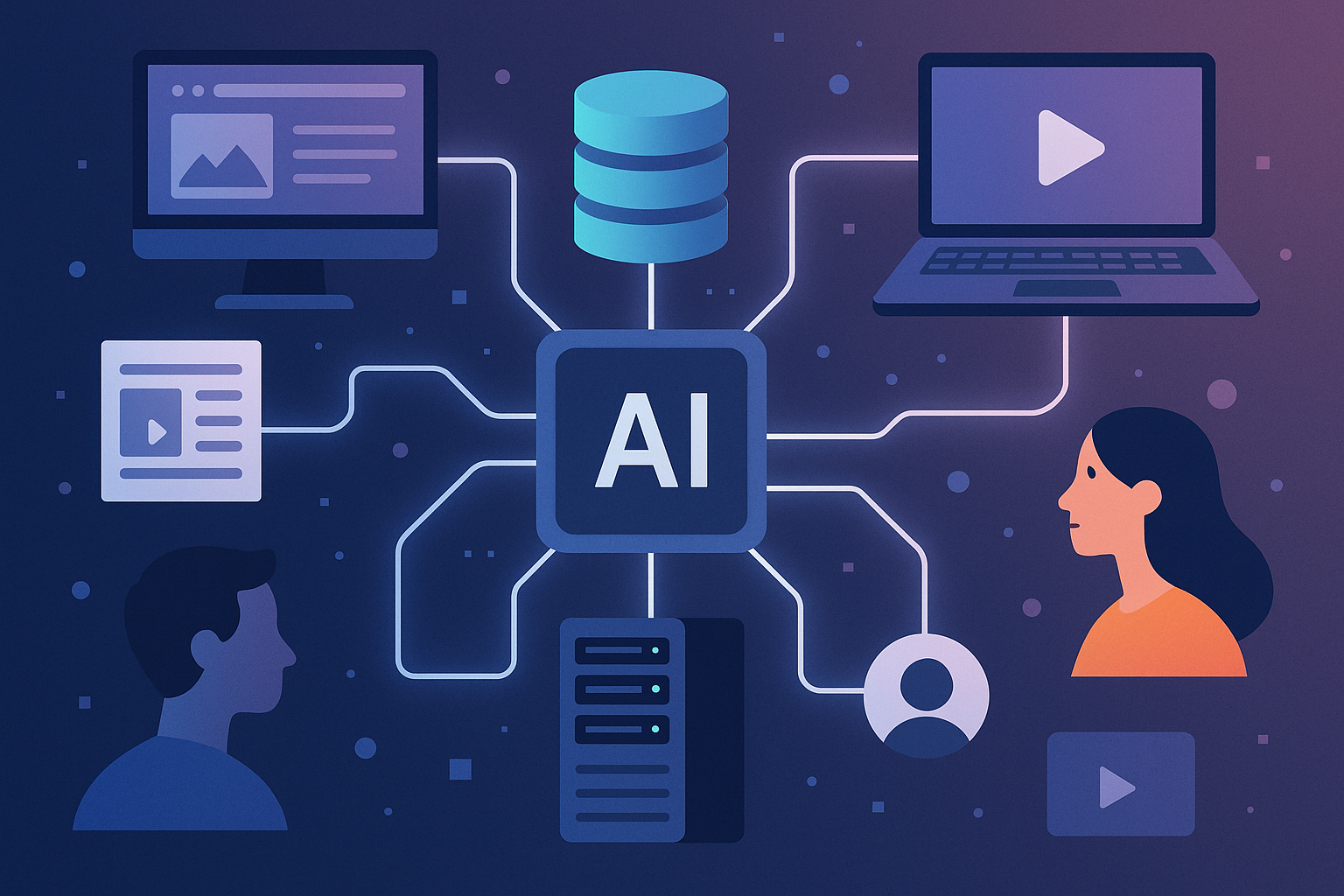
Discover how to leverage AI for building a robust content distribution network. This guide covers essential strategies, from algorithm selection to data analysis, ensuring your content reaches its maximum audience efficiently and effectively.
📑 Table of Contents
- How to Build a PowerfulAI-Driven Content Distribution Network
- Introduction
- Prerequisites and Foundation Knowledge
- Step-by-Step Implementation Guide
- 1. Define Your Objectives
- 2. Choose the Right Infrastructure
- 3. Develop or Integrate AI Models
- 4. Implement AI for Load Balancing
- 5. Personalize Content Delivery
- 6. Monitor and Train Your AI Systems
- Common Challenges and Solutions
- 1. Data Privacy and Security
- 2. Scalability Issues
- 3. AI Model Accuracy
- Advanced Techniquesand Best Practices
- Measuring Success and Optimization
- Conclusion with Next Steps
How to Build a Powerful AI-Driven Content Distribution Network
Introduction
In today's digital landscape, content distribution networks (CDNs) are pivotal in delivering content efficiently across the globe. Incorporating Artificial Intelligence (AI) into CDNs can revolutionize your approach by optimizing delivery routes, improving load times, and personalizing content for users in real-time. This guide will equip you with the knowledge to build an AI-driven CDN, enhancing your content's reach and engagement effectively.
Prerequisites and Foundation Knowledge
Before diving into building an AI-driven CDN, it’s essential to understand some core concepts and ensure you have the necessary foundation:
- Basic Understanding of CDN: Familiarity with how traditional CDNs work to distribute content across various geographical locations.
- AI and Machine Learning: Knowledge of AI and machine learning basics, particularly in data processing and predictive analytics.
- Networking and Protocols: A grasp of networking principles, including DNS, HTTP/HTTPS, and TCP/IP.
- Cloud Computing: Insight into cloud services and platforms, which are often integral to deploying scalable CDNs.
Step-by-Step Implementation Guide
To build an AI-driven CDN, follow these comprehensive steps:
1. Define Your Objectives
Identify what you aim to achieve with your AI-driven CDN. Common goals include reducing latency, managing traffic loads efficiently, and providing a personalized user experience.
2. Choose the Right Infrastructure
Select a cloud service that offers extensive global coverage and supports AI capabilities. This infrastructure should be scalable, reliable, and secure.
3. Develop or Integrate AI Models
Develop AI models tailored to predict traffic patterns and user behavior or integrate pre-existing models that can be trained with your specific data sets.
4. Implement AI for Load Balancing
Use AI to dynamically distribute traffic across servers based on real-time data analysis, optimizing content delivery and reducing bottlenecks.
5. Personalize Content Delivery
Employ AI to analyze user data and deliver personalized content, enhancing user engagement and satisfaction.
6. Monitor and Train Your AI Systems
Continuously monitor AI performance and retrain models with new data to improve accuracy and efficiency over time.
Common Challenges and Solutions
Building an AI-driven CDN presents unique challenges:
1. Data Privacy and Security
Solution: Implement stringent data protection measures, comply with global data privacy laws, and use encryption to secure data transmissions.
2. Scalability Issues
Solution: Design your system for scalability from the outset, using cloud-native services and auto-scaling capabilities.
3. AI Model Accuracy
Solution: Regularly update and train your AI models with diverse data sets to improve decision-making and personalization accuracy.
Advanced Techniques and Best Practices
To further enhance your AI-driven CDN, consider these advanced techniques and best practices:
- Edge Computing: Utilize edge computing to process data closer to the end-users, drastically reducing latency and server load.
- Real-time Analytics: Implement real-time analytics to make immediate adjustments based on current network conditions and traffic.
- AI Ethics: Ensure that AI implementations are ethical, transparent, and fair, avoiding biases in data and algorithms.
Measuring Success and Optimization
Success in an AI-driven CDN can be measured through several key performance indicators:
- Latency Reduction: Monitor improvements in content delivery times.
- Traffic Load Management: Assess how well the CDN adapts to fluctuating traffic.
- User Engagement: Track changes in user engagement metrics, such as time on site and bounce rates.
Continuously optimize these metrics by refining AI models and CDN configurations, ensuring the system evolves with changing user needs and technological advancements.
Conclusion with Next Steps
Building an AI-driven CDN is a dynamic process that enhances content delivery and user experience. Start by setting clear goals, choosing robust infrastructure, and integrating powerful AI tools. Facing challenges head-on with innovative solutions will ensure your CDN remains efficient and competitive.
As next steps, keep abreast of advancements in AI, machine learning, and CDN technologies to continuously refine and improve your network. Engage with a community of experts to share insights and best practices, ensuring your AI-driven CDN not only meets but exceeds expectations.
Frequently Asked Questions
What is a Content Distribution Network (CDN) and how does AI enhance its capabilities?
A Content Distribution Network (CDN) is a network of servers strategically distributed across various locations to deliver content more efficiently to users based on their geographic location. AI enhances a CDN by optimizing routing and caching mechanisms, predicting content popularity, and dynamically adjusting resource allocation to improve load times and reduce bandwidth costs. AI-driven insights can also help in identifying and mitigating potential security threats, ensuring a robust and efficient delivery of content.
What are the key data metrics to monitor in an AI-driven CDN?
Key data metrics to monitor in an AI-driven CDN include latency, bandwidth usage, cache hit ratio, error rate, and traffic patterns. Monitoring these metrics helps in understanding the performance of the CDN and the efficiency of content delivery. AI can leverage this data to forecast demand, detect anomalies, and optimize the network in real-time, thereby enhancing the overall user experience.
How can AI-driven CDNs adapt to changing user behaviors?
AI-driven CDNs can adapt to changing user behaviors by continuously analyzing data on user interactions and content consumption patterns. Machine learning algorithms can predict shifts in user behavior and automatically adjust content caching and delivery strategies. This proactive approach ensures that the CDN can handle sudden spikes in demand and maintain high performance, regardless of user location or device type.
What are the best practices for integrating AI into a CDN?
Best practices for integrating AI into a CDN include using clean and structured data for training AI models, continuously monitoring and updating the models to adapt to new patterns, ensuring data privacy and security, and choosing the right machine learning algorithms that align with specific CDN goals. It is also crucial to maintain a balance between AI-driven automation and human oversight to optimize performance and reliability.
Sources and References
- Enhancements in Neural Networks for Advancing Content Distribution Networks - This academic paper from arXiv provides foundational knowledge on how artificial intelligence can optimize content distribution networks (CDNs). It discusses neural network architectures that can predict user behavior and content popularity, directly supporting the article's section on AI-driven strategies for CDN efficiency.
- McKinsey Digital Insights: AI and Network Technologies - This collection of insights and reports from McKinsey covers the impact of AI on various digital solutions, including content distribution networks. It offers industry-specific examples and case studies that validate the implementation strategies discussed in the article, particularly how businesses can leverage AI to enhance their CDN capabilities.
- Google AI Documentation - Google's official AI documentation provides detailed information on AI tools and technologies that can be integrated into content distribution frameworks. This source is particularly useful for the 'Step-by-Step Implementation Guide' section of the article, offering practical insights into AI-driven tools available for developers.
- HubSpot Marketing Statistics - HubSpot provides up-to-date statistics and trends in digital marketing that are crucial for understanding the landscape within which a CDN operates. This source supports the article's discussion on the importance of aligning CDN objectives with current digital marketing trends and user engagement metrics.
- Forrester Research: The Future of Content Distribution - This Forrester report explores future trends in content distribution, emphasizing the role of AI in shaping these trends. It provides strategic insights that are crucial for the 'Define Your Objectives' section of the article, helping readers understand how to set forward-looking goals for an AI-driven CDN.
- Google Research: Machine Learning Applications in CDN - This research paper from Google discusses various machine learning applications within CDNs, offering technical depth that supports the article’s content on AI integration. It includes case studies and experimental results that show the effectiveness of AI in optimizing content delivery and user experience.