How to Build a B2B Marketing Toolkit That Boosts Sales Performance
Understanding the Role of a B2B Marketing Toolkit in Sales Enablement A B2B marketing toolkit for sales enablement is a collection of resources designed to...

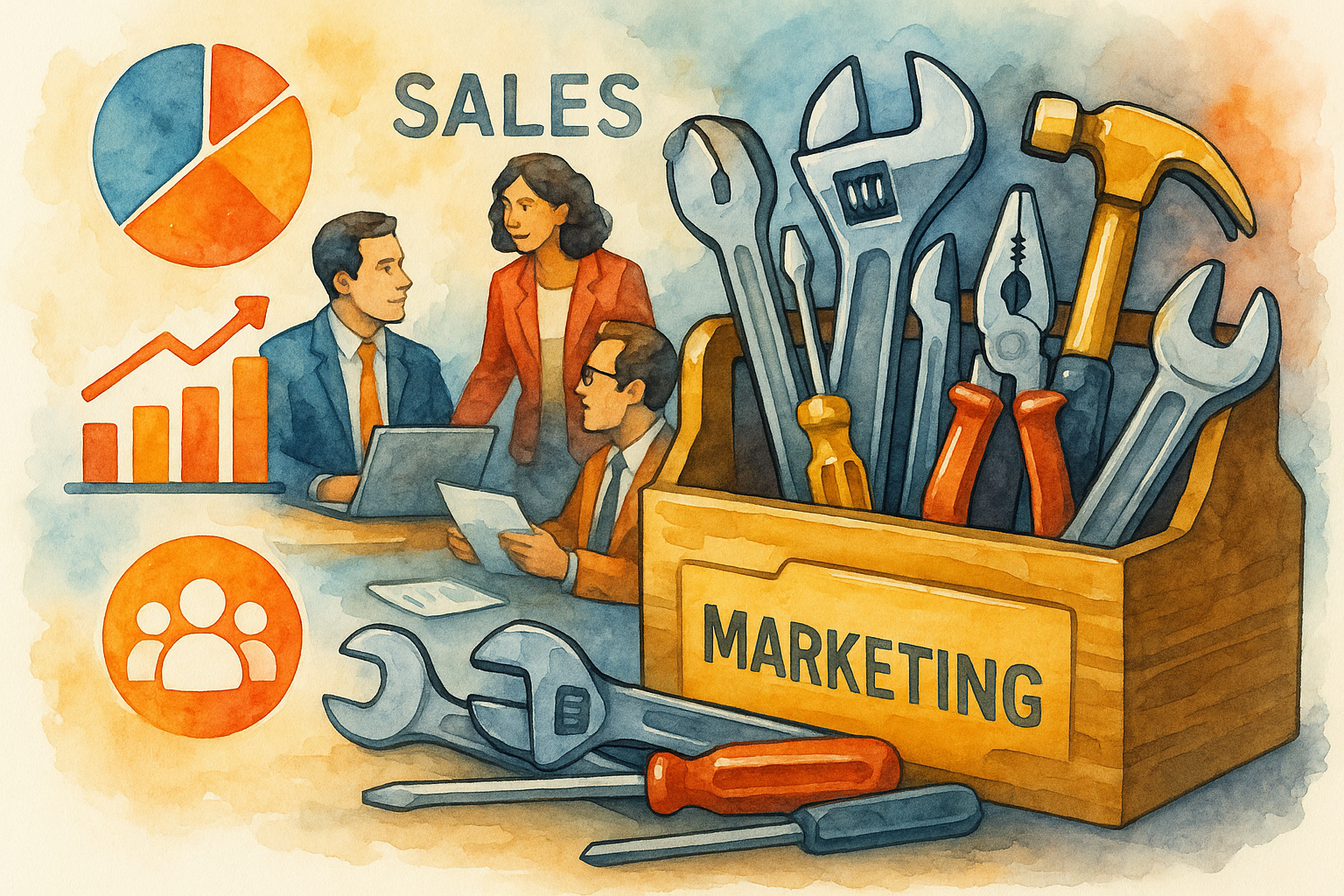
Learn how to build a comprehensive B2B marketing toolkit to enhance your sales enablement strategy. This article covers essential tools and techniques necessary for effective lead generation, nurturing, and conversion.
📑 Table of Contents
- Understanding the Role of a B2BMarketingToolkit in Sales Enablement
- Core Components of an Effective B2B Marketing Toolkit
- Customer RelationshipManagement(CRM) Systems
- Content Management Systems (CMS)
- Sales Enablement Platforms
- EmailAutomationTools
- Strategies for Integrating and Utilizing Your Toolkit
- Aligning Sales and Marketing Objectives
- Training and Development
- Creating a Feedback Loop
- Metrics to Measure the Effectiveness of Your Marketing Toolkit
- Sales Conversion Rates
- Customer Engagement Levels
- ROI of Marketing Tools
- Case Studies: Successful B2B Marketing Toolkits
- Emerging Trends in Sales Enablement Tools
- Practical Takeaways for Building Your B2B Marketing Toolkit
Understanding the Role of a B2B Marketing Toolkit in Sales Enablement
A B2B marketing toolkit for sales enablement is a collection of resources designed to improve the efficiency and effectiveness of a sales team. These tools are tailored to help bridge the gap between marketing efforts and sales execution, ensuring that sales teams have everything they need to attract and engage potential customers effectively. The primary purpose of these tools is to facilitate smoother communication, provide detailed customer insights, and enable personalized customer interactions. By leveraging a comprehensive toolkit, businesses can ensure that their sales teams are equipped to handle the modern challenges of the B2B landscape, which includes longer sales cycles and more informed buyers.
Core Components of an Effective B2B Marketing Toolkit
Customer Relationship Management (CRM) Systems
CRM systems are crucial for managing interactions with current and potential customers. They store information such as contact details, communication history, and sales activity. This centralized data helps sales teams understand customer behavior and tailor their approaches accordingly.
Content Management Systems (CMS)
A CMS helps in creating, managing, and tracking content that is used across sales and marketing platforms. Quality content is essential for engaging potential clients, and a CMS enables the marketing team to provide sales with up-to-date, relevant materials such as case studies, product sheets, and white papers.
Sales Enablement Platforms
These platforms integrate tools necessary for sales success, such as content sharing, training modules, and deal tracking. They enhance the alignment between sales and marketing by ensuring that all resources are accessible and utilized effectively.
Email Automation Tools
Email remains a powerful tool for personal communication with prospects and customers. Automation tools help in managing large-scale campaigns and personalized follow-ups, ensuring consistent communication and nurturing of leads through the sales funnel.
Strategies for Integrating and Utilizing Your Toolkit
Aligning Sales and Marketing Objectives
The first step in utilizing a marketing toolkit effectively is aligning the goals and strategies of the marketing and sales teams. Regular meetings and shared performance metrics can help maintain alignment, ensuring that both teams work towards common objectives.
Training and Development
Continuous training on the tools included in the toolkit is essential. Sales teams must understand how to use each component effectively to maximize their potential. This might involve regular workshops, webinars, and one-on-one training sessions.
Creating a Feedback Loop
Implementing a feedback mechanism helps in refining the toolkit. Sales teams can provide insights into what tools are working and what needs improvement. This ongoing feedback is crucial for keeping the toolkit relevant and effective.
Metrics to Measure the Effectiveness of Your Marketing Toolkit
Sales Conversion Rates
Monitoring how sales conversions are influenced by the toolkit gives direct insight into its effectiveness. An increase in conversion rates often indicates that the tools are being used effectively and are resonating with customers.
Customer Engagement Levels
Tools aimed at increasing customer engagement should be monitored to see how interactions change over time. Metrics like email open rates, website visits, and time spent on pages can be valuable indicators.
ROI of Marketing Tools
Evaluating the return on investment (ROI) for each tool within the toolkit helps in understanding which resources are yielding the best results. This analysis is crucial for budgeting and for decisions related to toolkit adjustments.
Case Studies: Successful B2B Marketing Toolkits
Analyzing case studies of successful B2B companies can provide practical insights into how a well-integrated marketing toolkit can enhance sales enablement. These real-life examples highlight best practices and innovative approaches to leveraging technology for improved sales outcomes.
Emerging Trends in Sales Enablement Tools
Staying abreast of emerging technologies and trends is vital. Tools like artificial intelligence (AI) and machine learning are beginning to play a larger role in sales enablement, offering new ways to analyze customer data and automate complex processes. As these technologies continue to evolve, they will likely become standard components of the B2B marketing toolkit.
Practical Takeaways for Building Your B2B Marketing Toolkit
Developing a B2B marketing toolkit is not a one-time effort but an ongoing process of adaptation and improvement. Start by identifying the core tools that will address your immediate sales needs and objectives. Regularly update the toolkit based on technological advancements and feedback from the sales team. Most importantly, ensure that every tool enhances the alignment between your marketing strategies and sales execution, ultimately leading to sustained business growth.
Frequently Asked Questions
What are the essential components of a B2B marketing toolkit for sales enablement?
A robust B2B marketing toolkit for sales enablement should include a variety of tools designed to streamline and enhance the sales process. Key components typically include CRM software for managing customer relationships, content management systems to store and share marketing materials, analytics tools to track engagement and effectiveness, training resources for sales teams, and collaboration tools to ensure alignment between sales and marketing teams. Incorporating these tools helps in creating a cohesive strategy that empowers sales teams to effectively engage with prospects and close deals.
How can marketing teams best support sales teams using tools in the toolkit?
Marketing teams can support sales teams by ensuring that they have easy access to up-to-date, relevant marketing materials such as case studies, product datasheets, and demo videos. Additionally, marketing can utilize analytics tools to provide sales with insights into customer behaviors and preferences, which can guide personalized sales approaches. Regular training and updates on new marketing strategies and tools can also enhance sales performance. Ultimately, maintaining open lines of communication between these teams is crucial to align goals and strategies, optimizing the effectiveness of the toolkit.
What are the best practices for integrating new tools into an existing B2B marketing toolkit?
Integrating new tools into an existing B2B marketing toolkit should be approached strategically to ensure smooth adoption and maximum impact. Start by clearly defining the objectives and expected benefits of the new tool. It's important to involve key stakeholders from both sales and marketing early in the decision-making process to gather input and gain buy-in. Provide comprehensive training and support to ensure all users are comfortable and proficient with the new tools. Lastly, continuously monitor the tool's performance and seek feedback from users to make necessary adjustments and optimize its use.
Sources and References
- The Forrester Wave™: B2B Marketing Automation Platforms, Q4 2020 - This report by Forrester provides an in-depth analysis of the top B2B marketing automation platforms, which are essential components of a B2B marketing toolkit. It offers comparative insights that help understand how different platforms can enhance sales enablement strategies.
- The New Sales Imperative - Published by Harvard Business Review, this article explores innovative sales strategies in the B2B sector and underscores the importance of integrating effective marketing tools into the sales process to boost productivity and effectiveness.
- What is CRM? - Salesforce provides a detailed overview of Customer Relationship Management (CRM) systems, explaining how they serve as a vital component of a B2B marketing toolkit by helping businesses manage and analyze customer interactions and data throughout the customer lifecycle.
- What is Content Marketing? - The Content Marketing Institute offers a comprehensive definition and explores the role of content management systems (CMS) in content marketing. This source is crucial for understanding how CMS can be leveraged in a B2B marketing toolkit to enhance engagement and sales enablement.
- Machine Learning in B2B Sales and Marketing - A research paper hosted by Google Research that discusses the application of AI and machine learning in improving B2B sales and marketing strategies. This source is pertinent for understanding the technological advancements that can be incorporated into a B2B marketing toolkit.
- Unlocking the Full Potential of B2B Sales - McKinsey & Company provide insights into how companies can enhance their B2B sales strategies. This report supports the discussion on the necessity of a well-equipped B2B marketing toolkit for effective sales enablement.