How to Boost Your B2B Sales With Smart Email Segmentation
The Importance of Customer Segmentation in B2B Email Marketing Customer segmentation is a pivotal strategy in B2B email marketing, enabling businesses to...

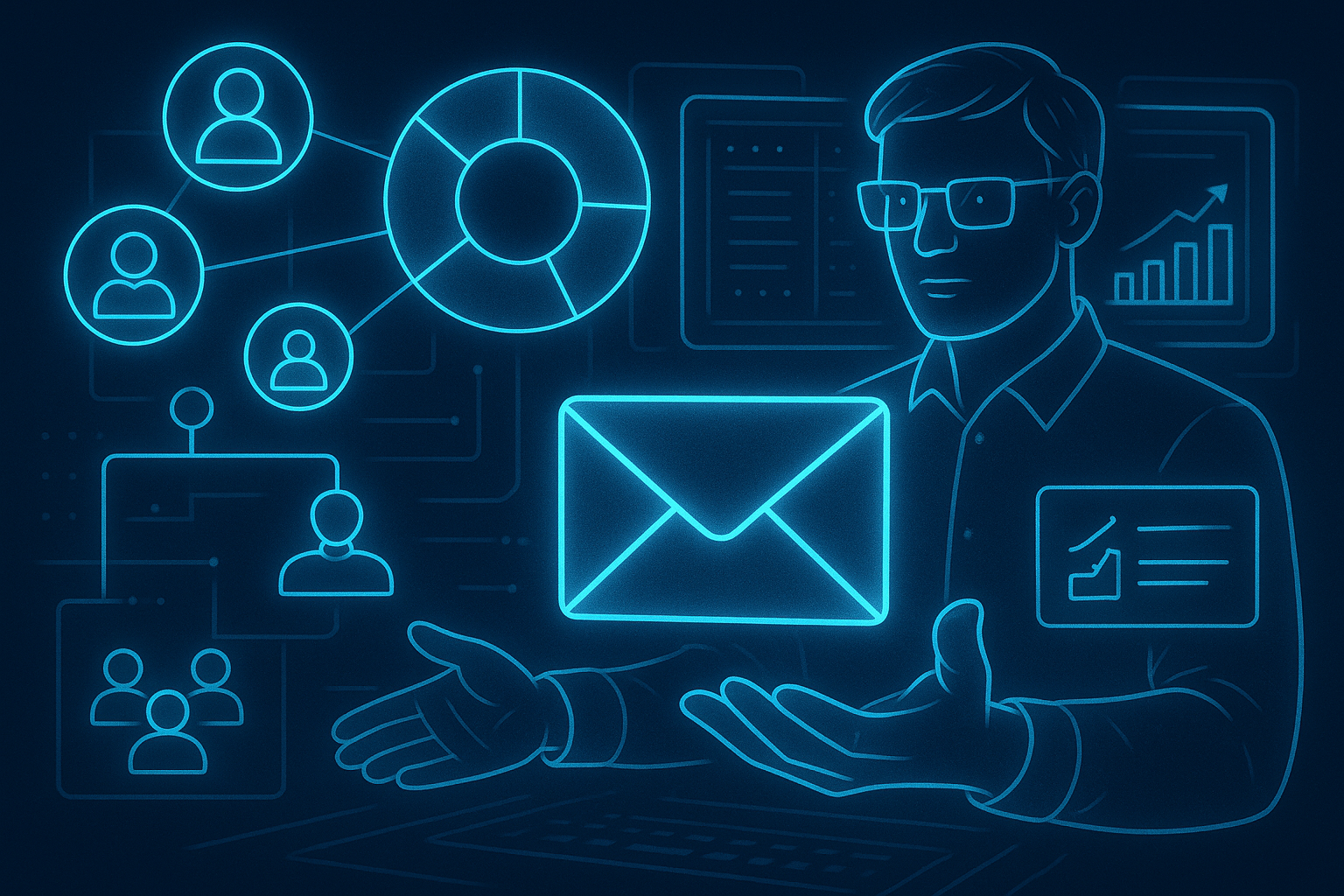
Discover how to boost your B2B marketing through effective customer segmentation in email campaigns. Learn to tailor content, increase engagement, and drive conversions by focusing on specific business segments.
📑 Table of Contents
- The Importance of Customer Segmentation in B2B EmailMarketing
- Understanding Different Segmentation Models
- Demographic Segmentation
- Behavioral Segmentation
- Needs-Based Segmentation
- Collecting and Utilizing Data for Segmentation
- Designing Emails for Segmented Audiences
- Crafting Personalized Messages
- Visual and Content Considerations
- Integrating Technology in Email Campaigns
- Measuring Success and Optimizing Campaigns
- Key Performance Indicators (KPIs)
- Continuous Improvement
- Strategic Takeaways for Long-Term Success
The Importance of Customer Segmentation in B2B Email Marketing
Customer segmentation is a pivotal strategy in B2B email marketing, enabling businesses to tailor their communication to meet the specific needs and interests of different groups within their audience. This targeted approach not only enhances engagement rates but also boosts the effectiveness of marketing campaigns by delivering relevant content to the right people. Segmentation can be based on various criteria such as industry, company size, role in the company, past purchasing behavior, and engagement level with previous campaigns.
Understanding Different Segmentation Models
Demographic Segmentation
Demographic segmentation involves dividing the market into groups based on variables such as industry, company size, or job role. For example, the needs and interests of a small startup can be very different from a large multinational corporation, thus necessitating different messaging.
Behavioral Segmentation
This model segments based on behaviors such as user engagement, purchase history, and interaction with previous emails. Behavioral data is particularly valuable as it provides insights into what motivates individuals to act, which can be crucial for crafting compelling email content.
Needs-Based Segmentation
Segmenting your audience based on their specific needs or pain points can lead to highly personalized email campaigns. This requires a deep understanding of your audience's challenges and how your products or services provide solutions.
Collecting and Utilizing Data for Segmentation
Effective segmentation is heavily reliant on data quality. Collecting comprehensive and accurate data from your CRM, website interactions, social media engagement, and past email responses is essential. Utilize analytics tools to track behavior and engagement metrics, which can inform your segmentation strategy. It's also critical to maintain data hygiene. Regular updates and clean-ups of your database ensure that your segmentation remains relevant and that your messages reach the intended recipients.
Designing Emails for Segmented Audiences
Crafting Personalized Messages
Once you have identified your segments, crafting messages that resonate with each group is crucial. Personalization goes beyond just addressing the recipient by name; it includes tailoring the content, offers, and calls to action based on the segment’s characteristics and needs.
Visual and Content Considerations
The design and content of your emails should align with the preferences and professional standards of your segmented groups. For instance, a visually rich email might be more appealing to creative industries, whereas a straightforward, text-focused email might perform better with technical or professional services audiences.
Integrating Technology in Email Campaigns
Using advanced email marketing tools can significantly enhance the effectiveness of your campaigns. Automation tools allow you to send emails triggered by specific actions, such as downloading a white paper or visiting a certain webpage. Furthermore, A/B testing tools can help you experiment with different email elements to see what works best for each segment.
Measuring Success and Optimizing Campaigns
Key Performance Indicators (KPIs)
To evaluate the effectiveness of your segmented email campaigns, focus on KPIs such as open rates, click-through rates, conversion rates, and overall ROI. These metrics will provide insights into how well your messages resonate with different segments and which strategies are most effective.
Continuous Improvement
Email marketing is not a set-and-forget strategy. Continuously analyze the performance data, gather feedback, and make adjustments to your segments, messages, and overall strategy. This iterative process helps in refining your approach and achieving better results over time.
Strategic Takeaways for Long-Term Success
For sustained success in B2B email marketing, it’s crucial to stay committed to understanding your audience deeply. Keep abreast of any shifts in market dynamics or changes in your audience’s behavior and preferences. Moreover, leverage technology not just for automation, but also for gaining deeper insights into customer behaviors and preferences. Finally, always prioritize the quality of your data and the relevance of your content, as these are the cornerstones of effective customer segmentation and targeted marketing. By investing in a well-thought-out segmentation strategy and continuously refining your approach based on performance analytics, you can maintain a powerful, effective B2B email marketing strategy that resonates with your audience and drives business growth.
Frequently Asked Questions
What is customer segmentation in B2B email marketing?
Customer segmentation in B2B email marketing refers to the process of dividing a business’s customer base into smaller groups based on specific criteria such as industry, company size, role in the purchasing process, past purchases, or engagement level. This approach allows marketers to tailor their email campaigns more precisely to the needs, preferences, and behaviors of each segment, thereby increasing the relevance and effectiveness of their communications.
How does segmentation improve the effectiveness of B2B email campaigns?
Segmentation improves the effectiveness of B2B email campaigns by enabling marketers to deliver more targeted and personalized messages. By understanding the specific needs and characteristics of each segment, marketers can craft emails that speak directly to the interests of their audience. This targeted approach helps in improving open rates, click-through rates, and conversions, as well as reducing unsubscribe rates. It also enhances customer satisfaction and loyalty by providing content that is relevant and valuable to the recipients.
What are some common criteria used for segmenting B2B email lists?
Common criteria used for segmenting B2B email lists include demographic data such as industry type, company size, and job title. Behavioral data such as past purchase behavior, email engagement (e.g., opens and clicks), and website interactions can also be used. Additionally, geographic location and stage in the sales funnel are important segmentation factors that can help tailor email campaigns to suit the specific context and needs of each customer group.
Sources and References
- The 2023 State of Marketing Report - This report from HubSpot provides comprehensive insights into the latest trends and effectiveness of email marketing within the B2B sector. It specifically highlights how customer segmentation enhances campaign performance, supporting the article's discussion on the importance of segmentation in B2B email marketing.
- The Art Of Email Segmentation - Forrester's detailed analysis explores different segmentation models and their impact on email marketing strategies. This source is particularly relevant for understanding how demographic, behavioral, and needs-based segmentation can be applied effectively in B2B contexts.
- Advanced Techniques in Segmentation for Email Marketing - This academic paper discusses various advanced statistical and machine learning techniques for customer segmentation in email marketing. It provides a deep dive into the methodologies that can be used for behavioral and needs-based segmentation, directly supporting the technical discussions in the article.
- U.S. Census Bureau Age and Sex Composition Data - This government database offers demographic data which can be crucial for demographic segmentation in B2B email campaigns. The source is essential for understanding the demographic breakdown of potential business clients, which is discussed under demographic segmentation in the article.
- A Technology Blueprint for Personalization at Scale - McKinsey's report provides insights into how technology can be leveraged to personalize B2B email campaigns through effective segmentation. This supports the article's section on using customer data for crafting targeted email strategies.
- The New Science of Customer Emotions - This Harvard Business Review article explores how understanding customer emotions and needs can drive engagement and segmentation strategies. It provides a psychological perspective to needs-based segmentation, enriching the discussion on crafting emotionally intelligent B2B email campaigns.