How Segmentation Elevates Your B2B Marketing Campaigns
Segmentation is the backbone of effective B2B marketing. By dividing a broad market into clear segments, businesses can tailor their messaging and offers to...

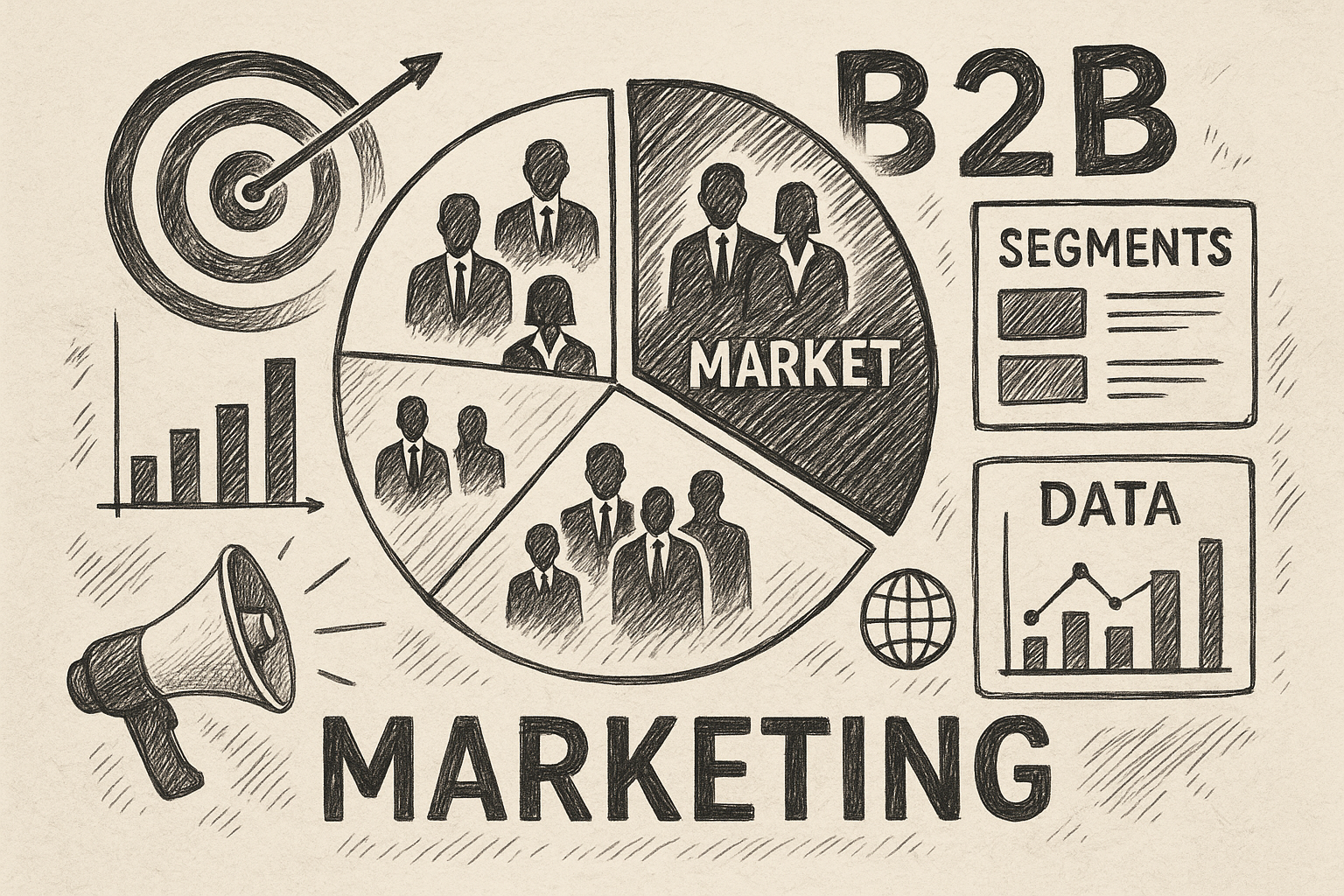
Discover how to boost your B2B marketing effectiveness through segmentation. Learn to identify and target specific business segments, tailor messaging for maximum impact, and measure the success of your campaigns for continual improvement.
📑 Table of Contents
- Understanding the Importance of Segmentation in B2BMarketing
- Identifying Your B2B Market Segments
- Using Data to Define Segments
- Developing a Segmentation Strategy
- Aligning Product Offerings and Marketing Messages
- Executing Targeted B2B Marketing Campaigns
- Personalization andAutomation
- Measuring the Success of Segmented B2B Campaigns
- Continuous Improvement through Feedback Loops
- Staying Ahead of the Curve in B2B Segmentation
- Practical Takeaway for B2B Marketers
Understanding the Importance of Segmentation in B2B Marketing
Segmentation is the backbone of effective B2B marketing. By dividing a broad market into clear segments, businesses can tailor their messaging and offers to meet the specific needs and preferences of their target audience. This targeted approach not only enhances engagement but also improves the overall efficiency of marketing campaigns. Segmentation enables marketers to focus their resources on the most lucrative segments, driving better returns on investment.
Identifying Your B2B Market Segments
Effective segmentation begins with a deep understanding of your market. B2B segments typically involve factors like industry, company size, geographic location, and decision-maker roles. Each of these segments can have distinct needs, challenges, and motivations. For instance, the demands of a small tech startup can be vastly different from those of a large manufacturing firm. Identifying these segments requires both quantitative data, such as market size and growth rates, and qualitative insights, such as customer pain points and buying behaviors.
Using Data to Define Segments
Data plays a crucial role in defining accurate market segments. Analyzing customer data through CRM systems, market research, and interaction analytics can provide valuable insights into how different segments respond to your products or services. This data-driven approach ensures that segments are based on real-world patterns and behaviors rather than assumptions.
Developing a Segmentation Strategy
Once market segments are defined, the next step is to develop a segmentation strategy. This involves deciding which segments to target and determining the best ways to reach and engage these segments. Factors to consider include the profitability of the segment, alignment with business objectives, and the competitive landscape. A well-crafted strategy will prioritize segments where the company’s offerings are most likely to meet an urgent need, ensuring marketing efforts are concentrated where they can make the most impact.
Aligning Product Offerings and Marketing Messages
Each segment may require a slightly different approach in terms of product offerings and marketing messages. Customizing your approach to fit the specific characteristics and needs of each segment can significantly increase the effectiveness of your marketing efforts. This might involve adapting product features, tweaking service levels, or varying promotional tactics to better meet the expectations of different segments.
Executing Targeted B2B Marketing Campaigns
With a clear understanding of your segments and a strategy in place, execution becomes the focus. Effective B2B marketing campaigns often use a mix of digital and traditional marketing channels to reach their audience. Email marketing, LinkedIn advertising, industry-specific publications, and direct sales outreach are common tactics. The key is to match the channel with the preferences and behaviors of the segment you are targeting.
Personalization and Automation
Personalization is critical in B2B marketing. Utilizing marketing automation tools can help tailor content and messages to the needs of each segment at scale. Automation can also assist in managing complex customer journeys that may involve multiple decision-makers and touchpoints over a prolonged sales cycle.
Measuring the Success of Segmented B2B Campaigns
Measurement is essential to understand the effectiveness of your segmentation strategy and to make informed decisions about future marketing efforts. Key performance indicators (KPIs) for B2B marketing might include lead generation, conversion rates, customer acquisition costs, and customer lifetime value. Advanced analytics can help attribute these metrics to specific segments, providing insights into which segments are most profitable and which strategies are working.
Continuous Improvement through Feedback Loops
Effective segmentation is not a set-it-and-forget-it process. Continuous improvement is necessary to adapt to changing market conditions and customer needs. Establish feedback loops that allow you to gather and analyze customer feedback, sales data, and marketing performance data. Use this information to refine your segments and strategies over time, ensuring they remain aligned with market realities.
Staying Ahead of the Curve in B2B Segmentation
The landscape of B2B marketing is continually evolving. Staying ahead requires marketers to be proactive about monitoring trends and innovations in segmentation strategies. Keeping an eye on technological advancements, changes in consumer behavior, and broader economic factors can help anticipate shifts that might affect your segments. Engaging with ongoing education and industry forums can also provide fresh insights and ideas for enhancing your segmentation approach.
Practical Takeaway for B2B Marketers
To maximize the effectiveness of your B2B marketing campaigns, begin with robust market segmentation. Use data to accurately identify and understand your segments, develop a focused strategy that aligns with your business goals, and execute with precision using personalized, automated marketing tactics. Measure your results diligently and maintain flexibility to iterate and improve your strategies. By adhering to these principles, you can ensure that your marketing efforts are both efficient and impactful, leading to sustained business growth.
Frequently Asked Questions
What is market segmentation in B2B marketing?
Market segmentation in B2B marketing refers to the process of dividing a broad target market into smaller, more manageable groups of companies or professionals based on shared characteristics. These characteristics can include industry type, company size, geographic location, and specific needs or behaviors. By creating these segments, marketers can tailor their campaigns to be more relevant and effective, addressing specific needs and preferences of each group.
How can segmentation improve the effectiveness of B2B marketing campaigns?
Segmentation enhances B2B marketing campaigns by allowing marketers to focus their resources on the most promising prospects, tailor messages that resonate with specific groups, and align product offerings with the unique needs of each segment. This targeted approach not only increases the relevance of the marketing efforts but also improves response rates, boosts conversion rates, and enhances overall customer satisfaction by delivering more personalized experiences.
What are the key steps in developing a segmented B2B marketing campaign?
Developing a segmented B2B marketing campaign involves several key steps: 1. Data Collection: Gather comprehensive data on potential clients, including demographic, firmographic, and behavioral information. 2. Market Analysis: Analyze the collected data to identify patterns and common characteristics that can form the basis for distinct segments. 3. Segment Creation: Define the segments based on the analysis, ensuring each segment is distinct, accessible, substantial, and actionable. 4. Campaign Development: Design specific marketing strategies and messages tailored to the needs and characteristics of each segment. 5. Implementation and Monitoring: Launch the campaigns for each segment and continuously monitor performance, making adjustments as necessary to optimize results.
What data sources are typically used for B2B market segmentation?
Typical data sources for B2B market segmentation include CRM systems, sales data, website analytics, social media analytics, industry reports, and market research studies. These sources provide valuable insights into customer demographics, firmographics, online behavior, purchasing patterns, and preferences, which are crucial for creating effective and precise market segments.
Sources and References
- A Road Map to B2B Segmentation - McKinsey & Company - This source provides a comprehensive guide on the strategic importance of segmentation in B2B marketing. It supports the article's discussion on developing a segmentation strategy by offering insights into how companies can identify and target specific market segments effectively.
- Using Segmentation to Drive Growth - Harvard Business Review - This article explores how segmentation can be used to refine marketing strategies and align product offerings with market needs. It supports the section on aligning product offerings and marketing messages by discussing practical examples of successful segmentation in B2B contexts.
- The Forrester Wave: B2B Marketing Data Providers Q3 2021 - Forrester - This report provides an evaluation of top data providers that aid in segmenting B2B markets. It supports the article's focus on using data to define segments by highlighting the role of advanced data analytics in understanding market dynamics.
- Machine Learning in B2B Segmentation - Google Research - This research paper discusses the application of machine learning techniques in the segmentation of B2B markets. It directly supports the article's discussion on the use of AI and data analytics in creating targeted marketing campaigns.
- Annual Business Survey - U.S. Census Bureau - This government database offers detailed statistical data on business demographics which can be crucial for identifying B2B market segments. It provides the foundational data needed for the article's sections on identifying market segments and using data to define these segments.
- Data-Driven Decision Making in Content Strategy - Content Marketing Institute - This source discusses how data influences strategic decisions in content marketing, supporting the article's emphasis on aligning marketing messages with segmented market data.
- Advanced Analytics for B2B Marketing - arXiv - This academic paper delves into the use of advanced analytics for improving marketing effectiveness in B2B settings. It complements the article's discussion on the integration of sophisticated data analysis tools in segmentation strategies.