How Personalization Transforms Your B2B Marketing Strategy
Understanding the Importance of Personalization in B2B Marketing Personalization in B2B marketing isn't just a trend; it's a fundamental strategy that directly...

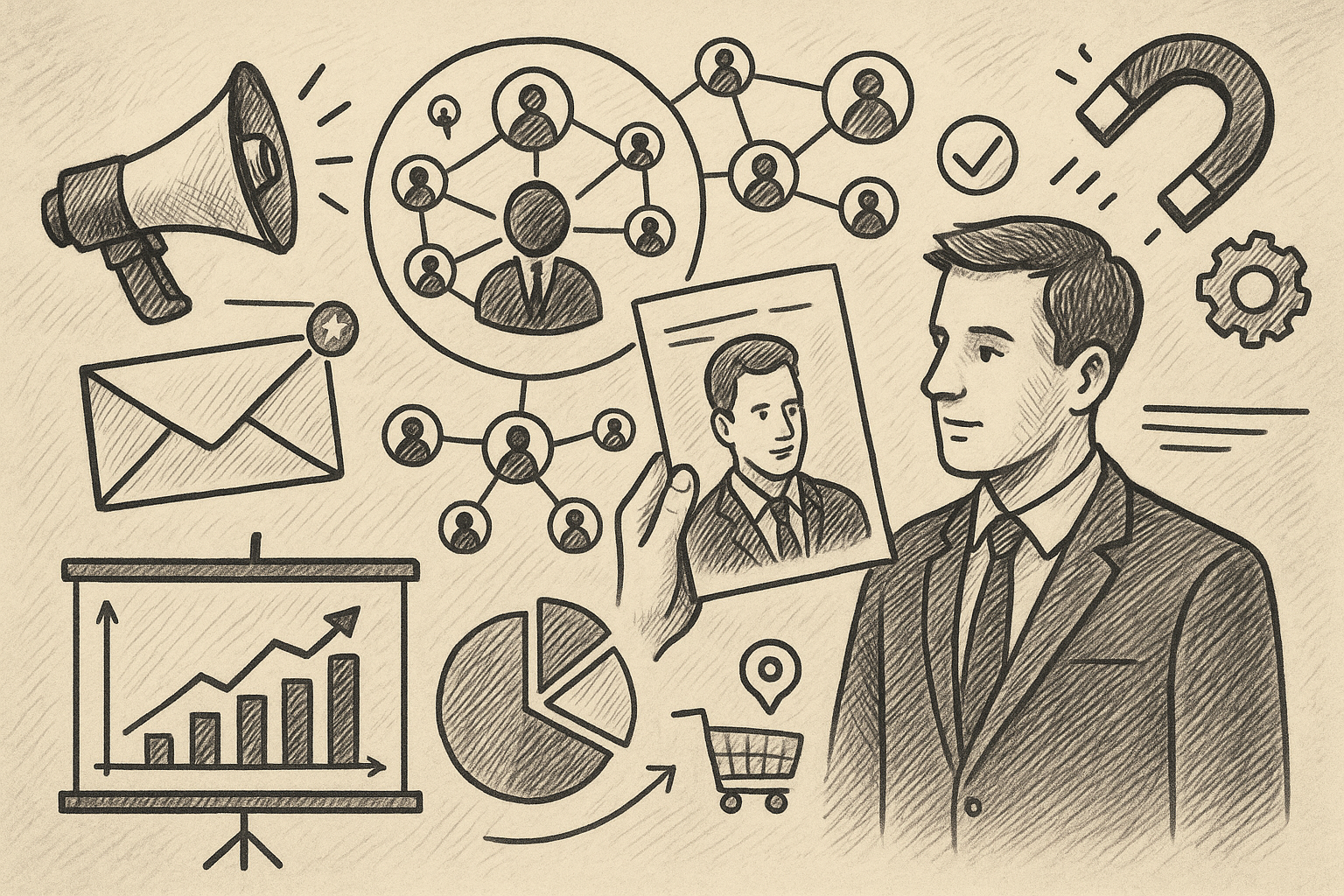
Discover how to craft a personalized B2B marketing strategy that resonates with target businesses. Learn to leverage data, tailor communications, and build meaningful connections to enhance engagement and increase conversions.
📑 Table of Contents
- Understanding the Importance of Personalization in B2BMarketing
- Identifying Your Target Audience and Their Needs
- Designing Personalized B2B Marketing Campaigns
- Integrating Personalization Technology
- Building Lasting Relationships Through Personalized Engagement
- Measuring the Success of Personalized B2B Marketing Strategies
- Practical Takeaways for Implementing Personalization in B2B Marketing
Understanding the Importance of Personalization in B2B Marketing
Personalization in B2B marketing isn't just a trend; it's a fundamental strategy that directly impacts the effectiveness of marketing efforts. In a landscape where business customers are increasingly expecting tailored experiences similar to those they receive as individual consumers, personalization stands out as a critical differentiator. Personalization in B2B contexts involves understanding the specific needs, behaviors, and challenges of business clients and using this insight to deliver more relevant, impactful marketing messages and product offerings.
Identifying Your Target Audience and Their Needs
The first step in crafting a personalized B2B marketing strategy is to develop a deep understanding of your target audience. This involves segmenting your market based on various criteria such as industry, company size, role within the company, and specific pain points. ### Developing Buyer Personas Creating detailed buyer personas is essential. These personas should be comprehensive, including not only demographic information but also psychographic insights such as the buyer’s motivations, preferences, and behaviors. This depth enables marketers to design campaigns that speak directly to the core needs and interests of each persona. ### Utilizing Data Analytics Leveraging data analytics enhances understanding of your audience. Analyze past interactions, purchase history, and engagement across platforms to identify trends and patterns in behavior. This data-driven approach ensures your personalization strategies are grounded in real customer insights.
Designing Personalized B2B Marketing Campaigns
With a clear picture of your target audience, the next step is to design marketing campaigns that leverage personalization to engage and convert these prospects effectively. ### Content Customization Tailor your content to address the specific concerns and needs of each segment. This could be through personalized emails, customized landing pages, or targeted content offers that address specific business problems or opportunities. ### Channel Selection Choose the right channels to reach your audience. Some segments may respond better to direct emails, others to LinkedIn campaigns, and yet others might engage more deeply with webinar series. The choice of channel is as crucial as the content itself.
Integrating Personalization Technology
To implement personalization at scale, the use of advanced marketing technology is essential. Tools such as CRM systems, marketing automation, and AI-driven analytics platforms can help manage and analyze customer data, automate personalized communications, and deliver content at optimal times. ### Marketing Automation Tools These tools can help schedule and deploy marketing messages based on user behavior or predefined triggers, which ensures timely and relevant engagement. ### AI and Machine Learning AI technologies can predict customer behavior, personalize content in real-time, and optimize the marketing mix for individual accounts based on data-driven insights. This level of customization is often what sets successful B2B marketers apart.
Building Lasting Relationships Through Personalized Engagement
Personalization should not end with marketing campaigns. The goal is to build ongoing relationships that foster loyalty and encourage long-term business. ### Account-Based Marketing (ABM) ABM is a strategy that concentrates sales and marketing resources on a clearly defined set of target accounts within a market and employs personalized campaigns designed to resonate with each account. With ABM, the personalization extends into the sales process and customer service, providing a seamless experience across all touchpoints. ### Customer Feedback Loops Implementing mechanisms to capture customer feedback regularly helps refine and enhance personalization efforts. This feedback loop can guide adjustments in strategy and tactics, ensuring that the personalization remains relevant and effective.
Measuring the Success of Personalized B2B Marketing Strategies
To ensure the effectiveness of your personalized marketing efforts, it's crucial to measure performance and adjust based on results. ### Key Performance Indicators (KPIs) Establish KPIs that will help you measure the impact of personalization on your marketing goals. Common metrics include conversion rates, customer acquisition costs, customer lifetime value, and engagement rates. ### A/B Testing Regularly testing different versions of your personalized campaigns allows you to understand what works best for your audience. This not only refines your approach but also enhances the overall effectiveness of your marketing efforts.
Practical Takeaways for Implementing Personalization in B2B Marketing
To effectively implement a personalized B2B marketing strategy, start with a robust understanding of your target audience. Utilize advanced technology to scale your efforts, and focus on creating meaningful, ongoing interactions with customers. Always measure the impact of your strategies and remain flexible to adapt to feedback and changing market conditions. Remember, the goal of personalization is to make the client feel uniquely understood and valued, which is a timeless marketing principle.
Frequently Asked Questions
What is personalized marketing in a B2B context?
Personalized marketing in a B2B context involves tailoring your marketing strategies and communications to meet the specific needs, interests, and characteristics of individual businesses or decision-makers within those businesses. This approach aims to enhance engagement, build stronger relationships, and increase the effectiveness of marketing efforts by delivering more relevant, targeted content.
How can B2B marketers effectively segment their audience for personalization?
Effective segmentation in B2B marketing can be achieved by identifying various characteristics of the target businesses, such as industry type, company size, decision-making roles, purchasing power, and previous interactions with your brand. By analyzing these factors, marketers can create distinct segments that allow for more tailored and impactful communication strategies.
What are the key elements of a successful personalized B2B marketing strategy?
A successful personalized B2B marketing strategy should include comprehensive data collection and analysis, clear segmentation of the audience, creation of customized content that addresses the specific needs and pain points of each segment, and continuous measurement and optimization based on feedback and performance metrics. Integrating technology such as CRM systems and marketing automation tools can also enhance the effectiveness of personalization efforts.
What challenges might B2B marketers face in implementing personalization?
Challenges in implementing personalization in B2B marketing may include data privacy concerns, the complexity of integrating and analyzing large volumes of data, ensuring content relevance across different segments, and aligning personalized marketing efforts with overall business objectives. Overcoming these challenges typically requires a strategic approach, investment in the right technologies, and ongoing adjustments based on analytical insights.
Sources and References
- The New B2B Growth Equation - McKinsey & Company - This report by McKinsey explores the impact of personalization in B2B marketing, emphasizing how tailored engagements significantly boost customer satisfaction and business outcomes. It supports the article's discussion on the importance of personalization in B2B environments.
- The B2B Elements of Value - Harvard Business Review - This article provides a framework for understanding what B2B customers value most, which is crucial for identifying target audience and their needs as discussed in the article. It breaks down specific elements that enhance customer value and drive engagement.
- How Personalization Differentiates B2B Content - Content Marketing Institute - This piece details strategies for designing personalized B2B marketing campaigns, aligning closely with the article's section on creating effective personalized content that resonates with the target audience.
- The Forrester Wave: CRM Suites for Enterprise Organizations - This Forrester report evaluates top CRM technologies that facilitate personalization in marketing strategies. It supports the article's discussion on integrating personalization technology by providing insights into leading solutions and their capabilities.
- Building Lasting Relationships Through Customer Engagement - Salesforce - This resource from Salesforce elaborates on techniques for building lasting relationships through personalized engagement, directly supporting the article's final section on maintaining long-term connections with personalized approaches.
- Advances in AI for Personalized B2B Marketing - arXiv - This academic paper discusses recent advances in AI technologies that enable deep personalization in B2B marketing. It provides a technical backdrop to the article's mention of AI in designing personalized marketing strategies.