How Personalization Transforms B2B Customer Experience
Understanding the Impact of Personalization in B2B Customer Experience Personalization in the business-to-business (B2B) sector goes beyond merely addressing a...

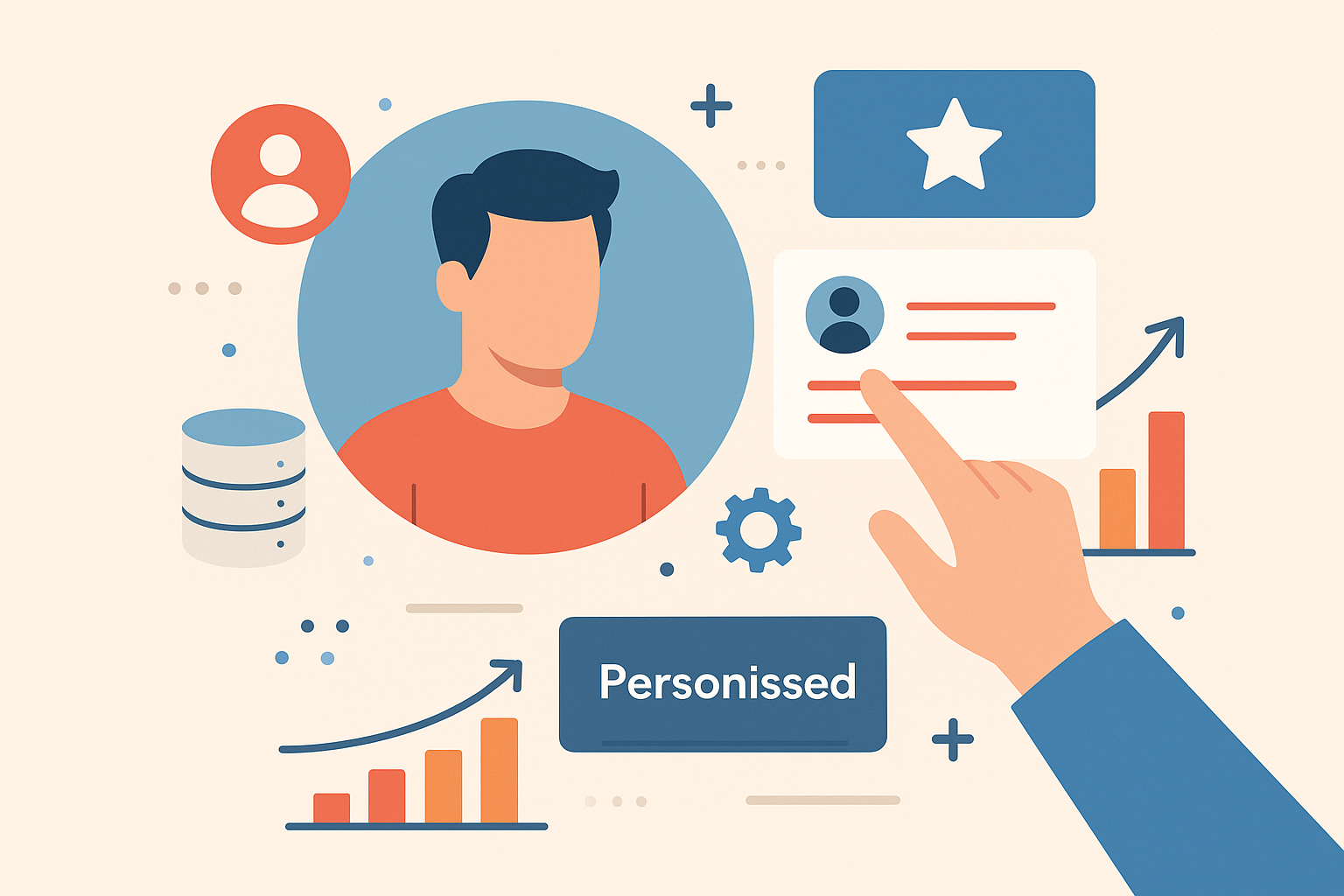
Discover how personalization transforms B2B customer experiences in this insightful article. Learn strategies to tailor interactions, boost satisfaction, and drive loyalty, ensuring your business stands out in a competitive market.
📑 Table of Contents
- Understanding the Impact of Personalization in B2BCustomerExperience
- Identifying Key Opportunities for Personalization
- Collecting and Leveraging Customer Data
- Implementing Technology Solutions
- Training Teams to Deliver Personalization
- Monitoring, Measuring, and Adjusting Strategies
- Practical Takeaway: Implementing a Personalized B2B Customer Experience Strategy
Understanding the Impact of Personalization in B2B Customer Experience
Personalization in the business-to-business (B2B) sector goes beyond merely addressing a client by their name. It involves understanding the unique needs and challenges of each business and tailoring your interactions to meet these requirements effectively. Enhanced personalization can significantly improve customer satisfaction, loyalty, and ultimately, the profitability of your business. Studies consistently show that B2B companies that excel at personalization can achieve revenue growth at twice the rate of those that do not personalize effectively. This is because personalized experiences often lead to deeper engagement and a more profound connection with the brand.
Identifying Key Opportunities for Personalization
To implement personalization, it is crucial to identify where it can make the most significant impact. This involves a deep dive into the customer journey to pinpoint touchpoints where personalized interactions can enhance the customer experience. - Sales Process: Customizing proposals and communications to address specific business needs and industry challenges. - Customer Support: Offering tailored support solutions based on the customer’s history and industry. - Product Recommendations: Suggesting products or services based on the customer’s purchase history and preferences.
Collecting and Leveraging Customer Data
Effective personalization relies heavily on data. Collecting comprehensive, accurate, and relevant data about your customers is the first step. This involves integrating data across all points of contact, from initial inquiry through to sales and after-sales service. - Data Collection Methods: Utilize CRM systems, surveys, and feedback forms to gather important customer information. - Data Analysis: Apply data analytics to understand customer behavior, preferences, and needs. - Privacy Considerations: Always adhere to data protection regulations and ensure transparency with your customers about how their data is used.
Implementing Technology Solutions
Technology plays a pivotal role in enabling personalized B2B customer experiences. Investing in the right technology can help you gather data, gain insights, and deliver personalized experiences efficiently. - CRM Systems: These are crucial for storing and analyzing customer data, enabling personalized marketing and sales strategies. - AI and Machine Learning: These technologies can predict customer needs and behaviors, allowing for more targeted interactions. - Marketing Automation Tools: These can help deliver personalized emails and content to customers based on their behavior and preferences.
Training Teams to Deliver Personalization
While technology is essential, the human element cannot be overlooked. Training your team to understand and implement personalization strategies is crucial. - Customer-facing Staff: Ensure that sales and support staff are fully trained in using customer data to tailor their communications. - Marketing Team: Should be adept at using data to segment the audience and create more relevant content and campaigns. - Leadership: Must understand the importance of personalization and support initiatives by allocating resources and guiding company culture.
Monitoring, Measuring, and Adjusting Strategies
The only way to know if your personalization efforts are successful is by continually monitoring results and making necessary adjustments. - Key Metrics: Track metrics such as customer satisfaction scores, customer retention rates, and overall sales growth. - Feedback Loops: Regularly solicit feedback from customers to find out how personalized their experience feels and what could be improved. - Continuous Improvement: Use the insights gained from monitoring and feedback to refine your personalization strategies.
Practical Takeaway: Implementing a Personalized B2B Customer Experience Strategy
To implement a successful B2B personalization strategy, start by understanding your customers deeply through data. Invest in the right technology to help manage this data and generate actionable insights. Train your teams to leverage this information effectively in their customer interactions. Lastly, always measure the impact of your personalization efforts and be prepared to adjust your strategies based on feedback and changing customer needs. By focusing on these key areas, you can ensure that your B2B personalization strategy enhances customer experience, fostering greater loyalty and driving business growth.
Frequently Asked Questions
What is personalized customer experience in B2B contexts?
Personalized customer experience in B2B contexts refers to the practice of tailoring products, services, and interactions to meet the specific needs and preferences of business clients. This involves leveraging data and analytics to understand the unique challenges and demands of each customer, and customizing communications, offerings, and support accordingly to enhance satisfaction and loyalty.
How does data drive personalization in B2B customer experiences?
Data drives personalization by providing insights into customer behaviors, preferences, and needs. In a B2B setting, this can include data from CRM systems, website interactions, past purchases, and feedback. By analyzing this data, businesses can identify trends, predict customer needs, and deliver more targeted and effective services and marketing strategies. This data-driven approach allows for a more accurate and dynamic personalization strategy, ultimately leading to better customer engagement and satisfaction.
What are the benefits of implementing personalization in B2B relationships?
Implementing personalization in B2B relationships can lead to numerous benefits including increased customer satisfaction and loyalty, higher conversion rates, and improved brand reputation. Personalization helps in creating more meaningful and relevant interactions, which can enhance the customer's overall experience and make them more likely to repeat business. Additionally, personalized experiences can help in distinguishing a company from its competitors, thereby aiding in better customer retention and acquisition.
Sources and References
- The new battleground for marketing-led growth - This McKinsey report details how personalization in B2B settings significantly enhances customer experience and drives growth. It provides empirical data and case studies that illustrate the impact of personalized marketing strategies on customer engagement and retention, supporting the article's discussion on the impact of personalization in B2B customer experience.
- The B2B Elements of Value - This Harvard Business Review article explores various components that add value to B2B customer relationships, including personalization. It supports the article's section on identifying key opportunities for personalization by discussing how understanding specific customer needs leads to better service delivery and enhanced customer satisfaction.
- Leveraging Machine Learning and AI in Personalization Strategies - This research paper from arXiv provides a technical overview of how AI and machine learning technologies can be applied to personalize customer experiences in a B2B context. It supports the article's discussion on implementing technology solutions for personalization, offering insights into the methodologies and algorithms that can be used.
- The Importance of Data in B2B Marketing - This Forrester report emphasizes the critical role of data in crafting personalized B2B marketing strategies. It provides a detailed analysis of how data collection and analysis contribute to successful personalization efforts, aligning with the article's focus on collecting and leveraging customer data.
- How to Develop a Data-Driven Personalization Strategy - This guide from the Content Marketing Institute offers practical steps for B2B marketers to harness data for personalization. It complements the article's section on leveraging customer data by providing actionable advice on analyzing and applying data to enhance the customer experience.
- How to Use Salesforce for Customer Data Integration - This technical guide from Salesforce's developer blog explains how to integrate and utilize customer data using Salesforce tools. It supports the article's discussion on technology solutions for personalization, specifically highlighting how CRM systems can be optimized for personalized customer interactions.
- 2021 AI Predictions - This PwC report provides predictions and insights into how AI is shaping various business sectors, including B2B markets. It offers a broader context for the article's discussion on AI in personalization, showing how AI-driven technologies are becoming integral to enhancing customer experiences in B2B settings.