How Effective Lead Nurturing Techniques Drive B2B Success
Lead nurturing stands as a pivotal strategy in B2B marketing, focusing on developing relationships with potential clients at every stage of the sales funnel....

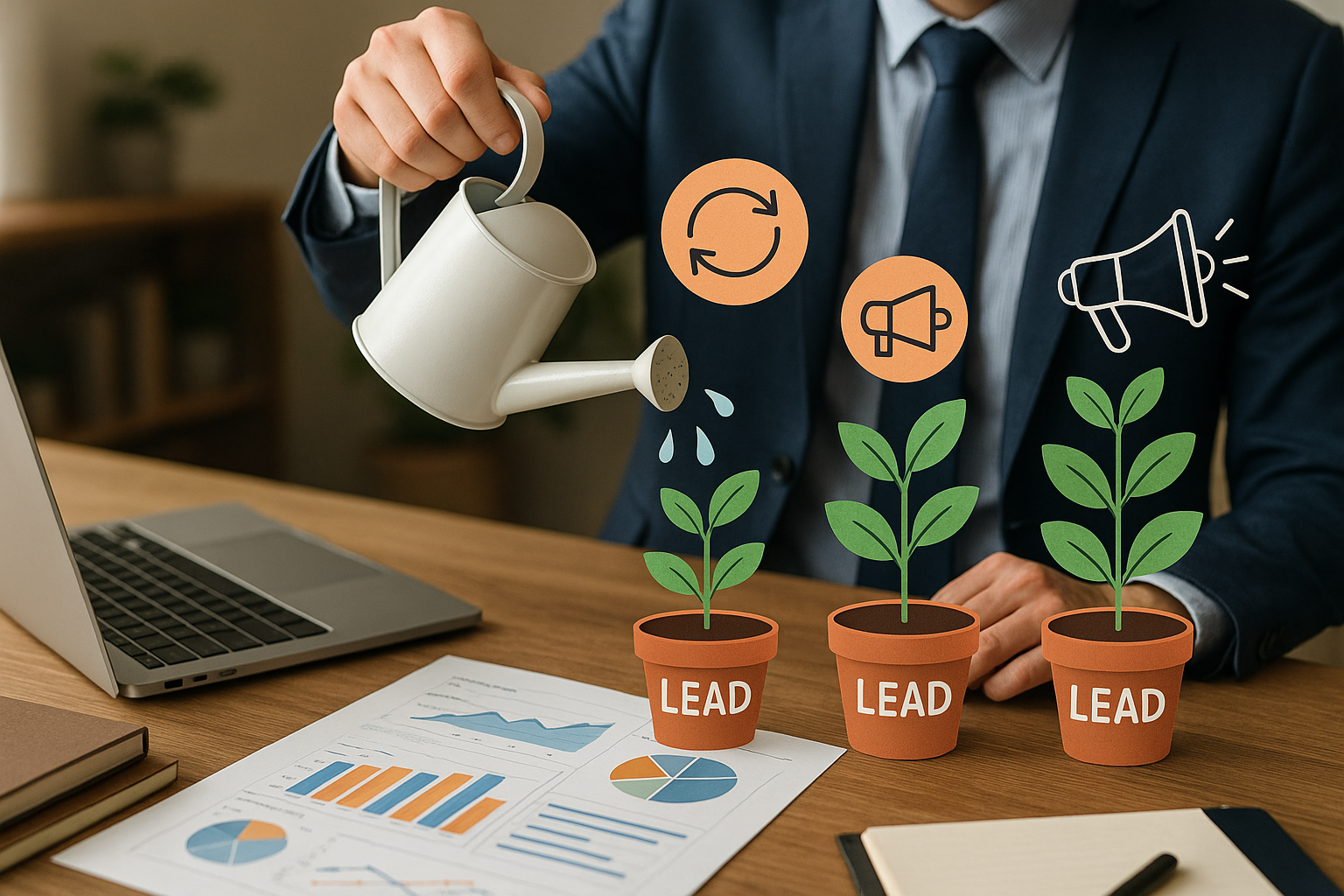
Discover proven lead nurturing strategies to boost your B2B success. This article explores techniques such as targeted content, automated workflows, and personalized communication to convert leads into loyal customers. Learn to effectively engage and win over your prospects.
📑 Table of Contents
- Understanding the Importance of Lead Nurturing in B2B Markets
- Identifying and Segmenting Your B2B Audience
- Tools for Effective Segmentation
- Developing a Content Strategy That Resonates
- Creating Content for Different Stages of the Buyer’s Journey
- Utilizing Multi-Channel Lead Nurturing Techniques
- Optimizing Email Campaigns for Lead Nurturing
- Engaging and Reactivating Dormant Leads
- Techniques for Reactivating Leads
- Measuring and Analyzing the Success of Lead Nurturing Campaigns
- Utilizing Advanced Analytics for Deeper Insights
- Practical Takeaway: Implementing a Systematic Lead Nurturing Strategy
Understanding the Importance of Lead Nurturing in B2B Markets
Lead nurturing stands as a pivotal strategy in B2B marketing, focusing on developing relationships with potential clients at every stage of the sales funnel. It involves engaging with leads through thoughtful, relevant content and interactions, ensuring that your business remains top of mind. This approach increases the likelihood of turning prospects into customers by continually providing value and building trust.
Identifying and Segmenting Your B2B Audience
The effectiveness of your lead nurturing strategy hinges on how well you understand and segment your audience. Begin by analyzing your customer data to identify distinct characteristics and behaviors. Common segmentation criteria include industry, company size, role in the buying process, and previous interactions with your brand. Tailored content that addresses the specific needs and pain points of each segment significantly enhances engagement and conversion rates.
Tools for Effective Segmentation
Utilize CRM systems and marketing automation tools to collect and analyze customer data efficiently. These platforms help you track engagement and segment your audience based on their interaction patterns, enabling personalized marketing campaigns.
Developing a Content Strategy That Resonates
Content is the fuel for your lead nurturing efforts. A robust content strategy should cater to the needs and interests of each audience segment, providing valuable insights and solutions to their challenges. Develop a mix of content types, such as blog posts, whitepapers, case studies, and videos, that guide potential customers through the buyer's journey.
Creating Content for Different Stages of the Buyer’s Journey
For leads at the awareness stage, focus on educational content that addresses common industry issues. As leads move to the consideration stage, introduce more detailed content like case studies or comparisons that showcase your solutions. Finally, for the decision stage, product demonstrations and free trials will help seal the deal.
Utilizing Multi-Channel Lead Nurturing Techniques
Effective lead nurturing leverages multiple channels to engage with leads. Email remains a cornerstone for direct communication, but integrating social media, personalized landing pages, and even direct mail can enhance your outreach. Each channel offers unique advantages and can be used in combination to maintain a consistent and persuasive message across all touchpoints.
Optimizing Email Campaigns for Lead Nurturing
Email campaigns should be personalized and timely. Use automation tools to send targeted messages based on user behavior, such as downloading a whitepaper or visiting specific pages on your website. Employ A/B testing to refine your emails' subject lines, content, and call-to-actions to improve open and conversion rates.
Engaging and Reactivating Dormant Leads
Not all leads convert at the same pace. Some might lose interest or consider competitors. Re-engaging dormant leads is crucial and can be achieved by analyzing their last point of significant engagement and crafting messages that reignite their interest. Offering new insights, products, or services based on their past interactions can help bring them back into the sales cycle.
Techniques for Reactivating Leads
Consider deploying re-engagement campaigns offering special promotions or exclusive content. Regularly update your CRM to flag leads that have not interacted with your brand over a defined period and target them with fresh, relevant content.
Measuring and Analyzing the Success of Lead Nurturing Campaigns
To continuously improve your lead nurturing process, it’s essential to measure its effectiveness. Key performance indicators (KPIs) such as click-through rates, conversion rates, and ROI provide insights into how well your campaigns are performing. Utilize analytics tools to track these metrics, and regularly review campaign data to identify trends and areas for improvement.
Utilizing Advanced Analytics for Deeper Insights
Incorporate predictive analytics to forecast future behaviors based on past interactions. This advanced analysis helps in anticipating the needs of your leads and refining your nurturing strategies accordingly.
Practical Takeaway: Implementing a Systematic Lead Nurturing Strategy
Lead nurturing is a continuous process that requires meticulous planning, execution, and measurement. Begin by clearly understanding and segmenting your audience, then develop a tailored content strategy. Utilize multiple channels to deliver your message, keeping engagement personalized and consistent. Don’t forget to reactivate dormant leads and continuously measure the effectiveness of your campaigns to refine your strategies. By adopting these practices, B2B marketers can cultivate lasting relationships with prospects, ultimately leading to increased conversions and business growth.
Frequently Asked Questions
What are the key elements of an effective lead nurturing strategy?
An effective lead nurturing strategy typically involves several key elements including targeted content, personalized communication, timely follow-ups, and multichannel engagement. It is crucial to understand the specific needs and behaviors of your leads to provide relevant content and solutions. Consistently engaging with leads through various channels such as email, social media, and webinars also helps maintain interest and build relationships.
How can content be utilized in lead nurturing campaigns?
Content plays a pivotal role in lead nurturing by educating, informing, and engaging potential clients at various stages of the buying journey. Effective use of content includes creating tailored materials that address the specific concerns and pain points of the leads. This can range from blog posts and whitepapers to webinars and case studies. The goal is to establish credibility and demonstrate value, gradually moving the lead towards a purchasing decision.
What metrics should be tracked to assess the success of lead nurturing campaigns?
To effectively assess the success of lead nurturing campaigns, key metrics to track include lead conversion rates, click-through rates (CTR), email open rates, and engagement levels on content. Additionally, monitoring the progression of leads through the sales funnel and analyzing the overall return on investment (ROI) are crucial. These metrics provide insights into what strategies are working and what areas might need adjustment.
Sources and References
- The Importance Of Lead Nurturing In B2B Marketing - Forrester Research - This Forrester report provides comprehensive insights into why lead nurturing is critical in B2B markets, supporting the article's discussion on understanding its importance and outlining effective strategies to enhance customer engagement and conversion rates.
- Segmenting Your Audience for Better Marketing Results - Harvard Business Review - This article from HBR offers detailed methodologies for segmenting B2B audiences, which aligns with the article’s section on identifying and segmenting your B2B audience. It provides practical examples and case studies that illustrate successful segmentation strategies.
- Content Strategy for Different Buyer Stages - Content Marketing Institute - This source from the Content Marketing Institute discusses how to develop content strategies that resonate with various stages of the buyer’s journey, directly supporting the article's sections on developing a content strategy and creating content for different stages.
- The State of Marketing Report - HubSpot - HubSpot’s annual marketing report includes data and trends on lead nurturing campaigns, which validates the effectiveness of various lead nurturing techniques discussed in the article. It also provides statistics on the use of automation tools for effective segmentation and campaign management.
- Advanced Machine Learning Techniques for Effective Lead Nurturing in B2B Settings - arXiv - This academic paper presents research on the application of advanced machine learning techniques in lead nurturing, supporting the article's discussion on using AI to enhance the personalization and efficiency of lead nurturing campaigns.
- State of the Connected Customer - Salesforce - Salesforce’s research report provides insights into customer expectations and behaviors in B2B contexts, which supports the article's emphasis on tailoring content strategies to meet the needs and preferences of segmented B2B audiences effectively.