How Data-Driven Marketing Automation Transforms B2B Strategies
Understanding the Role of Data in B2B Marketing Automation Marketing automation has revolutionized how businesses approach B2B interactions, leveraging data to...

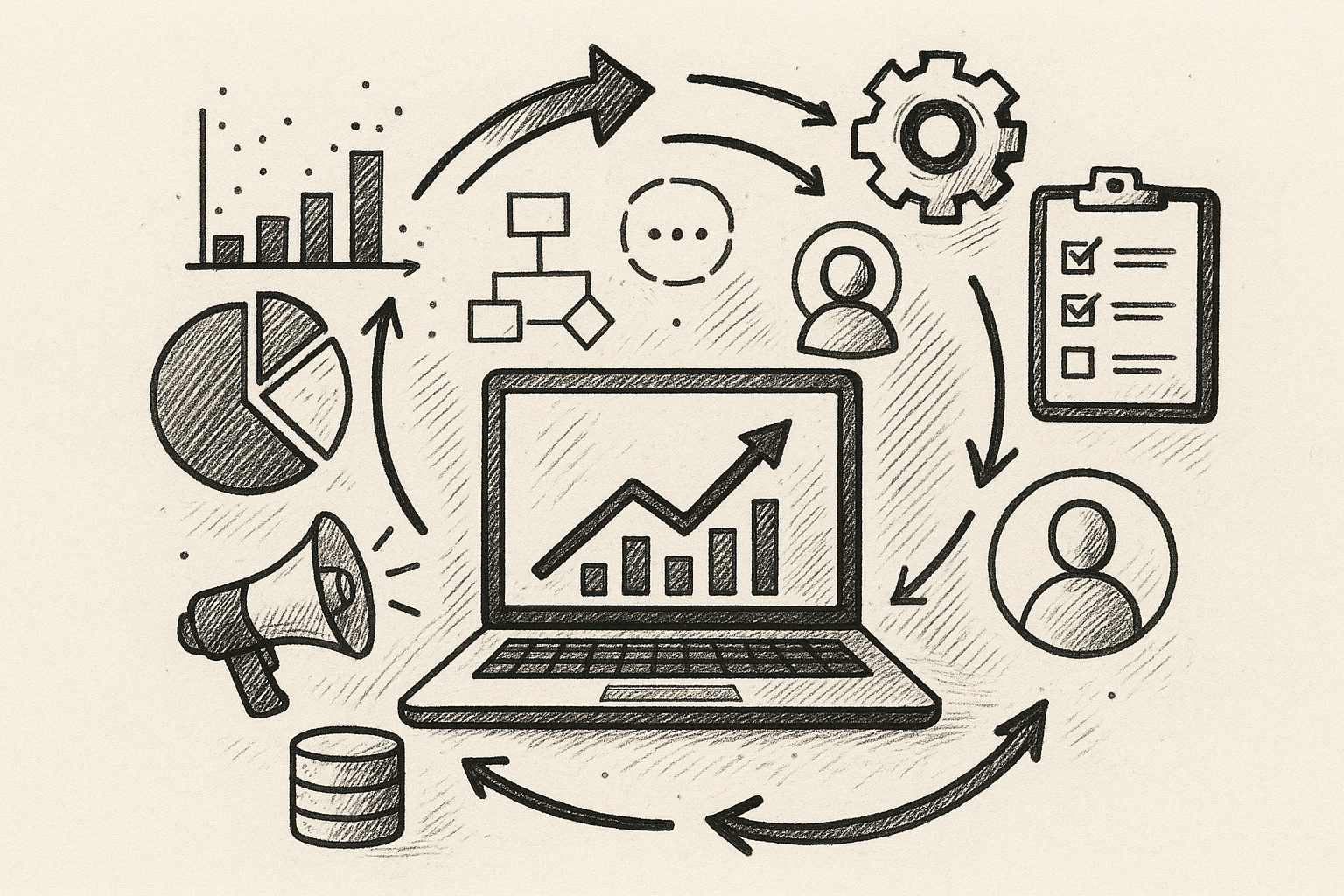
Discover how to elevate your B2B marketing by integrating data-driven automation. This article explores strategies for leveraging analytics to enhance customer engagement and drive sales, ensuring your marketing efforts are both efficient and effective.
📑 Table of Contents
- Understanding the Role of Data in B2BMarketingAutomation
- Collecting Quality Data
- Analyzing Data for Insights
- Integrating Marketing Automation Tools
- CRM Integration
- Customization and Scalability
- Segmenting and Personalizing Marketing Campaigns
- Behavioral Segmentation
- Dynamic Content Personalization
- Leveraging Predictive Analytics
- Scoring Leads with Predictive Analytics
- Enhancing Customer Lifecycle Management
- Measuring and Optimizing Campaigns
- Key Performance Indicators (KPIs)
- A/B Testing
- Ensuring Data Privacy and Security
- Compliance with Regulations
- Building Customer Trust
- Practical Takeaway
Understanding the Role of Data in B2B Marketing Automation
Marketing automation has revolutionized how businesses approach B2B interactions, leveraging data to streamline operations, enhance customer experiences, and optimize marketing efforts. At its core, a data-driven approach in B2B marketing automation involves collecting, analyzing, and utilizing data to make informed decisions that drive marketing strategies and improve ROI.
Collecting Quality Data
The foundation of any effective marketing automation strategy is high-quality data. This includes demographic information, behavioral data, interaction histories, and more. Ensuring the accuracy and relevance of data is critical, as it directly impacts the insights you can derive and the decisions you make.
Analyzing Data for Insights
Once data is collected, the next step is analysis. This involves using statistical tools and analytics platforms to uncover patterns and trends. These insights can help identify the most effective marketing channels, understand customer behavior, and predict future trends in your industry.
Integrating Marketing Automation Tools
Choosing the right marketing automation tools is pivotal. These tools should not only integrate seamlessly with your existing systems (such as CRM and CMS) but also support your data analysis needs.
CRM Integration
Integrating your Customer Relationship Management (CRM) system with marketing automation tools ensures that all customer interactions are tracked and analyzed. This integration provides a comprehensive view of the customer journey, enhancing lead nurturing and conversion processes.
Customization and Scalability
The chosen marketing automation platform should offer customization options that align with your specific business needs and be scalable to accommodate future growth. Customization can include everything from workflow design to data reporting, ensuring the platform serves your specific objectives.
Segmenting and Personalizing Marketing Campaigns
Data-driven segmentation involves dividing your customer base into distinct groups based on shared characteristics or behaviors. This allows for more targeted and personalized marketing efforts, which are often more effective than broad-spectrum campaigns.
Behavioral Segmentation
This type of segmentation focuses on actions that users take, such as pages visited, products viewed, or content downloaded. Using this data to tailor your communications can significantly increase engagement and conversion rates.
Dynamic Content Personalization
Dynamic content adapts in real-time based on the data about a user. For instance, emails can feature products that a user has shown interest in or offer promotions based on previous purchases. This level of personalization enhances the user experience and can lead to higher conversion rates.
Leveraging Predictive Analytics
Predictive analytics uses historical data to forecast future behavior, trends, or outcomes. This can be particularly powerful in marketing automation, where predicting customer behaviors can lead to more effective marketing strategies.
Scoring Leads with Predictive Analytics
Lead scoring models predict how likely a lead is to convert into a customer. This can help prioritize leads, allowing marketers to allocate resources more effectively and increase the chances of conversion.
Enhancing Customer Lifecycle Management
Predictive analytics can also help in managing the customer lifecycle by predicting when customers might need additional support or when they are likely to make another purchase. This proactive approach can improve customer satisfaction and retention.
Measuring and Optimizing Campaigns
To truly understand the effectiveness of your marketing automation efforts, robust measurement and optimization strategies are essential. This involves not only tracking key performance indicators (KPIs) but also continuously refining strategies based on data.
Key Performance Indicators (KPIs)
Important KPIs in marketing automation include conversion rates, click-through rates, bounce rates, and ROI. Regularly monitoring these can provide insights into what’s working and what’s not, allowing for quick adjustments.
A/B Testing
A/B testing involves comparing two versions of a campaign to see which performs better. This is an effective way to optimize marketing automation efforts, as it relies on direct feedback from your target audience.
Ensuring Data Privacy and Security
With the increasing reliance on data, ensuring the privacy and security of this data is paramount. Adhering to relevant regulations and best practices not only protects your company but also builds trust with your customers.
Compliance with Regulations
Stay informed about and compliant with data protection regulations such as GDPR or CCPA. This includes obtaining proper consent for data collection and ensuring that data is handled securely.
Building Customer Trust
Transparent communication about how customer data is used can help in building trust. Make sure to communicate your data protection policies clearly and uphold them.
Practical Takeaway
Implementing a data-driven approach to B2B marketing automation is a dynamic and continuous process. Start by laying a foundation of quality data collection and integration of robust automation tools. Segment and personalize your marketing efforts for better engagement and leverage predictive analytics to anticipate customer needs. Continuously measure and optimize your campaigns, ensuring you adhere to data privacy laws. By focusing on these areas, you can create a powerful, efficient marketing automation strategy that delivers results consistently.
Frequently Asked Questions
What are the key benefits of implementing a data-driven approach to B2B marketing automation?
Adopting a data-driven approach in B2B marketing automation offers several benefits including enhanced targeting and personalization, improved customer segmentation, increased operational efficiency, and better ROI measurement. By leveraging data, businesses can tailor their marketing efforts to meet the specific needs and behaviors of their target audience, ensuring more effective and efficient campaigns.
How can businesses ensure the accuracy of their data in marketing automation systems?
Ensuring data accuracy in marketing automation involves regularly cleaning and updating the database, implementing strict data entry standards, and using advanced data validation tools. Additionally, businesses should conduct periodic audits to identify and correct discrepancies. Accurate data is crucial for effective decision-making and personalized marketing strategies.
What strategies should companies use to integrate customer feedback into their marketing automation systems?
To integrate customer feedback effectively, companies should establish systematic processes for collecting, analyzing, and acting on feedback across all customer touchpoints. This can include the use of surveys, customer interviews, and feedback forms. Integrating this feedback into marketing automation systems helps businesses adapt their strategies in real-time, ensuring they remain aligned with customer expectations and needs.
Sources and References
- The Dawn of Marketing Automation - This McKinsey report explores the transformative role of data in enhancing B2B marketing strategies through automation. It provides empirical evidence supporting the effectiveness of data-driven approaches and discusses integration techniques with CRM systems, directly aligning with the article's sections on CRM integration and data analysis.
- How Marketers Can Move from Data-Reactive to Data-Driven - This Harvard Business Review article offers insights into the transition from reactive to proactive use of data in marketing. It supports the article's discussion on the importance of analyzing data for actionable insights and the strategic implementation of marketing automation tools in B2B contexts.
- Machine Learning in B2B Marketing Automation - A comprehensive study from Google Research that delves into the application of AI and machine learning in marketing automation. This source is particularly relevant to the article's exploration of AI's role in analyzing data and enhancing customer interactions within B2B marketing automation frameworks.
- The Future of B2B Marketing Automation - Forrester's report discusses future trends in marketing automation, emphasizing the critical role of integrating advanced data analytics to drive decision-making. This supports the article's focus on the necessity of integrating sophisticated tools to leverage customer data effectively.
- Using Data to Drive Decisions in B2B Content Strategy - Content Marketing Institute provides a detailed guide on how B2B marketers can use data to inform and refine their marketing strategies. This source corroborates the article's discussion on collecting and analyzing quality data to tailor marketing efforts to customer needs.
- State of Marketing Report - Salesforce's annual report offers data and insights from global marketing leaders, highlighting the increasing integration of AI and automation tools in marketing strategies. This report provides real-world examples and statistics that reinforce the article's points on the practical application and benefits of marketing automation in B2B settings.